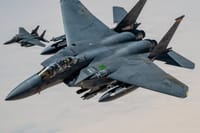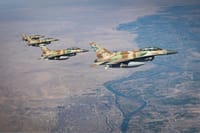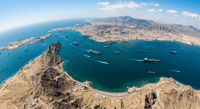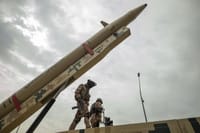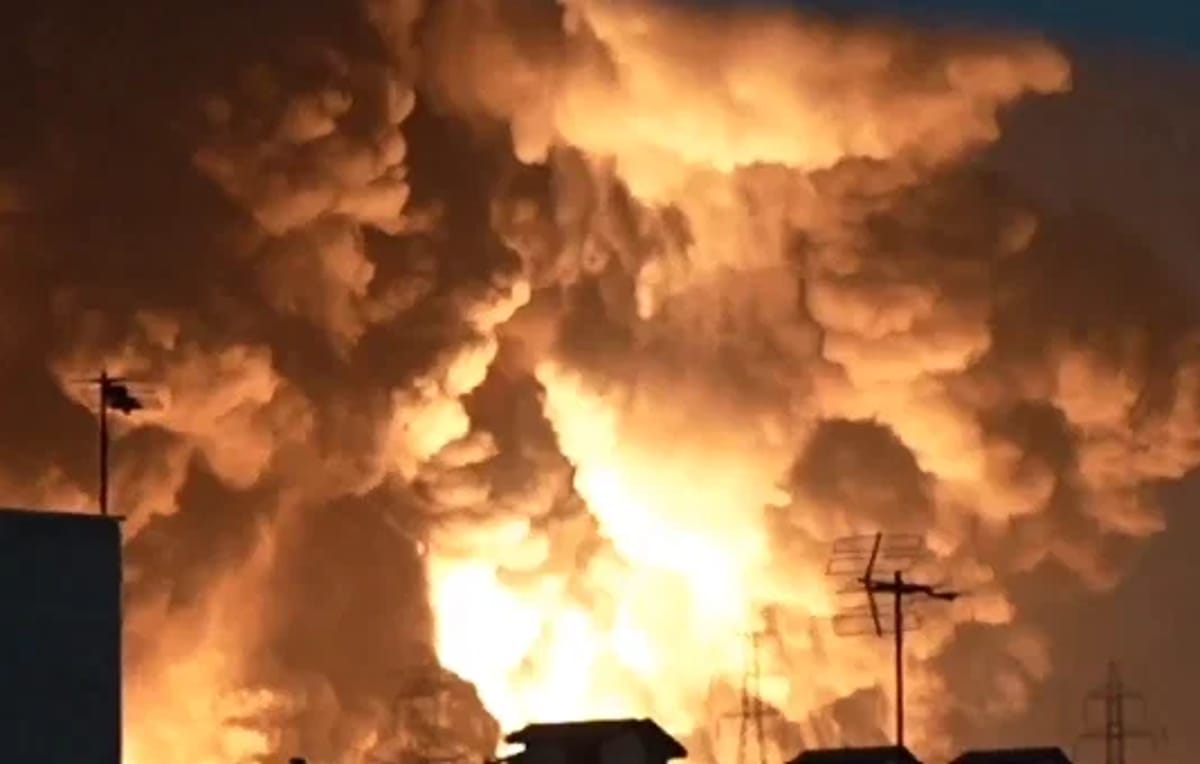
The Iranian regime has issued direct orders to its Houthi proxies to blockade the highly strategic Bab al Mandab strait if the United States military targets any domestic Iranian energy infrastructure. This drastic directive marks a massive escalation in the ongoing war between Washington and Tehran, threatening to completely paralyze global economic trade.
Tehran is leveraging its geopolitical control over critical maritime transit routes through which a significant portion of the worlds energy and global commodities flow daily. Having already enforced a naval blockade on the Strait of Hormuz, the Islamic Revolutionary Guard Corps is now weaponizing the Bab al Mandab strait to force a total halt to American aerial bombardments. The leadership explicitly vowed to stop exporting any oil or gas through the region as long as the United States military campaign continues.
This maritime maneuvering is exacerbating a deep political fracture inside the Iranian leadership structure. Internal intelligence indicates a growing divide between pragmatic politicians who fear a total domestic economic collapse and radical military generals demanding aggressive, unyielding control over global shipping lanes. To prepare for an expanded war, Revolutionary Guard commanders have traveled to Yemen, where Houthi units have deployed missiles and drone squads in mountainous regions overlooking the Gulf of Aden and the critical port city of Hudaydah.
The sudden escalation is also driven by a renewal of active warfare between the Houthis and Saudi Arabia following recent heavy Saudi airstrikes. The Houthi leadership has warned that it will launch direct missile attacks against all vital energy networks and essential infrastructure inside Saudi Arabia if the kingdom participates further in the campaign. Iranian strategists view global economic disruption as the primary vulnerability of United States President Donald Trump, who wants to prevent a massive spike in global resource prices.
The real world consequences of this maritime war materialized rapidly when an international shipping vessel was successfully boarded and seized by armed forces. The United Kingdom Maritime Trade Operations reported that a commercial chemical tanker named ASANA was hijacked while transiting the Gulf of Aden, approximately 120 kilometers south of the port of Al Mukalla in eastern Yemen. Armed attackers boarded the vessel while it was traveling toward its destination in Somalia, though official agencies have not yet confirmed if Houthi units carried out the operation directly.
The expanding war has simultaneously triggered a major energy and utility crisis across multiple Gulf nations due to direct infrastructure damage. Following the relentless American precision strikes, the Iranian energy ministry pleaded with citizens in southern provinces to drastically conserve electricity while a severe heatwave cripples the region.
The spillover of the war hit neighboring territories when the Kuwaiti Ministry of Electricity, Water, and Renewable Energy announced an emergency infrastructure failure. "As a result of Iranian aggression, one of the country's power and water desalination plants was hit, a fire broke out in it and damage was caused to a large number of electricity generation units, which required the activation of emergency plans and immediate handling of the incident to reduce its effects and maintain the stability of the electrical system," the official agency stated.