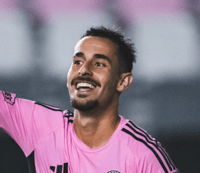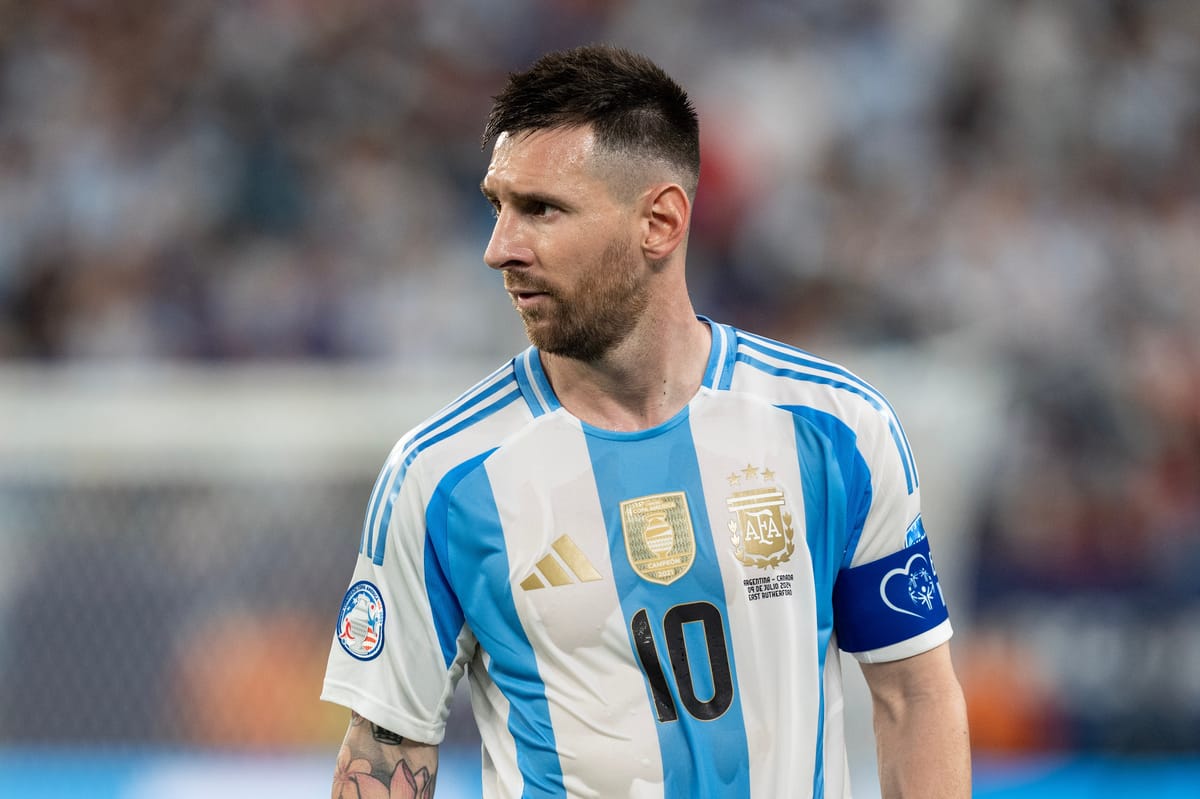
As Lionel Messi chases a final World Cup title against Lamine Yamal's Spain, Israeli fans have far more at stake than football, given the sharply divergent paths Madrid and Buenos Aires have taken toward the Jewish state
When Argentina and Spain meet at MetLife Stadium on Sunday for the 2026 World Cup final, most of the world will be watching a generational showdown between Lionel Messi, playing in what may be his last World Cup, and eighteen year old Spanish sensation Lamine Yamal. In Israel, though, the rooting interest runs deeper than football. It runs straight through two years of sharply diverging diplomacy.
Spain, under Prime Minister Pedro Sanchez, has positioned itself as one of Israel's most vocal critics in Europe. Madrid formally recognized a Palestinian state in 2024, prompting Israel to recall its ambassador. Israel's ambassadorial post in Madrid has sat vacant ever since, with a charge d'affaires overseeing the embassy instead.
The relationship deteriorated further this year. In March, Spain withdrew its own ambassador from Tel Aviv in protest of the war in Gaza and the joint U.S.-Israel operation against Iran, with Sanchez calling the strikes on Iran "unjustifiable." The following month, Foreign Minister Gideon Saar barred Spanish representatives from a multinational center coordinating the Gaza ceasefire in Kiryat Gat, accusing Sanchez's government of waging what Prime Minister Benjamin Netanyahu called a "diplomatic war" against Israel. Netanyahu went further, accusing Spain of defaming "the soldiers of the most moral army in the world."
Spain's parliament also enshrined a total arms embargo on Israel into law last October, banning the sale of weapons, dual-use technology, and military equipment. Sanchez has separately pushed for the European Union to suspend its association agreement with Israel, and has spoken out against Israeli military operations in Lebanon as well as Gaza.
Argentina, by contrast, has moved in the opposite direction entirely under President Javier Milei. Since taking office in December 2023, Milei has cultivated what Israeli officials describe as one of the closest relationships between Jerusalem and any government in Latin America. He has made emotional visits to the Western Wall, designated Iran's Islamic Revolutionary Guard Corps Quds Force a terrorist organization, and confirmed plans to relocate Argentina's embassy in Israel from Tel Aviv to Jerusalem. Milei has also spoken openly about his personal fascination with Judaism, including regular pilgrimages to the Queens, New York gravesite of the Lubavitcher Rebbe, Rabbi Menachem Mendel Schneerson, and has even floated the idea of converting.
Argentina is also home to the sixth largest Jewish community in the world, and Milei has built a close working relationship with DAIA, the umbrella organization representing Argentine Jewry, framing his support for Israel and the local Jewish community as part of a single, unified worldview centered on fighting antisemitism.
Messi himself carries some of that goodwill personally. The Argentine captain has visited Israel in the past, and Jerusalem Post commentary earlier in this tournament pushed back directly on online claims, largely originating from critics in Egypt and Algeria, suggesting that supporting Messi's Argentina was somehow inconsistent with pro-Palestinian sympathies. That framing has resurfaced repeatedly throughout the tournament as Messi's Argentina advanced.
It is worth noting the picture inside Argentina itself is more complicated than Milei's rhetoric suggests. Polling has shown a majority of Argentinians hold unfavorable views of Israel, and Diego Maradona, Argentina's other footballing icon, was an outspoken supporter of the Palestinian cause during his lifetime. Messi has not made comparable political statements himself. But at the level of government policy, and for many Israelis watching Sunday's final, the contrast between a Spanish government that has recalled its ambassador and armed an embargo against Israel, and an Argentine government actively courting Jerusalem as a strategic ally, gives this final a rooting interest well beyond the scoreline.
Kickoff is Sunday, July 19, at 3 p.m. ET, 10 p.m. Israel time, at MetLife Stadium in East Rutherford, New Jersey.