American forces have initiated a new wave of heavy aerial bombardments inside Iran, marking the 5th consecutive night of active military operations. The strikes represent a major expansion of the ongoing campaign to degrade the defensive capabilities of the Iranian regime.
United States Central Command announced that the latest operations commenced at exactly 14:00 Eastern Time, targeting coastal facilities and weapons storage depots. The White House stated that the military action was directly triggered because Iran violated the signed Memorandum of Understanding. Specifically, the administration noted that the regime broke its formal pledge when forces fired upon commercial vessels moving through the Strait of Hormuz.
The administration emphasized its absolute military superiority, declaring that they can hit the region anywhere, anytime, and at any place. Although Iranian leaders have recently expressed a desire to negotiate a new diplomatic deal, the American president remains determined to enforce consequences for maritime aggression. Iranian state media quickly reported 3 powerful explosions in the southern port city of Bandar Abbas, where local sources documented a hit on a strategic transport bridge.
Iranian military spokesperson Abolfazl Shekarchi issued a severe warning to Washington and its regional allies. "If the United States attacks our infrastructure, all infrastructure in the region will become targets," the military spokesperson stated. He further threatened the global energy market, declaring that "oil export will be for everyone or it will be for no one".
Shekarchi declared that "the situation in the Strait of Hormuz will never return to what it was before the war". He warned that "if another war breaks out, our response will be harsher, broader, and stronger than our responses during the last war". Despite the highly aggressive rhetoric, intelligence sources in Israel believe the regime will avoid targeting Hebrew territory directly unless the western forces escalate their operations further.
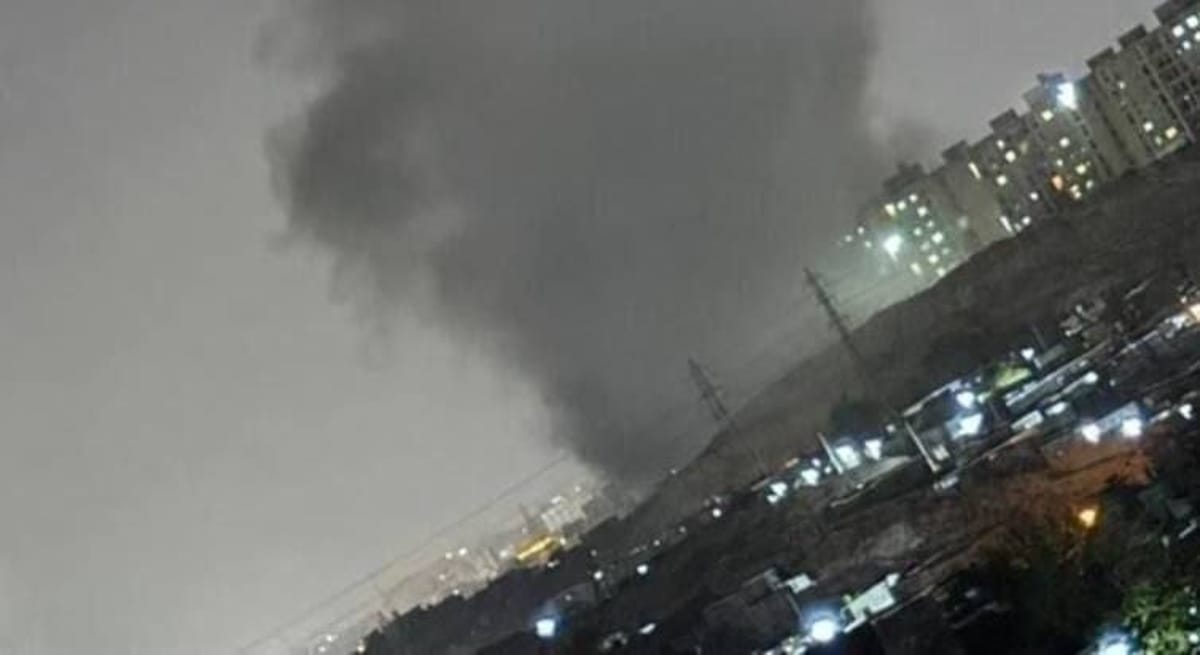
The military operations on Qeshm Island were particularly heavy, with local sources reporting at least 8 distinct strikes hitting Messen village. Additional bombardments targeted coastal defense batteries and cruise missile launchers on Greater Tunb Island during an intense 90 minute operation. Heavy plumes of smoke were also observed rising over Iranshahr airport in the southern province of Sistan and Baluchestan following targeted airstrikes.
Air defense systems were activated directly over the capital city of Tehran to counter hostile threats, following previous explosions in Khondab. The extensive campaign has heavily damaged coastal radar networks, command centers, and drone storage depots across several provinces.