A highly sensitive, secret document leaked from the office of the Iranian presidency has revealed a staggering level of domestic crisis within the Islamic Republic. The internal report exposes a society on the verge of total collapse, with more than 90 percent of Iranian citizens actively demanding fundamental change or the complete replacement of the current regime. This highly classified study stands in stark opposition to the official unity narratives broadcast by state media outlets.
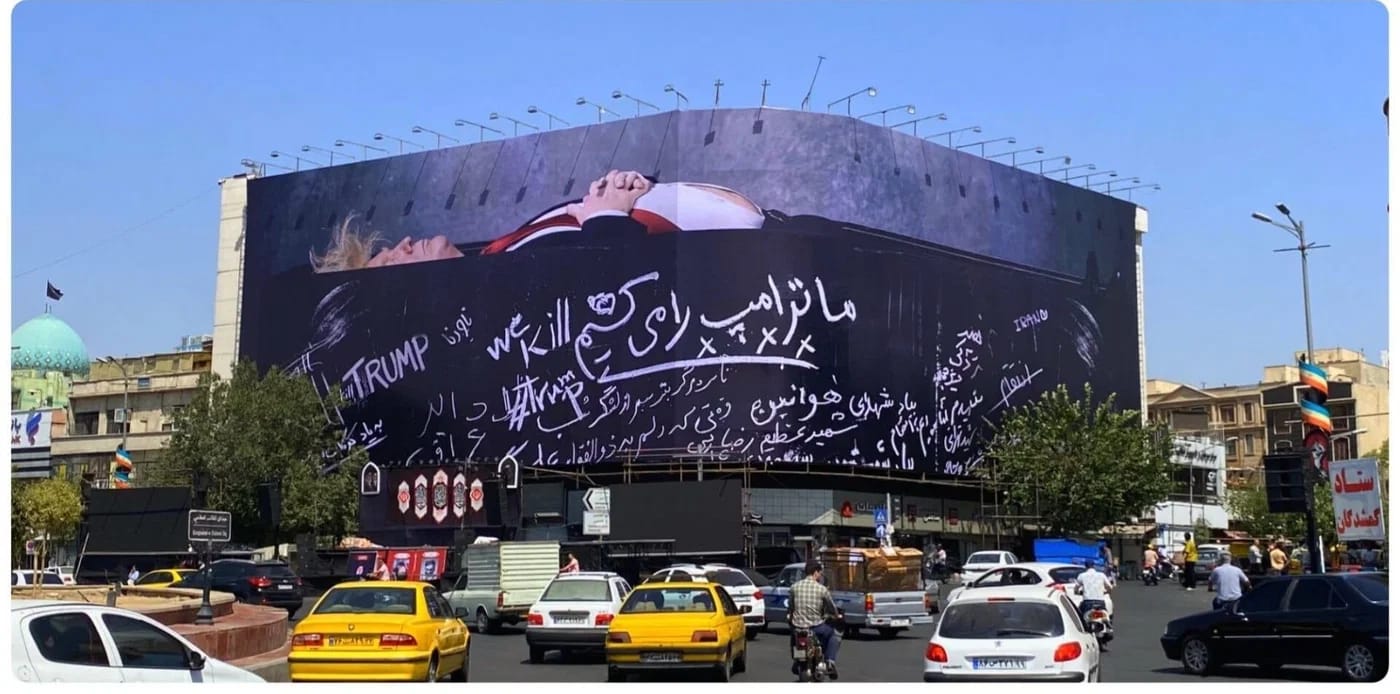
The confidential report, titled "what Iran wants," was compiled by Ali Rabiei, a former senior Ministry of Intelligence official who now serves as the social affairs advisor to President Masoud Pezeshkian. The findings are based on a comprehensive survey conducted by the ARA Research Center during April and May. The survey was distributed to top intelligence and military leaders in June, following a highly turbulent period marked by mass protests, security crackdowns, and a direct war with the United States that claimed the life of Supreme Leader Ali Khamenei.
According to the leaked data, public anger in Iran has reached 63.6 percent, representing a 12 percent surge since December. This rate completely shatters any previous domestic records and far surpasses the highest national anger level ever recorded globally by the Gallup World Poll, which was 47 percent in Chad. The internal document openly admits that these figures place Iran at the absolute peak of global anger and mourning, far exceeding war-ravaged nations such as Iraq and Afghanistan.
The document also highlights a profound mental health crisis, with half of the country reporting a total loss of hope. Nearly 48 percent of the population experiences clinical depression, and 45 percent struggles with chronic anxiety. These figures are exceptionally high among the younger, educated demographics who are crucial to reviving the nation's struggling economy.
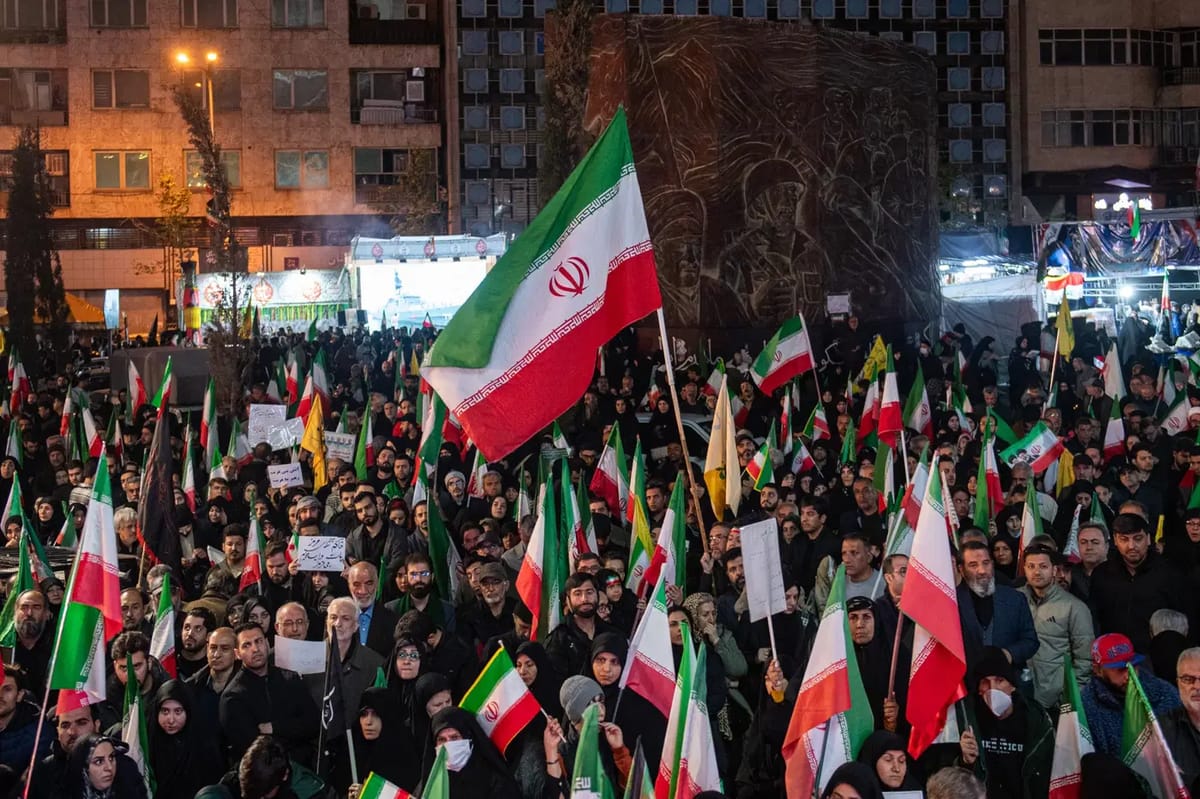
Furthermore, the data completely dismantles the regime's claims of widespread public support during its ongoing war with Washington. The survey reveals that 47 percent of citizens nationwide, and 61 percent in the capital city of Tehran, did not participate even once in the government-organized nightly solidarity rallies. Additionally, a national military mobilization campaign failed entirely because citizens feared social backlash and condemnation from their neighbors if they were seen cooperating with state institutions.
The study also tracks a rapid decline in religious adherence, which has been the cornerstone of the Islamic Republic since 1979. While 85 percent of respondents express immense national pride and prefer to identify as Iranian rather than Muslim, traditional Shiite religious practices are collapsing. In 1975, four years before the revolution, 79 percent of Iranians fasted during Ramadan, but that figure dropped to 42 percent last year and has now plummeted to an all-time low of 30 percent.
Faced with economic ruin and political oppression, one third of all Iranian citizens want to leave the country permanently. This desire to emigrate rises to approximately 50 percent among adults under the age of 30 and university graduates. The report indicates that these citizens have not lost their love for Iran, but they have completely lost faith in its future under the current clerical leadership.
Rather than proposing democratic reforms or economic relief, Rabiei advises the government to employ manipulative public relations to blame international sanctions for domestic failures. Crucially, the advisor warns that the regime must only focus on managing public anger rather than trying to solve deeply rooted problems. He explicitly urges security forces to "avoid policies that create direct confrontation with society on the streets," which explains the recent drop in the aggressive enforcement of mandatory hijab laws.
Sociologists analyzing the leak point out that Rabiei uses the academic term "presentism" to describe a society trapped in the present with no hope for the future. Iranian researchers famously used this exact term in 1975 to describe the public mindset under the Shah. That psychological state of despair ultimately triggered the massive 1979 revolution that changed the Middle East forever.