A fierce political rift has erupted inside the Iranian political establishment as hardline factions openly reject the regime's diplomatic channels with Washington. Kayhan newspaper, widely recognized as the official mouthpiece of the Supreme Leader, published a fiery editorial demanding an immediate termination of all diplomatic agreements. The radical faction is pushing for a total transition toward wartime mobilization, directly contradicting the more cautious approach currently projected by mainstream government officials.
The hardline publication framed the current memorandum of understanding as entirely obsolete due to hostile actions by the West. The prominent editorial, published under the banner headline, "The authorities must officially declare the exit from the agreement," urged immediate state action. The authors insisted that Washington has systematically violated the terms, turning the diplomatic framework into a dead document.
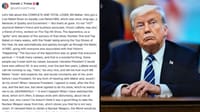
The state media organ urged the military apparatus to prepare for direct, asymmetric encounters with American forces and their regional partners. The editorial stated, "It is time to abandon the improper path," while advocating for a far more aggressive posture. The hardline writers added, "The next step is adopting a determined military display, a direct response by the president to Trump's pointless talk, and integrating infrastructure into the target bank of missiles and drones."
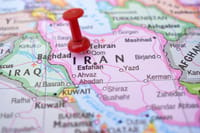
Radical political analysts emphasized that the strategic balance of power hinges entirely on the regime's ability to disrupt international shipping lanes. The hardline media noted that while the agreement itself is effectively finished, the Strait of Hormuz remains the ultimate winning card for the Islamic Republic. The editorial further insisted, "The national will of Iran will determine the future of the Strait of Hormuz, not the bluster of the White House."
This severe external rhetoric coincided with a dramatic political purge inside the Iranian parliament. The conservative newspaper Nobonyad reported that the regime has initiated a pincer attack against internal critics of the diplomatic process. Two high ranking national security officials who consistently opposed the ceasefire and the memorandum of understanding were abruptly stripped of their leadership positions.
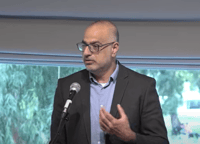
Seyed Mahmoud Nabavian, who served as the deputy chairman of the National Security Committee, and Ebrahim Rezaei, the committee spokesman, were both voted out of their posts. Hardline politicians blasted the sudden ouster, labeling the administrative maneuver as a dictatorship of the agreement. The political removal successfully marginalized prominent critics, replacing them with figures closely aligned with Foreign Minister Abbas Araghchi and Parliament Speaker Mohammad Bagher Ghalibaf.