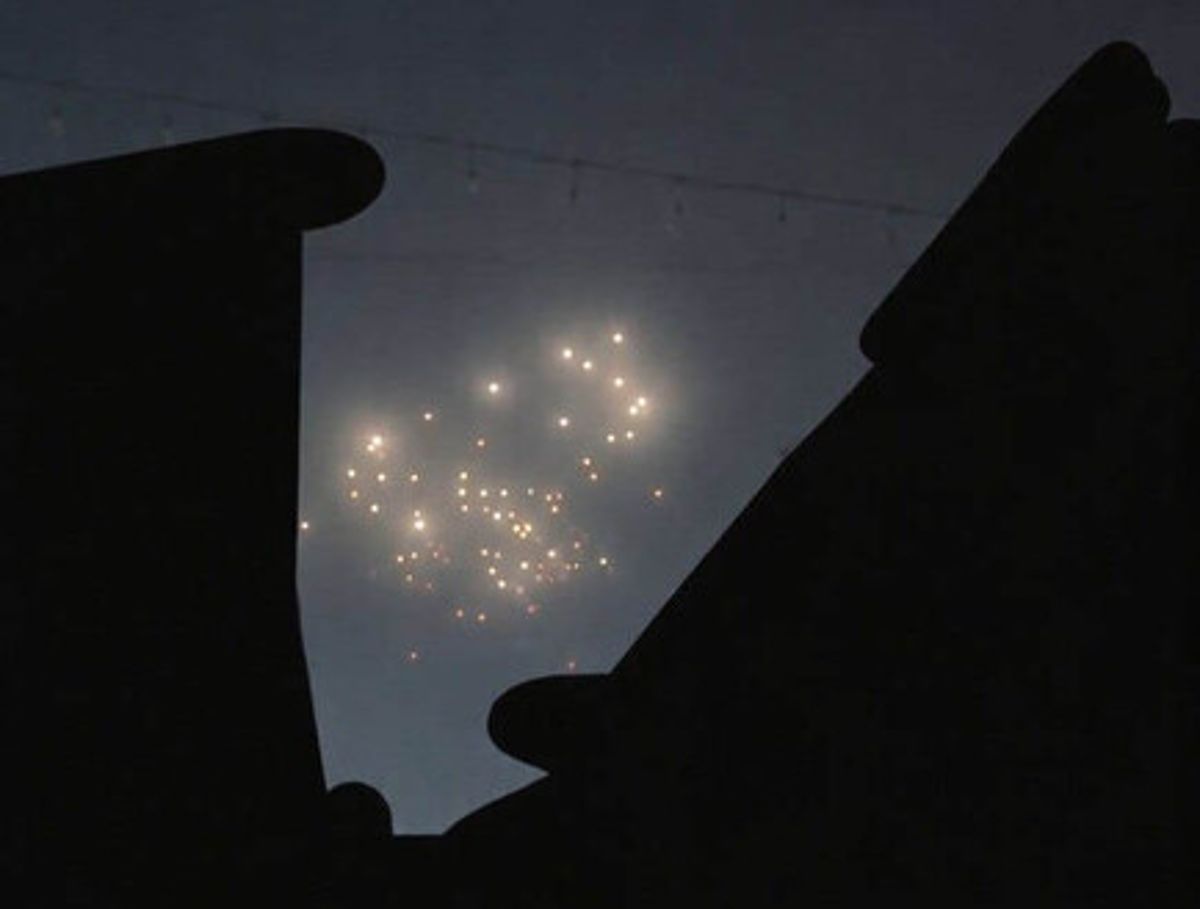
A major military escalation has erupted across the Persian Gulf as the United States military officially initiated a comprehensive naval blockade against Iran. The massive operation involves more than 20 naval warships and hundreds of combat aircraft deployed throughout the region. Strategic defense systems have been activated across multiple sectors as American forces target critical infrastructure to cripple coastal operations.
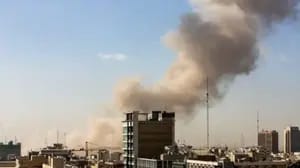
The military campaign expanded dramatically with targeted strikes hitting major Iranian maritime hubs. Massive explosions were reported in the strategic port city of Chabahar and the industrial center of Ahvaz, while additional hits damaged military facilities on Qeshm Island. The synchronized bombardment represents a direct effort by Washington to neutralize coastal installations capable of disrupting international shipping lanes.
The physical threat has reached some of Iran's most sensitive security installations. Emergency air defense batteries were suddenly activated around the Bushehr nuclear power plant following localized threat detections. At the same time, regional authorities confirmed that a powerful explosion rattled Hengam Island, located just south of the Iranian mainland.
The aerial campaign has already caused severe disruptions to civilian and industrial infrastructure in the area. The Water and Power Engineering Company of Kish Island reported that American strikes near the local power station caused severe damage to critical technical systems. Island administrators have warned residents to prepare for immediate, planned rolling blackouts while engineers attempt to stabilize the ruined utility grids.
The physical battle in the Gulf has coincided with intense diplomatic and economic shifts from the White House. President Donald Trump announced that he has withdrew his proposal to levy a twenty percent transit fee on vessels navigating the Strait of Hormuz. The administration has instead secured massive investment commitments from Gulf nations to boost the American economy.
The president highlighted the long-term domestic benefits of these alternative trade arrangements. He stated, "Following very fruitful conversations with Middle East leaders, I have decided to replace the twenty percent reimbursement fee that the United States requested with trade and investment deals that the various Gulf states will make in the United States." He further added that the incoming investments will be historic, promising that, "We will see factories, manufacturing facilities, and equipment pouring into the United States in historic volumes. This will create millions of new high-paying American jobs."