I can still hear it clear as day: "Hashem is here, Hashem is there, Hashem is truly everywhere! Up, Up Down, down, Right left and all round. Here there and everywhere, that's where He can be found."
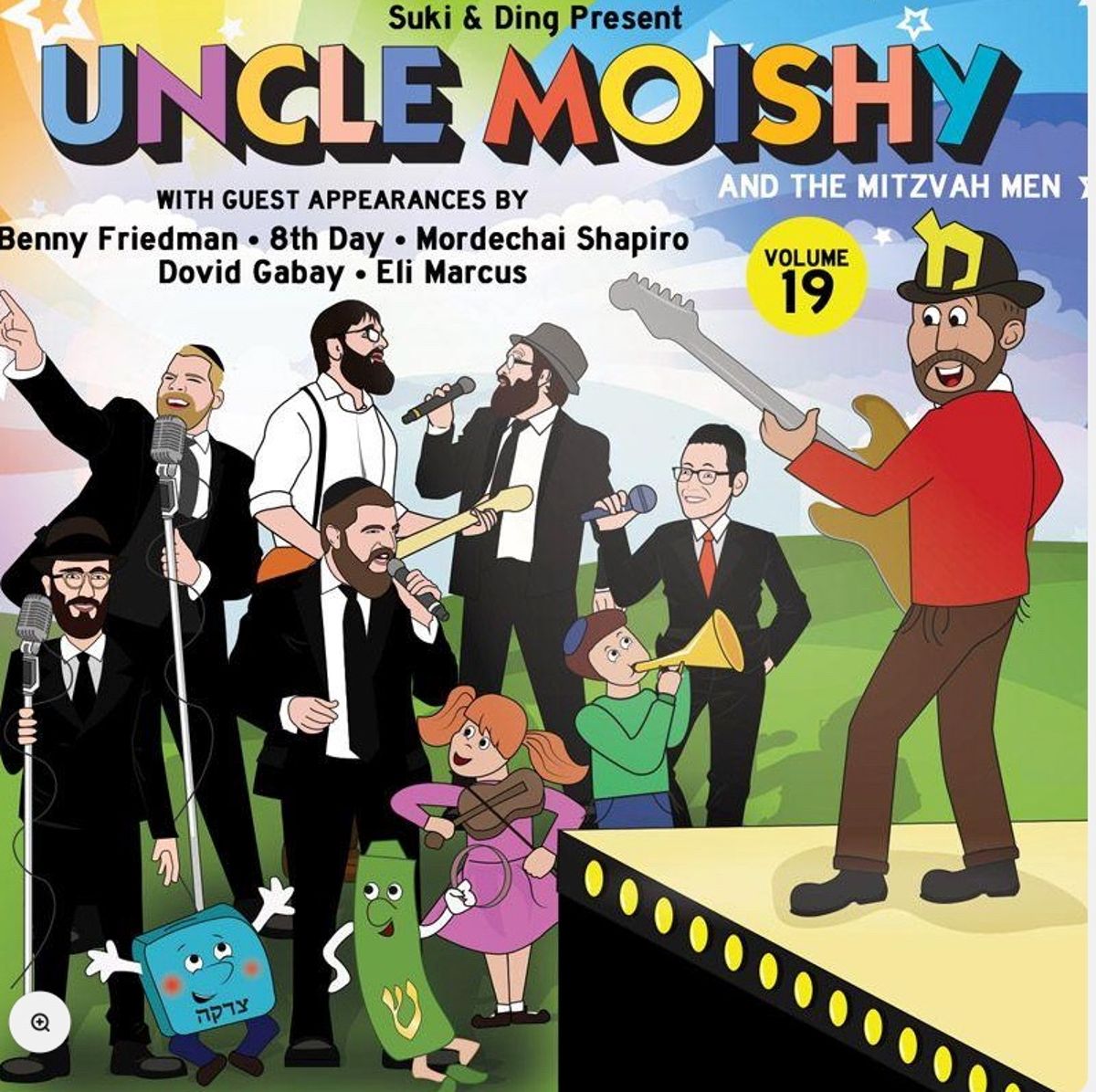
Uncle Moishy's familiar voice bouncing off the walls of our family minivan, teaching profound Jewish concepts through catchy melodies that somehow never left my brain.
Thirty plus years later, these tunes still pop into my head at unexpected moments, carrying with them not just nostalgia, but deep Jewish values that were essentially coded into my DNA through the power of music.
Today's parents might be tempted to dismiss shows like Uncle Moishy or The Marvelous Middos Machine as simply "Jewish entertainment" – a kosher alternative to secular children's music. But that would be missing the profound impact these programs have on developing Jewish neshamot (souls).
Think about it: when we teach children their ABCs, we don't start with Shakespeare. We begin with simple songs, repetitive rhythms, and basic concepts that lay the foundation for future learning.
The same principle applies to passing on Jewish values. Uncle Moishy's songs about sharing toys, saying brachot (blessings), and honoring parents aren't just cute ditties – they're laying the groundwork for understanding complex Jewish principles like chesed (kindness), hakarat hatov (gratitude), and kibud av v'em (honoring one's parents).
The Marvelous Middos Machine took this approach even further, wrapping essential character traits in adventure stories and memorable tunes. Who can forget the "Patience" song or the episodes about controlling anger? These weren't just entertainment – they were teaching emotional regulation and Jewish ethics in a language children could understand and internalize.
What makes these programs so effective is their understanding of how young minds work.
Children learn through:
- Repetition (those catchy choruses we all remember)
- Story-telling (adventures that make values concrete)
- Musical memory (melodies that stick with us for life)
- Positive association (making mitzvot fun and exciting)
- Role modeling (characters who demonstrate good middos)
The genius of Uncle Moishy and similar programs lies in their ability to take abstract concepts like "V'ahavta l'reacha kamocha" (love your neighbor as yourself) and translate them into concrete actions that preschoolers can understand: sharing your sandbox toys, helping a friend who fell, saying "I'm sorry" when you make a mistake.