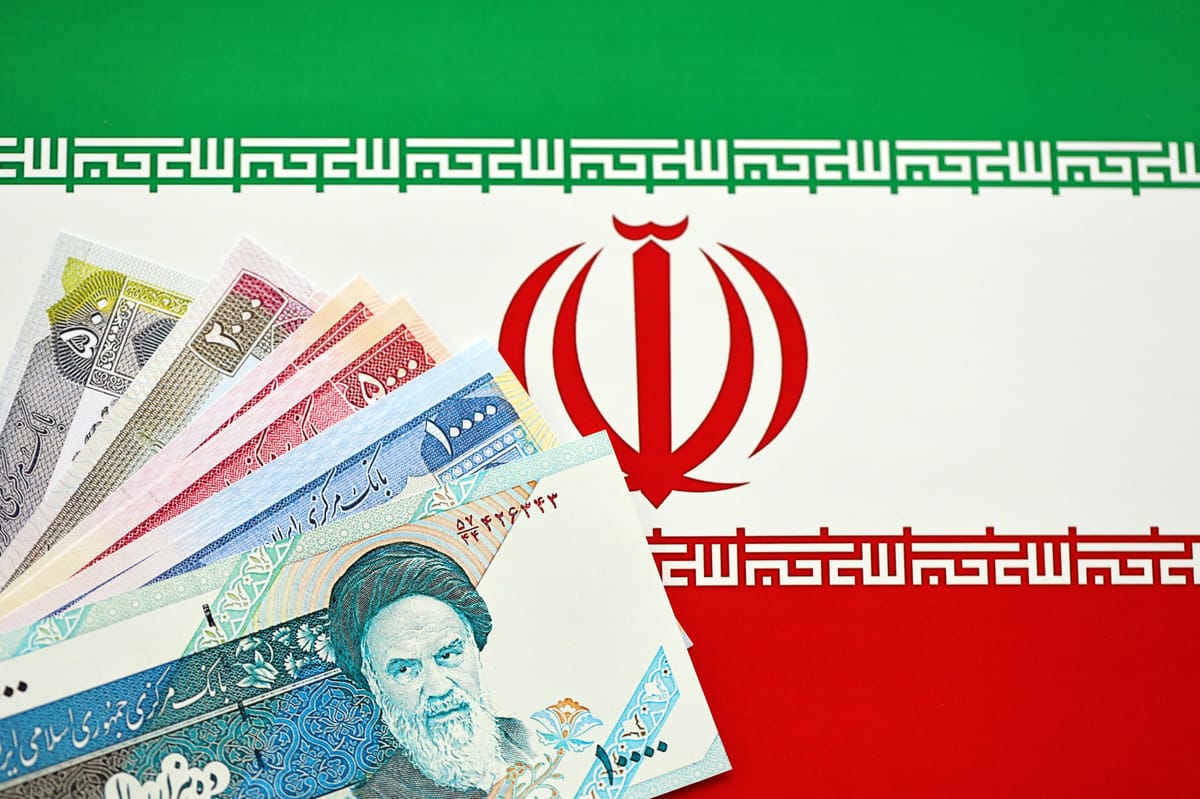
Iranian opposition sources have documented sharply accelerating price increases for basic consumer goods, with cooking oil prices surging approximately 415 percent over a one-year period and essential proteins more than doubling, according to comparative data from July 2025 and current prices.
The documented price increases reveal the accelerating economic pressure facing Iranian households amid currency depreciation, import restrictions, and military conflict. According to the opposition sources, the following categories recorded the following year-over-year increases comparing July last year with current prices:
Solid cooking oil prices have risen approximately 415 percent. Liquid cooking oil has increased approximately 350 percent. Chicken and meat prices have climbed approximately 200 percent. Milk prices have increased approximately 150 percent. Yogurt and cheese products have risen approximately 136 percent. Fruit prices have increased approximately 110 percent.
These figures align closely with official data released by Iran's Statistical Center for July 2026, which reported point-to-point inflation of 87.9 percent overall—measuring price changes compared to the same month one year prior. The Statistical Center noted that among 53 major food categories reviewed, 41 recorded price increases exceeding the overall national inflation rate of 85.2 percent, with cooking oil, eggs, poultry, and dairy products recording what Iranian analysts described as "record-breaking price surges."
According to the Middle East Forum's analysis of official Iranian government data from June 2026, cooking oil prices had reached 431 percent above year-earlier levels, while egg prices had climbed 343 percent and poultry prices had risen 287 percent. Different categories of meat recorded increases ranging from 113 percent to 278 percent depending on cut and type.
The price spiral reflects cascading economic pressures that have accumulated across multiple years but have intensified sharply since February 2026, when the United States and Israel launched coordinated military strikes against Iranian targets. The conflict disrupted port operations, currency markets, and supply chains crucial for importing food staples.
According to the World Food Program, wheat flour prices alone had risen 124 percent between November 2025 and May 2026, prior to the military escalation. The rial's severe depreciation that triggered nationwide protests in late 2025 eliminated much of the government's ability to subsidize imports at official exchange rates.
The International Monetary Fund projects that Iran's inflation rate will reach 68.9 percent in 2026—the highest figure recorded since the 1979 Iranian Revolution. The statistical disparities across provinces reveal uneven impact, with point-to-point inflation reaching 112.4 percent in Ilam Province while standing at 73.9 percent in Tehran Province, according to Iran's own government data released this month.
The government attempted to respond to the crisis through what officials termed a "resistance economy committee" charged with cracking down on price gouging and addressing shortages. Despite these efforts, Iran Focus reported that hyperinflation and scarcity have persisted, with Iranians queuing in long lines for government-subsidized bread and cutting back on meat and dairy consumption.
According to reporting from state-run Iranian media outlets citing statistical data, economic pressure on lower and middle-income groups has reached what analysts described as a "critical breaking point." One government-affiliated website noted that the cost of the household livelihood basket increased nearly 25 percent during just the first four months of the Iranian year, beginning March 22.
The humanitarian dimensions of the price crisis have become documented in interviews with Iranian citizens. One university-educated man told state media that after losing his job during the recent military conflict, he briefly contemplated homelessness. Another resident described watching missile strikes destroy homes in his neighborhood and experiencing guilt rather than relief when his own house remained standing—followed by the secondary shock of watching his household purchasing power collapse as food prices doubled and tripled.
The price increases have forced behavioral changes among Iranian consumers. According to reporting from Iran International, many Iranians now view installment purchases and second-hand goods not as cost-saving alternatives but as the only practical means of maintaining daily living standards under prolonged inflationary pressure.
Iran's domestic food production has been constrained by what officials have characterized as a critical gasoline shortage exacerbated by military conflict. According to parliamentarian Reza Sepahvand, domestic fuel production stands at approximately 105 million liters daily while consumption approaches 135 million liters, creating a 30-million-liter daily shortfall. This deficit has forced the shutdown of farms and poultry operations, feeding directly into soaring prices for fruit, vegetables, and meat.