Get our mobile app
Download on the App StoreGet it on Google Play

Holiday Safety

Trapped in a Burning Sukkah: Sukkot Dangers

Shabbat candles, electrical cords, and lithium batteries: the hazards that can turn the joyous holiday into disaster. Fire and Rescue Services are reinforcing personnel and detailing safety protocols ahead of Sukkot.

A Burning Sukkah: The Dangerous Scenario Worrying Emergency Services This Sukkot

Sukkot brings joy, family gatherings, guests, and prayers. But alongside the festive atmosphere, the holiday presents significant safety challenges for firefighters. Israel Fire and Rescue Services is preparing for the holiday by reinforcing emergency call centers, field forces, rapid-response stations, and patrols in areas expected to see high density.

In an interview ahead of the holiday, Tal Volvovitz of Israel Fire and Rescue Services emphasizes that many of the incidents firefighters handle stem from preventable mistakes. "These fires are not fate. These fires usually originate from mistakes we make, from human actions."

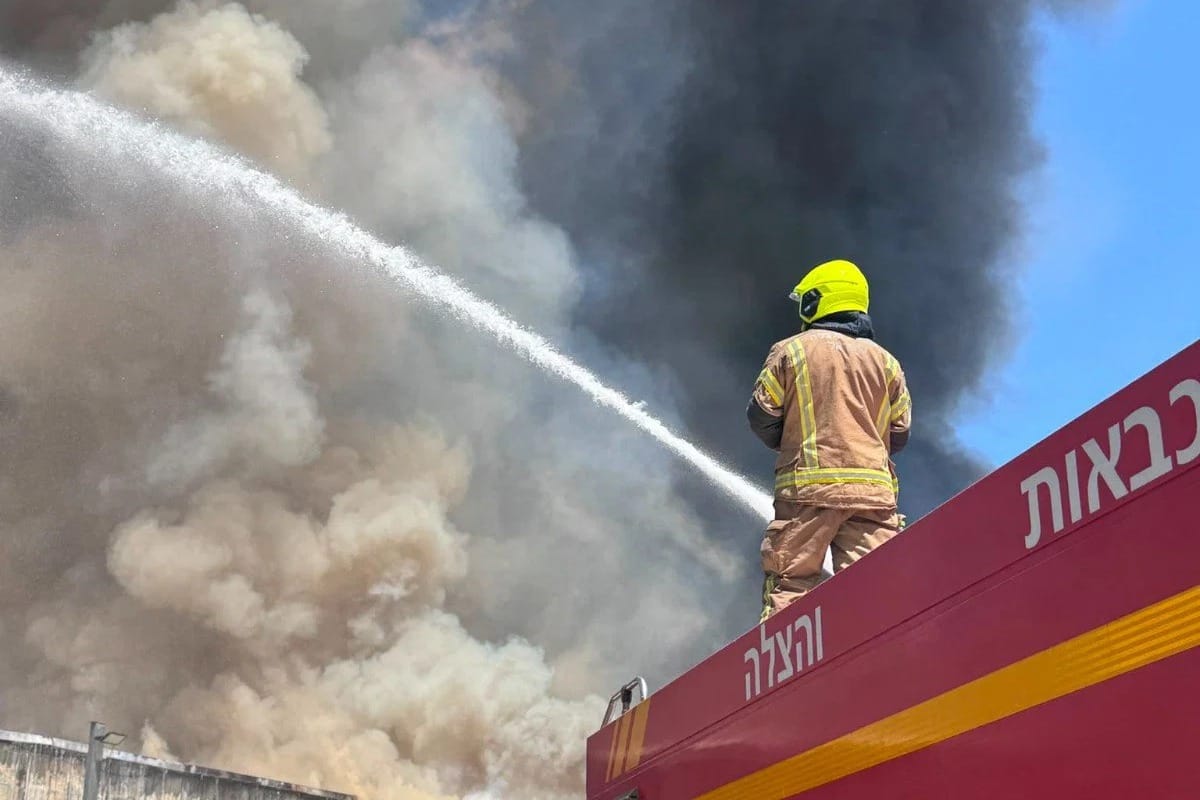
Tal Volvovitz of Israel Fire and Rescue Services in an interview

Shabbat Candles in the Sukkah - The Primary Danger

"Many times we receive calls about fires caused by lighting candles and leaving them unattended," she explained. The recommendation is to light candles under supervision.

If there's a need to leave the sukkah, candles should be placed on a stable surface, in a location protected from wind and at a safe distance from fabrics and s'chach. Volvovitz also recommends keeping fire-extinguishing equipment near the sukkah, such as a fire extinguisher or water hose.

Collapse Danger

Beyond the danger of the sukkah catching fire, there's another hazard: sukkahs that aren't built stably. Volvovitz recounted that firefighters are called every year to rescue people from collapsed sukkahs. "When a large number of people enter a sukkah, it's especially important that the structure be stable and suitable for the load, particularly in improvised sukkahs on balconies or rooftops."

Just days ago, a one-year-old infant was moderately injured in her home on Malachi Street in Bnei Brak after a heavy object fell on her during sukkah construction work. United Hatzalah medical teams in the Central District arrived quickly and provided initial medical treatment. According to her family, a wooden pallet fell on her head from a height of approximately 2.5 meters during sukkah construction. She was evacuated by United Hatzalah ambulance to the trauma room at Beilinson Hospital in Petah Tikva in moderate condition.

Electrical Cords and Power Strips

Fire and Rescue Services warns that using products that don't meet safety standards can lead to malfunctions and even fires. Lighting installed in the sukkah ceiling also requires attention. Fire services recommends maintaining distance between light fixtures and the s'chach, so the heat they emit doesn't cause ignition.

Volvovitz recommends using LED lighting: "Unequivocally. Use LED lighting which is much safer and heats up less."

Photo: Fire and Rescue Services Spokesperson

Lithium Batteries - "The Lesson from Last Year"

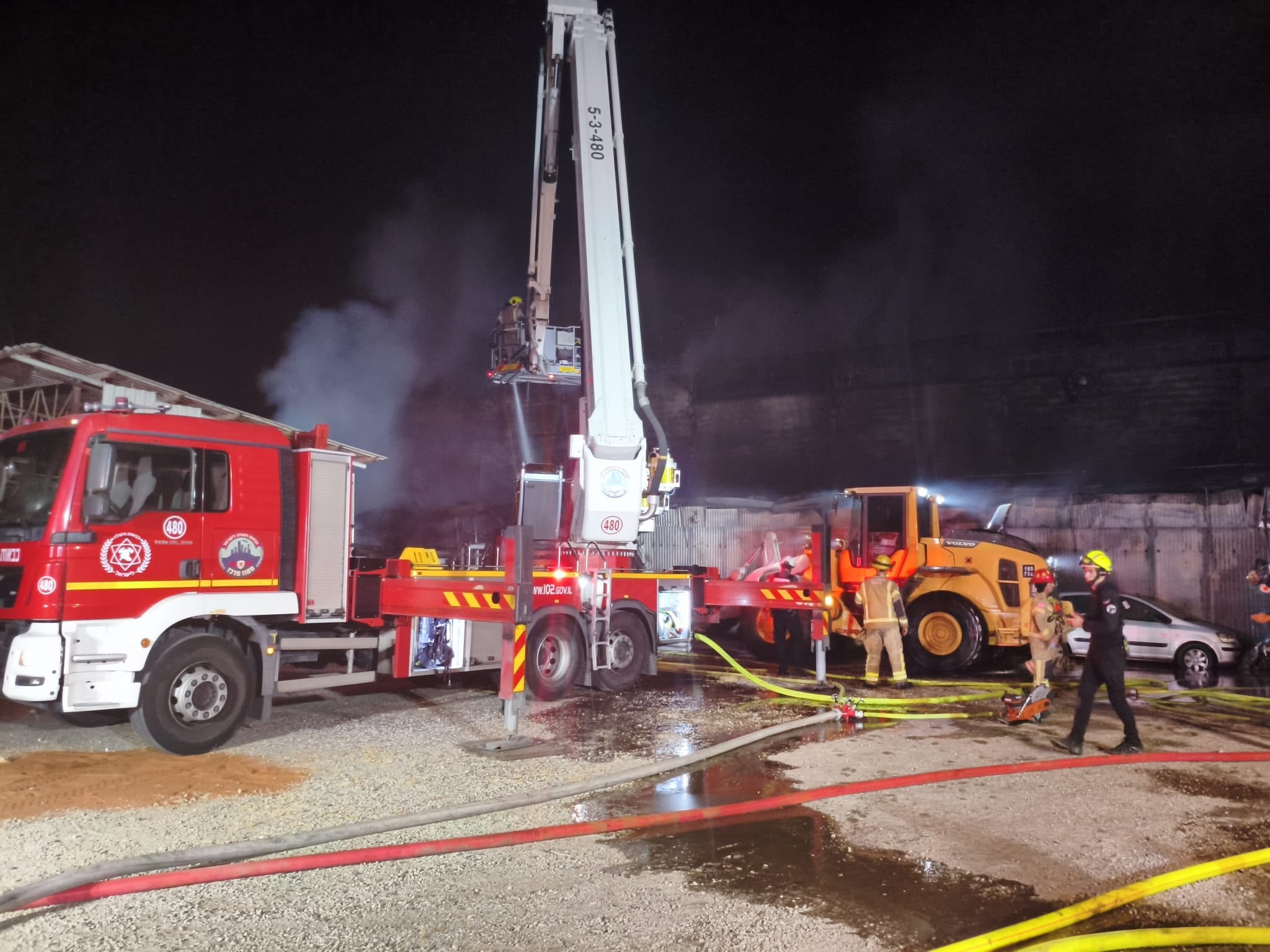
One significant example raised in the interview concerned a fire that occurred last year in Tel Tzion, where a fire broke out after a lithium battery from an electric bicycle stored inside the sukkah ignited. Firefighters had to rescue dozens of trapped people from the scene.

"The firefighters who rushed there rescued dozens of trapped people, including small children. It was a very, very significant incident, and thank G-d it really ended without casualties." Volvovitz particularly warns against bringing electric bicycles and scooters or storing lithium batteries inside the sukkah.

The s'chach, she explains, is dry and flammable, and the sukkah's fabrics and decorations can also contribute to fire spread. When a fire breaks out while people are inside the sukkah, the situation can quickly become dangerous. "When you're inside the sukkah and the sukkah starts going up in flames, it creates a very dangerous trap."

"The Haredi and Religious Population Challenges Us Greatly"

Later in the interview, Volvovitz addressed the challenge in haredi and religious population centers. Dense neighborhoods in Jerusalem, Bnei Brak, Elad, and other areas where many sukkahs are erected in close proximity to one another present a significant challenge for rescue forces. "The haredi and religious population challenges us very, very much during Sukkot," she said.

According to her, inside the sukkahs there's sometimes significant "fire load", holy books and objects, alongside fabrics, s'chach, and decorations. Added to this are multiple sukkahs, candle lighting, and crowding. Fire and Rescue Services is preparing by reinforcing forces in haredi centers, reinforcing 102 call centers, positioning rapid-response stations, and conducting proactive patrols in crowded areas. Patrols are also planned in forests and parks, along with drone deployment for early detection of fires in open areas.

"Where There Are Smoke Detectors, There Are No Tragedies"

Toward the end of the interview, Volvovitz moved to a broader point: smoke detectors. This relatively simple device that can alert to a fire at an early stage and allow residents to wake up and exit in time. "Where there are smoke detectors there are no tragedies, and where there are smoke detectors, we really see that smoke detectors save lives."

She emphasized the danger during nighttime, when household members are sleeping. According to her: "Most people don't die from the fire itself, they die from the smoke." Volvovitz shared that in her home she insists on smoke detectors in every room, and even made sure to install detectors in her elderly parents' home.

When asked whether over the years the public has become more aware of the dangers, Volvovitz pointed to a complex picture. On one hand, she said, the population is growing and therefore the number of incidents may also grow. On the other hand, Fire and Rescue Services invests significant resources in public education and instilling safety habits. The goal, she said, is to make safety part of the culture. "We really aspire to create a cultural change in fire safety."

Ready for more?

Join our newsletter to receive updates on new articles and exclusive content.

We respect your privacy and will never share your information.

Enjoyed this article?

Yes
No
Follow Us:

Unmissable content


Loading comments...

Also of Interest