Residents who were in public parks and on the streets at the time panicked and fled, finding shelter in neighbors' apartments until security forces arrived. The loud gunfire alarmed hundreds of residents in the normally quiet neighborhood.
According to a report in Ynet, the initial investigation was opened under the Israel Police Central District command, but because the officers involved in the neutralization shooting were police personnel, the case will be transferred within hours or days to the Police Internal Investigations Department (known by its Hebrew acronym Mahash). In the early stages of the incident, authorities examined the possibility of a terrorist attack, but a rapid field assessment and investigation by security forces completely ruled out a nationalist motive.
Alongside the examination of the shooting circumstances, serious questions have emerged regarding the soldier's mental state. Initial assessments suggested combat stress, but the Rehabilitation Division of the Defense Ministry quickly clarified that Omrani was not known to them, had not been treated for post-traumatic stress disorder, and was not under any medical or psychological monitoring in the civilian system.
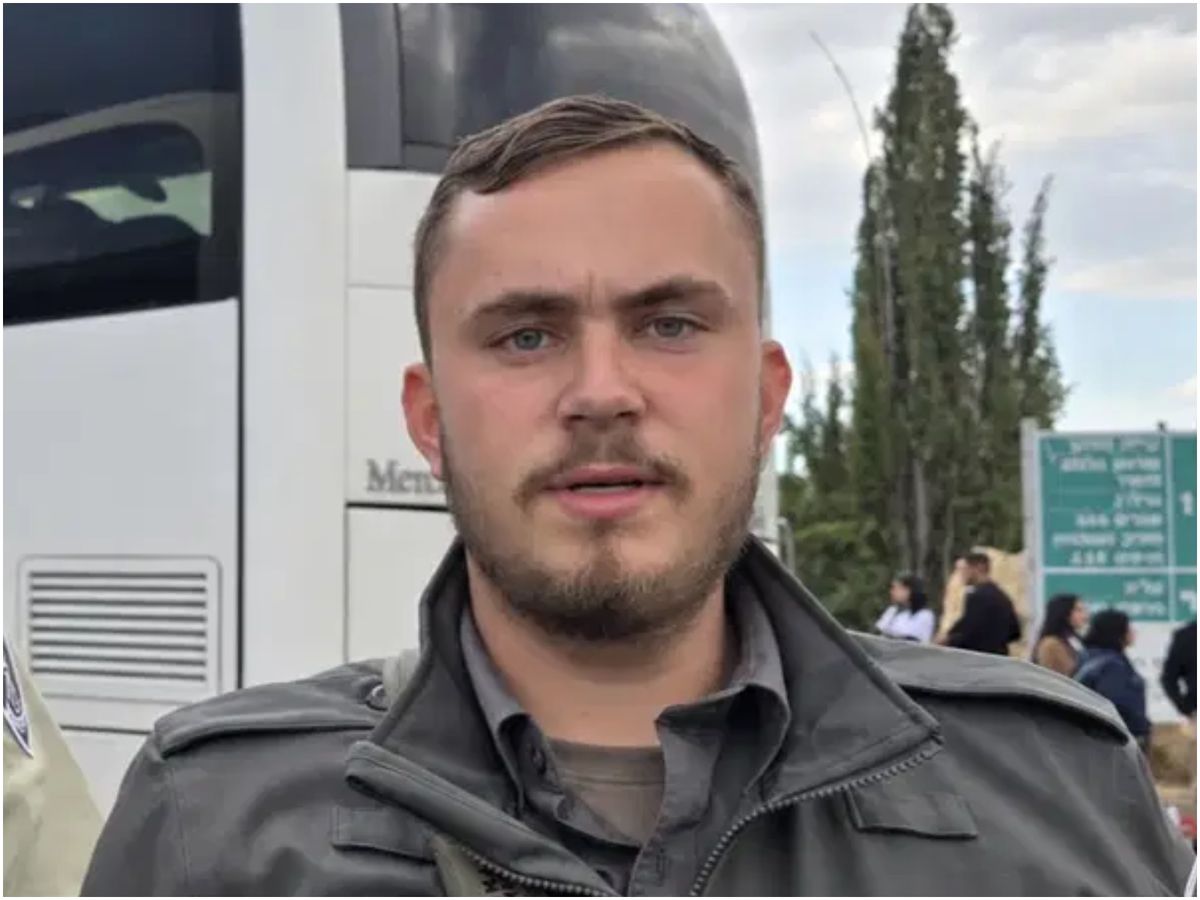
Omrani enlisted for mandatory service in the Border Guard in August 2024, and after completing his training was assigned to the Hebron sector in the West Bank, where he had been serving recently. His acquaintances and relatives received the news in complete shock, saying there had been no warning signs in the days preceding the tragedy.
According to them, just hours before he went out into the street with his weapon, he had ironed and organized his clothes in preparation for another work week at his base. He is survived by his parents and two siblings, and his funeral will be held today at the cemetery in Even Yehuda.
Against the backdrop of this tragedy, sharp criticism has been voiced by organizations that work with discharged soldiers and disabled IDF veterans. Attorney Idan Kleiman, chairman of Disabled IDF Veterans, noted that according to preliminary information, the soldier had requested a sector transfer during his service—a step that he argues constitutes "a flashing warning light" that the system missed.
Kleiman called for a fundamental conceptual shift in how the security establishment identifies and treats mental distress among soldiers, warning that without creating a mechanism for detection and close accompaniment for every soldier returning from the battlefield, these tragic incidents and loss of life could recur.