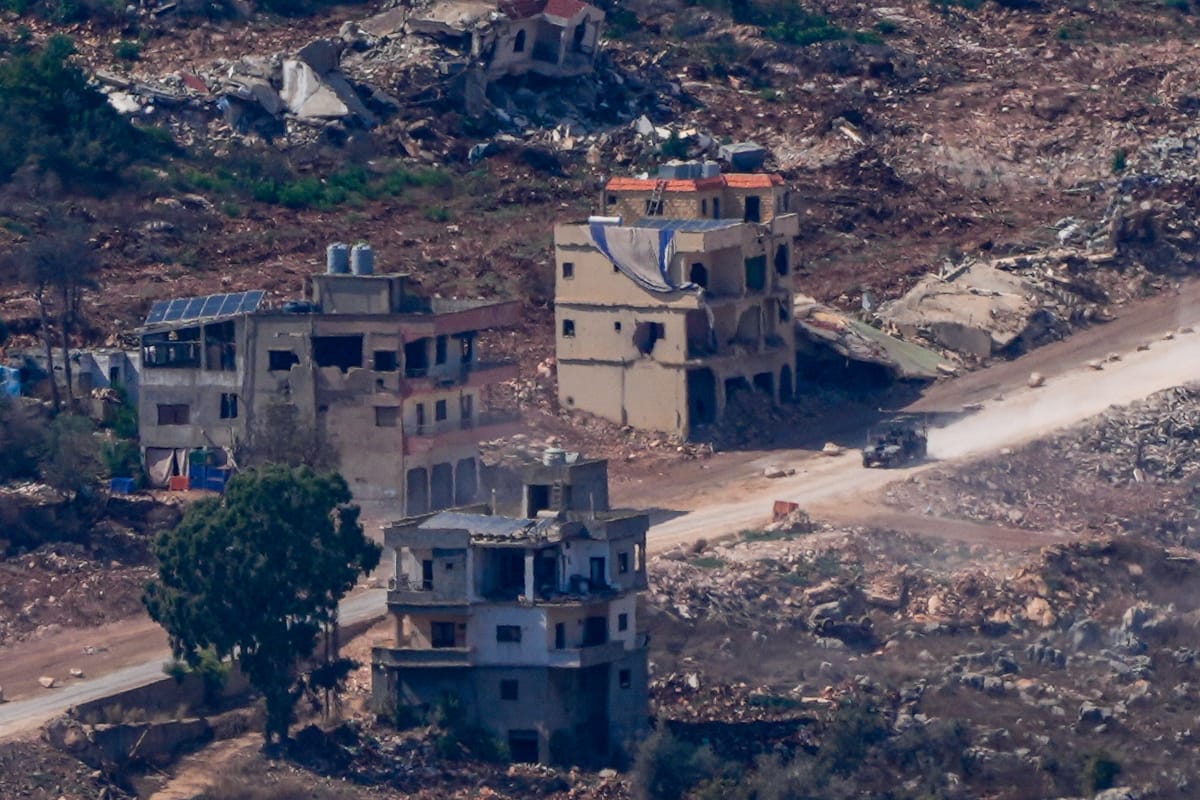
Israeli Defense Minister Israel Katz announced this week that the Israel Defense Forces had completed its hold on the security zone in southern Lebanon following the capture of the strategic Ali Taher Ridge. The official statement sounded like the successful conclusion of a complex operation.
Behind that declaration, however, lies a far more complicated picture. A comprehensive investigation by Reuters reveals that inside the fortified underground complex, built with Iranian funding and planning over nearly two decades, more than a dozen members of Iran's Revolutionary Guard Corps (IRGC) are now besieged, including at least two senior officers.
The Ali Taher Ridge rises approximately 600-700 meters above sea level in the Beaufort region, creating a clear geographical divide between the Litani River basin to the east and the Nabatieh plateau to the west. Control of the ridge provides observation and command over major transportation arteries. Hezbollah transformed it into a strategic command position, constructing a massive tunnel network that included command rooms, weapons depots, generators, fighter quarters, and kitchens, infrastructure designed to support prolonged underground stays.
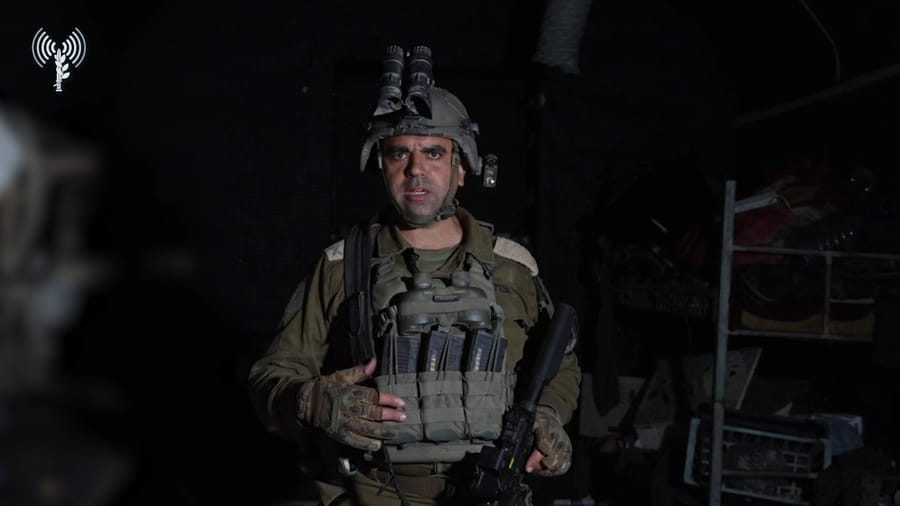
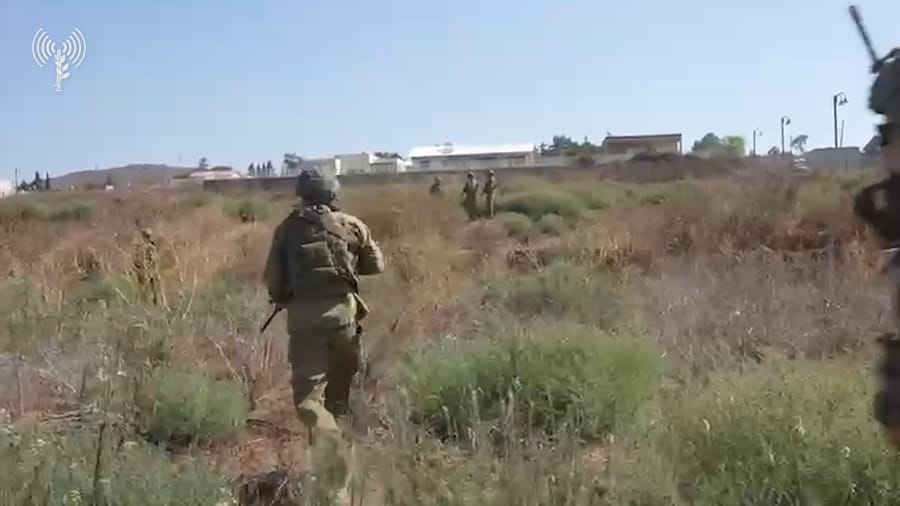
Forces from the IDF's 36th Division have encircled the facility in recent weeks, taking control of the surrounding area and cutting off supply routes. According to reports, dozens of terrorists remain trapped inside alongside the IRGC personnel. Israel maintains that while the tunnels were designed and funded by Iran, it denies the presence of senior Iranian officers during the final siege. Foreign sources, however, insist they were indeed there.
As early as August, Iran conveyed a severe warning to the United States through Oman: any Israeli move on the ridge would trigger a large-scale response from Tehran. That message led to heavy American pressure on Jerusalem and the postponement of a planned assault at that time. Iranian and Hezbollah attempts to send drones carrying food and water also failed, the aircraft were shot down.
Israeli security officials emphasize that extensive portions of the underground infrastructure have already been demolished, heavy casualties inflicted on the militants, and some have escaped. Forces continue tightening the siege and systematically neutralizing what remains, exercising maximum caution.
Defense Minister Katz presented the ridge's capture as "completion of the phase of securing the security zone," and delivered a sharp message to Tehran: an Iranian attack on Israel would free Israel from all constraints, enabling strikes on all of Iran's national infrastructure, both military and civilian, including energy facilities.
Analysts, including researchers from the Institute for the Study of War (ISW), view the incident as a game of mutual restraint. Israel denies direct Iranian presence to preserve operational freedom and avoid being drawn into all-out war with Tehran. Iran, for its part, inflates the incident's dimensions to deter and protect remnants of its "Badr Unit." In Lebanon, critics already accuse Prime Minister Benjamin Netanyahu of exaggerating the ridge's importance for domestic political purposes.
The tactical gain for Israel is clear, control of a commanding ridge that protects Galilee communities, but it also serves as a stark reminder that the campaign in southern Lebanon remains far from complete, and that Iran's threatening shadow continues to hover over every development on the ground.