Brazilians will vote Sunday in a presidential runoff that could return the Bolsonaro family to power and reshape the country’s relationship with Israel, which has frayed badly under President Luiz Inácio Lula da Silva.
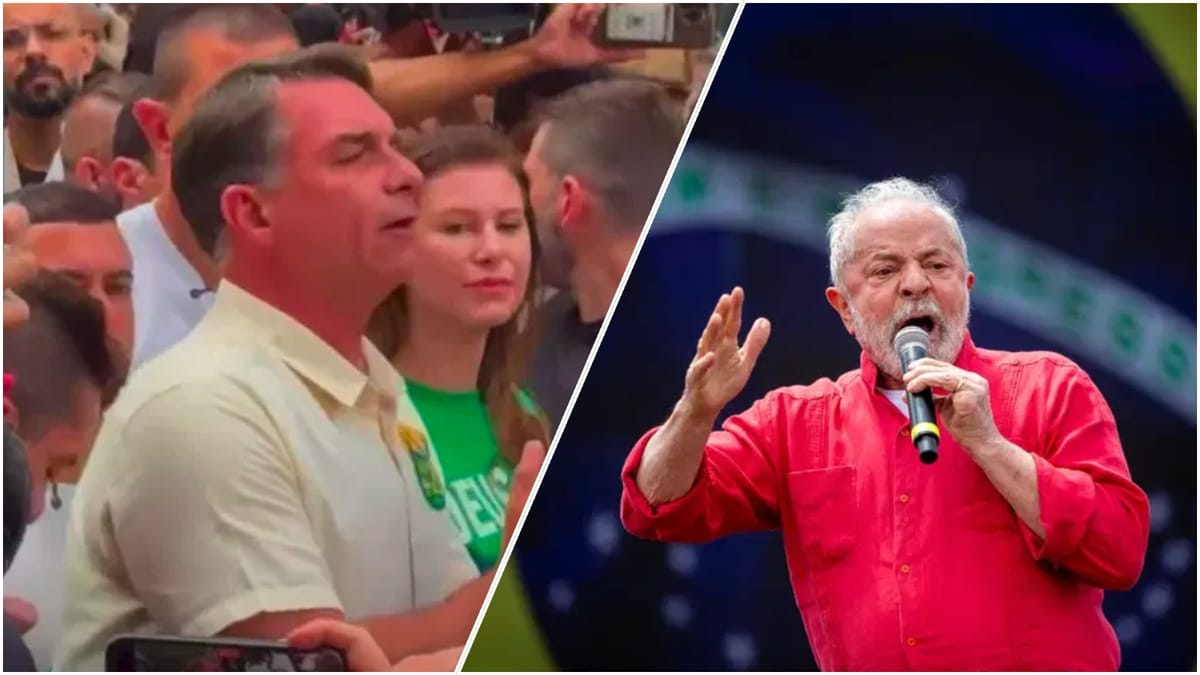
Lula faces Sen. Flávio Bolsonaro, the son of former president Jair Bolsonaro, in a race that polls suggest will be exceptionally close. In the first round on Oct. 4, Bolsonaro won about 47.03 percent of the vote to Lula’s 45.16 percent.
For Brazil’s right, the vote is a chance to reclaim the presidency and reverse the direction of the country’s foreign policy. For Israel, the central question is whether ties with Latin America’s largest country can be repaired after bitter clashes with Lula’s government over the war in Gaza.
Several recent surveys give Bolsonaro a slight edge. A PoderData poll published Oct. 22 showed him with 51 percent of valid votes to Lula’s 49 percent. The survey of 4,000 voters, conducted Oct. 19 to 21, has a margin of error of 1.6 percentage points. A BTG/Nexus poll released Oct. 19 showed a similarly narrow lead, 50.3 percent to 49.7 percent, and an AtlasIntel/Bloomberg survey conducted Oct. 13 to 18 put Bolsonaro ahead 51.1 percent to 48.9 percent.
The margins are thin, and results vary among polling firms. Before the first round, several polls showed Lula in the lead, only for him to finish second. Both campaigns are now courting voters who backed other candidates in the first round, along with those who have yet to decide whether to vote at all.
On foreign policy, the two candidates could hardly be further apart. Bolsonaro has said that, if elected, he will deepen ties with Israel and the United States. He has pledged to move Brazil’s embassy from Tel Aviv to Jerusalem and to name a new ambassador to Israel, a post that has been vacant since 2024. He has accused Lula’s government of putting ideology ahead of Brazil’s national interests, and his platform calls for closer relations with Argentina and the Trump administration, as well as a fight against antisemitism and terrorism.
Lula has promised to continue a foreign policy built on cooperation with countries of the Global South and on Brazil’s independence on the world stage. His government’s relations with Israel deteriorated after he compared Israel’s military campaign in Gaza to the Holocaust, remarks that drew a sharp response from Israel.
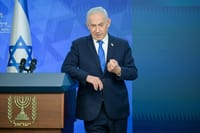
After the first round, Bolsonaro received congratulatory calls from Prime Minister Benjamin Netanyahu, President Donald Trump and Argentine President Javier Milei, a sign of the support he enjoys among right-wing leaders abroad. Netanyahu said he hoped Bolsonaro would win the runoff and spoke of renewing the friendship between the two countries.