
Get our mobile app
Download on the App StoreGet it on Google Play

he's not wrong

Chief Justice: Haredim Carry Two Phones

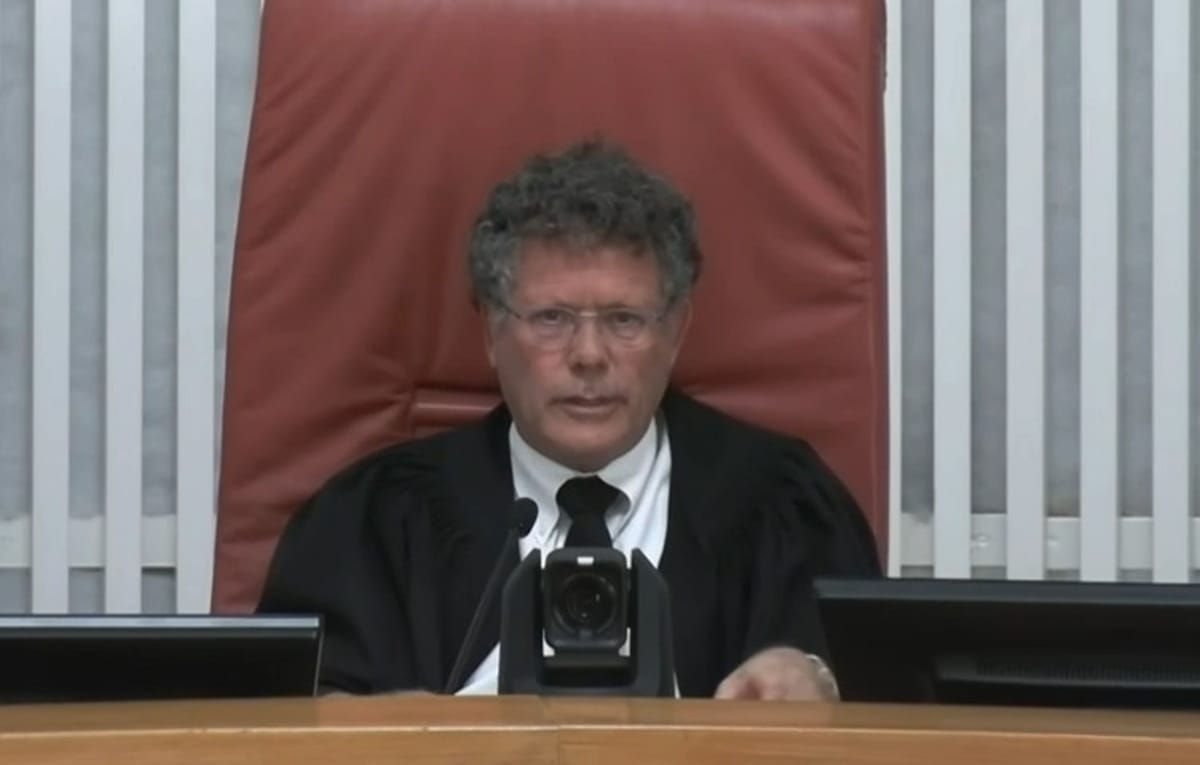
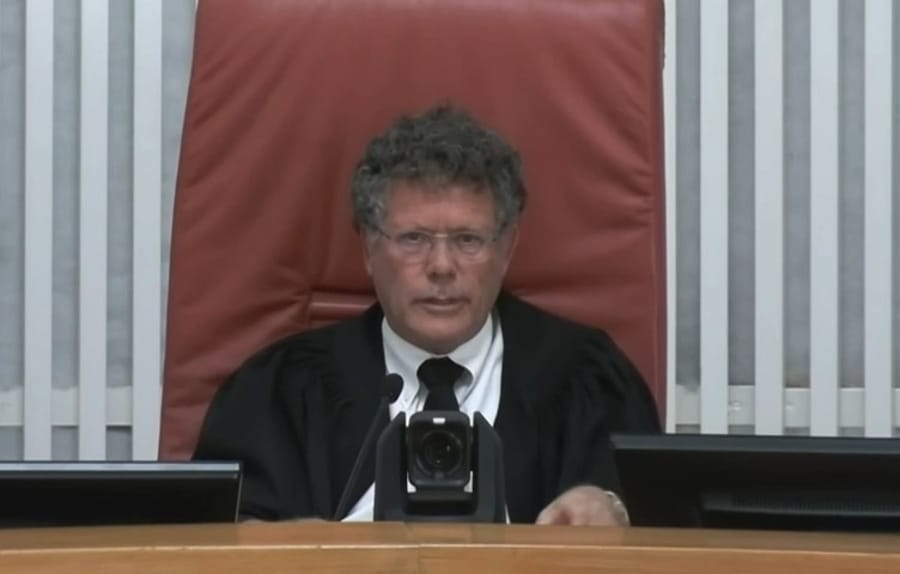
Supreme Court President Yitzhak Amit suggested during a hearing that a significant portion of Israel's ultra-Orthodox community carries both a "kosher phone" for show and a smartphone for actual use

Chief Justice Yitzhak Amit Claims Many Haredi Israelis Carry Two Phones

Israeli Supreme Court President Yitzhak Amit made controversial remarks Wednesday during a hearing, claiming that many ultra-Orthodox Israelis who carry "kosher phones" (basic devices approved by rabbinic authorities) also carry regular smartphones.

The comments came during proceedings on a petition filed by Lobby 99 and the Hatzlacha organization, represented by attorney Elad Man. The case challenges a decision to allow several regional radio stations to broadcast beyond their designated areas.

"Many times," Justice Amit stated during the hearing, "someone who has a kosher phone in one pocket also has a phone for calling in the other pocket."

He elaborated further, saying: "They say it's a very significant percentage of the ultra-Orthodox population that holds two phones. One kosher phone to show off with, and one real phone, a smarter phone."

The term "kosher phone" refers to mobile devices that have been stripped of internet access and other features deemed problematic by ultra-Orthodox rabbinic authorities. These phones have become standard in many Haredi communities in Israel, where religious leaders have sought to limit exposure to secular content.


The petition at the center of the hearing addresses decisions made by the Second Authority Council and Communications Minister Shlomo Karhi to expand the broadcast areas of certain radio stations using emergency powers outlined in Section 13a of the Communications Law.

The petitioners are seeking to nullify decisions made by the Second Authority Council on March 1, 2026, and June 30, 2026. They argue the decisions were made without proper authority and contain several substantive defects. They also demand cancellation of the Frequency Committee's decision to advance and implement the broadcast expansion.

Additionally, the petitioners want to overturn Karhi's decision from May 11, 2026. They claim it was made without consent from the relevant security authority, lacked sufficient factual basis, and involved consideration of extraneous factors.

The petition also argues that Section 13a does not permit the minister to alter the regional broadcast map using emergency powers. According to the petitioners, the minister's previous attempts to expand broadcasts for these same stations, combined with statements he made during the election period, raise concerns about political and commercial motivations.

Ready for more?

Join our newsletter to receive updates on new articles and exclusive content.

We respect your privacy and will never share your information.

Enjoyed this article?

Yes (36)
No (1)
Follow Us:

Unmissable content


Loading comments...

Also of Interest