
The 26th Knesset opened its term Tuesday with a festive swearing-in ceremony in Jerusalem attended by President Isaac Herzog. All 120 members took the oath of office, among them 46 first-time lawmakers. Before the ceremony had even ended, the change bloc began rolling out its legislative agenda.
Gadi Eisenkot's Yashar party, together with other factions, submitted a package of eight bills. Two of them form the centerpiece. The first would set up a state commission of inquiry into the October 7, 2023 massacre. The second would amend Basic Law: The Government to limit how long a prime minister can serve.
The other six bills seek to repeal laws passed by the outgoing government as part of its judicial overhaul:
- the law that changed the status and powers of the attorney general over legal opinions, representation and oversight
- the amendment to Basic Law: The Judiciary
- Amendment 105 to the Courts Law
- the amendment to the Communications (Broadcasting) Law
- the changes to the incapacity arrangements in Basic Law: The Government
- the law placing the Police Internal Investigations Department under the justice minister
The bills are only at the first stage of the legislative process and must pass several Knesset votes before taking effect. Yashar also presented Knesset Speaker Amir Ohana with the signatures of 67 lawmakers, demanding a plenum vote to elect a new speaker.
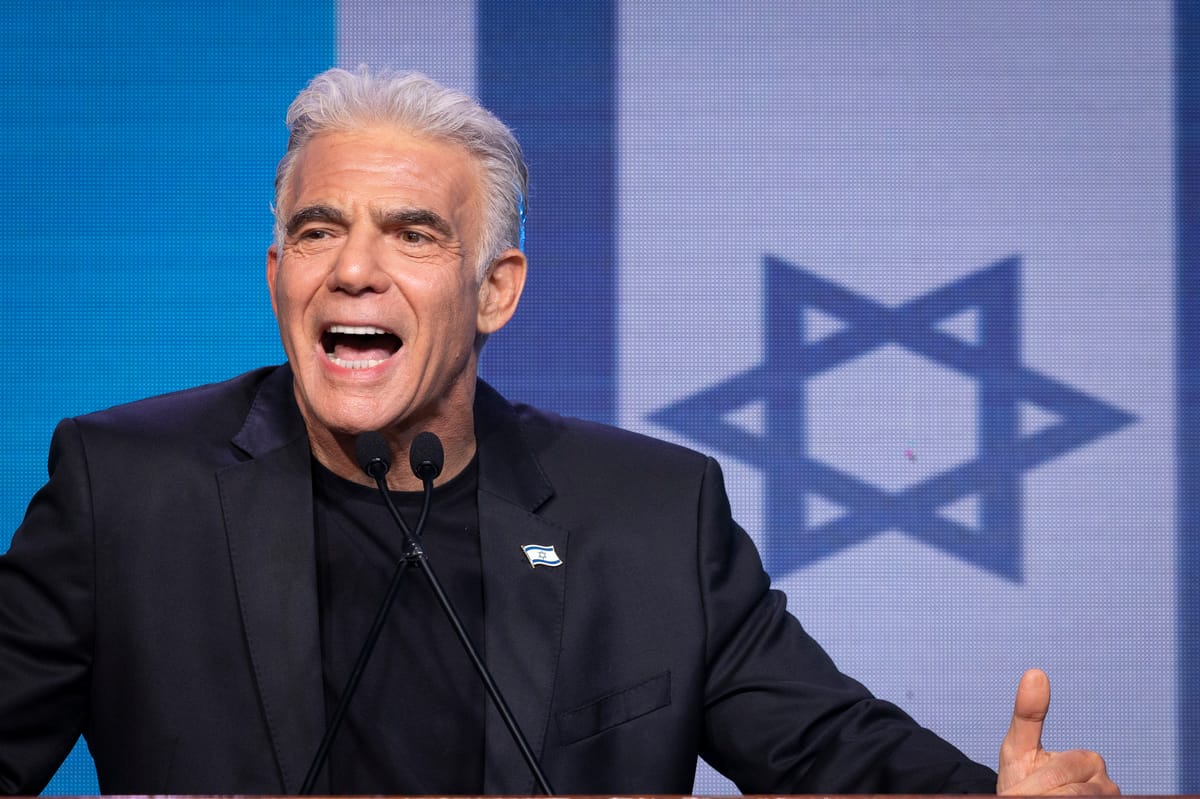
Former Prime Minister Yair Lapid (Beyachad) is set to file three bills of his own. One would also limit the prime minister's tenure, to eight years. Another would enshrine the Declaration of Independence in a Basic Law, as the first chapter of a future Israeli constitution. The third would create civil partnerships: couples could register in a civil partnership registry and receive legal recognition as a family, regardless of sexual orientation.
"We will continue to be the voice of liberal Israel in the Knesset, and we will work to repair the State of Israel," Lapid said.