
Get our mobile app
Download on the App StoreGet it on Google Play

Change Bloc negotiations

"We eulogized Eisenkot too soon"

Channel 13's Michael Shemesh praises Gadi Eisenkot's coalition-building strategy as talks advance on Knesset speaker, but warns the chareidim won't bend on the draft law

Political Analyst: We Eulogized Eisenkot Too Soon

As reports emerge of a first breakthrough in talks toward swearing in the Knesset and internal agreements on the identity of the designated speaker, Channel 13 political analyst Michael Shemesh is backing the negotiating approach of Yesh! party leader Gadi Eisenkot.

In an interview on Radio 103FM, Shemesh addressed Eisenkot's conduct with his bloc partners, led by Avigdor Liberman and Naftali Bennett, regarding securing the Knesset speaker appointment for his faction and presenting a united front.

"Many times we eulogize Eisenkot and say he supposedly didn't succeed, and notice how quietly, quietly, he ends up defusing landmines," he argued.

Liberman's dilemma and Bennett's silence

During the interview, Shemesh detailed the internal system of checks and balances within the emerging coalition and pointed to the different strategies displayed by party leaders.

For Yisrael Beiteinu chairman Avigdor Liberman, any inclusion of or reliance on the Arab parties constitutes an absolute red line. As a result, Liberman has promised Eisenkot that he will be the one to work on bringing the chareidi factions into an agreed coalition scenario.

In contrast, Naftali Bennett is maintaining a calculated silence at this stage. According to the report, Bennett prefers to first examine the agreements and formulas that will be reached with the chareidim, and only then calibrate his political steps accordingly.
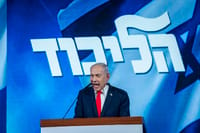

The chareidi landmine: draft law remains a rock of contention

While there is optimism over parliamentary appointments, Shemesh says negotiations with the chareidi parties have hit serious obstacles on core issues, the most critical being the draft law.

According to his assessment, the chareidi factions have shown no willingness to make significant concessions and are prepared to be flexible on budget matters at most. On the question of sharing the burden of military service, they are not expected to accept anything softer than the previous draft bill, which they themselves helped bring down.

The bottom line, Shemesh assesses, is that politically, the chareidim are now in the best bargaining position in the system, since without their willingness to be flexible regarding Liberman's demands, the path to establishing a stable government remains complicated.

Ready for more?

Join our newsletter to receive updates on new articles and exclusive content.

We respect your privacy and will never share your information.

Enjoyed this article?

Yes
No
Follow Us:

Unmissable content


Loading comments...

Also of Interest