Get our mobile app
Download on the App StoreGet it on Google Play

European Union

EU May Restructure Foreign Service

France and Germany are leading a proposal to partially dismantle the European External Action Service, transferring powers to the European Commission and cutting the budget by one billion euros annually

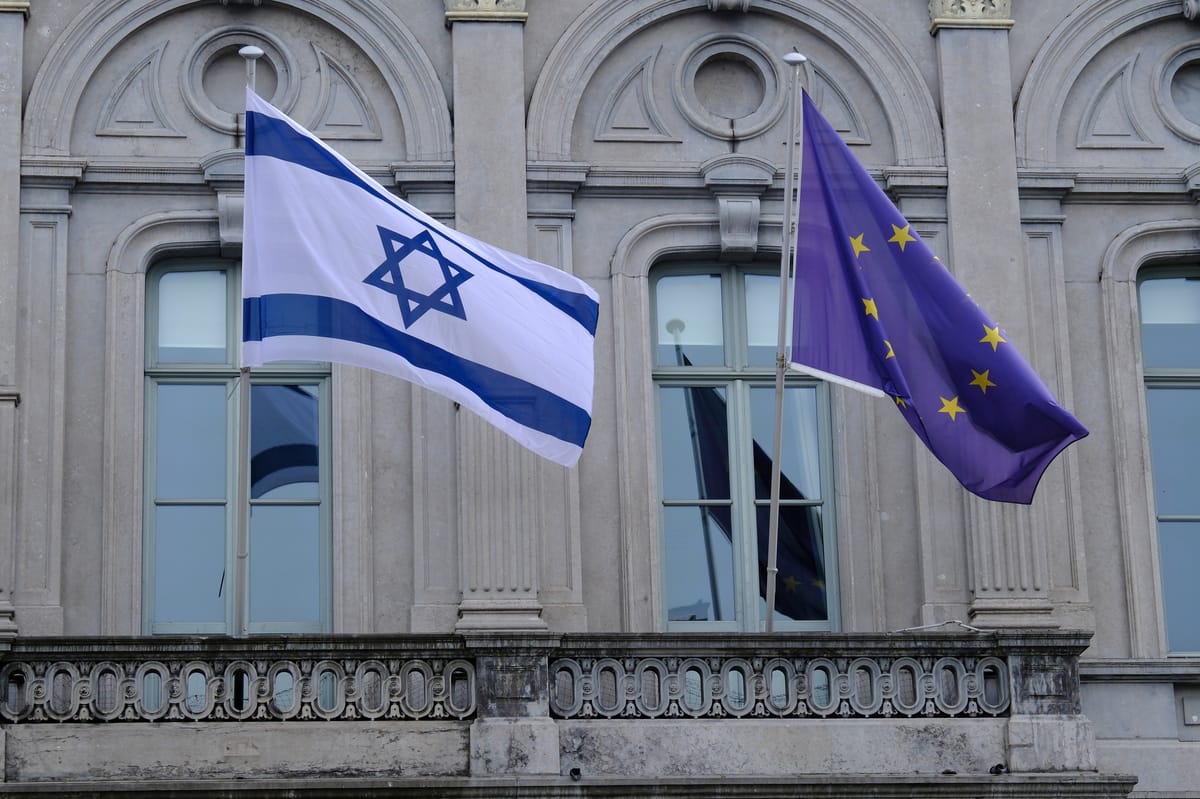
Israeli, EU flags

European Union member states are preparing to implement a sweeping reform of the bloc's diplomatic apparatus, according to a French-German initiative that could fundamentally reshape how Europe conducts its foreign relations. The proposal under consideration would transfer significant portions of the European External Action Service's responsibilities to existing departments within the European Commission, effectively dismantling parts of the current diplomatic structure.

The plan, expected to be discussed at an upcoming leaders' summit, involves moving authority over key areas including international trade, humanitarian aid, digital regulation, and technology policy. Proponents argue the reorganization would eliminate redundancies between different EU bodies and streamline decision-making processes. A final determination is anticipated during budget negotiations for the 2028-2034 period.


Annual Savings of One Billion Euros

Beyond organizational changes, the reform carries substantial financial implications. The European External Action Service currently operates on an annual budget of approximately one billion euros, a significant portion of which would be redirected to the European Commission under the proposed structure. A scaled-down foreign service would continue operating outside the Commission framework, but would focus primarily on peacekeeping missions and military training operations.

The push for change comes amid sharp criticism from European capitals regarding the foreign service's performance and its chief, Kaja Kallas. Member states have cited difficulties coordinating effective responses to international crises, including the wars in Ukraine and the Middle East, as well as managing relations with the United States under President Donald Trump's foreign policy approach.

Kaja Kallas, IRGC sign
Kaja Kallas, IRGC sign (Shutterstock)

Disputes Over Israel Paralyzed Decision-Making

A central point of contention has been disagreements over policy toward Israel during the current war. Tensions between Kallas and European Commission President Ursula von der Leyen on this issue have contributed to perceptions that the current structure is ineffective. Israeli Foreign Minister Gideon Sa'ar previously announced he was severing contact with Kallas after she compared Israel to apartheid South Africa.

Separately, eleven member states are demanding an end to the consensus requirement for foreign policy decisions. They argue that requiring unanimous agreement from all member states undermines the EU's ability to act and prevents rapid responses to emerging crises.

The European Commission has confirmed the discussions are taking place. A spokesperson stated that "discussions are ongoing on this matter" and described it as "a continuous examination of ways to reform and strengthen the Union's external activities." The official added that "given the geopolitical environment, the Union must continue to adapt and innovate its tools, structures, and decision-making processes to be able to act effectively."

An EU source indicated that Kallas would address the issue with foreign ministers with the goal of "making the Union's external activities more effective," but clarified that "any decision regarding the future of the European External Action Service can only be made with the approval of member states."

Ready for more?

Join our newsletter to receive updates on new articles and exclusive content.

We respect your privacy and will never share your information.

Enjoyed this article?

Yes (27)
No (1)
Follow Us:
1

Unmissable content


Loading comments...

Also of Interest