Get our mobile app
Download on the App StoreGet it on Google Play

Gulf Tensions Escalate

Iran Fires Missile at U.S. F-35 Over Hormuz

Pentagon alarmed after Iranian air defense battery targeted American F-35 stealth aircraft escorting commercial vessels through strategic waterway, prompting new U.S. strike plan

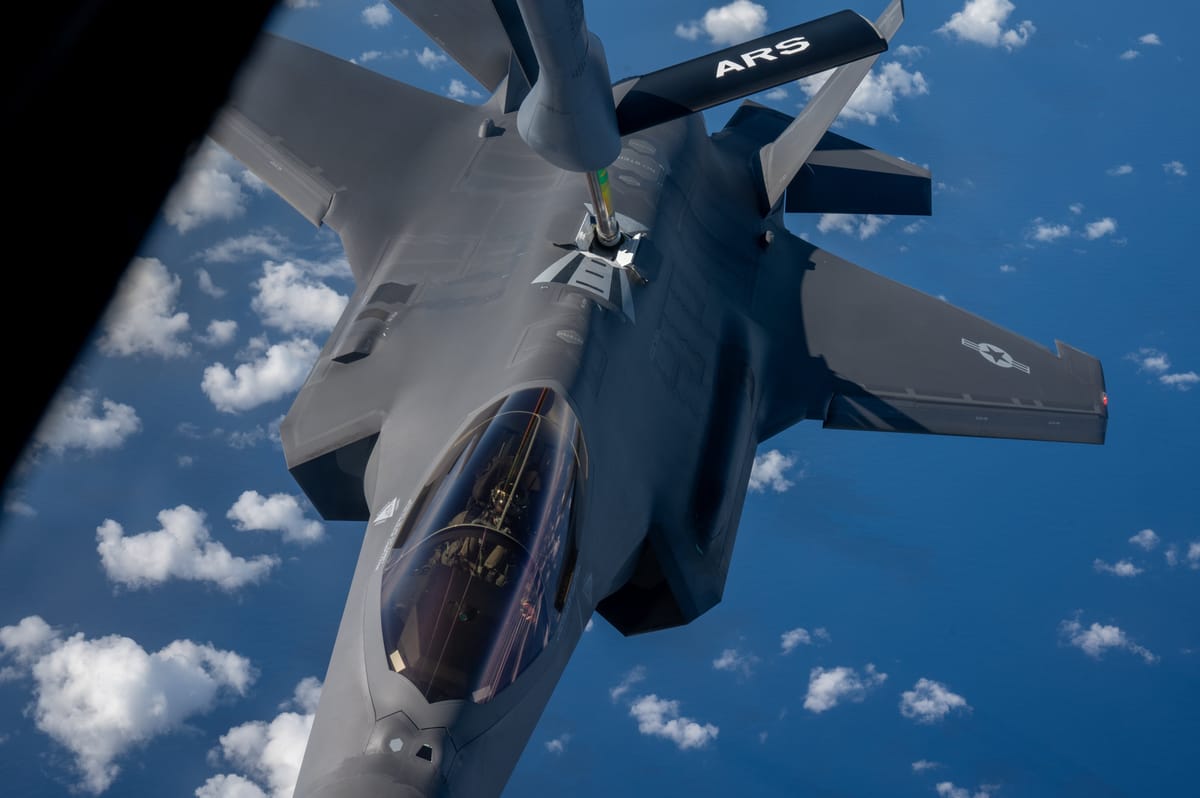
F-35 Lightning II

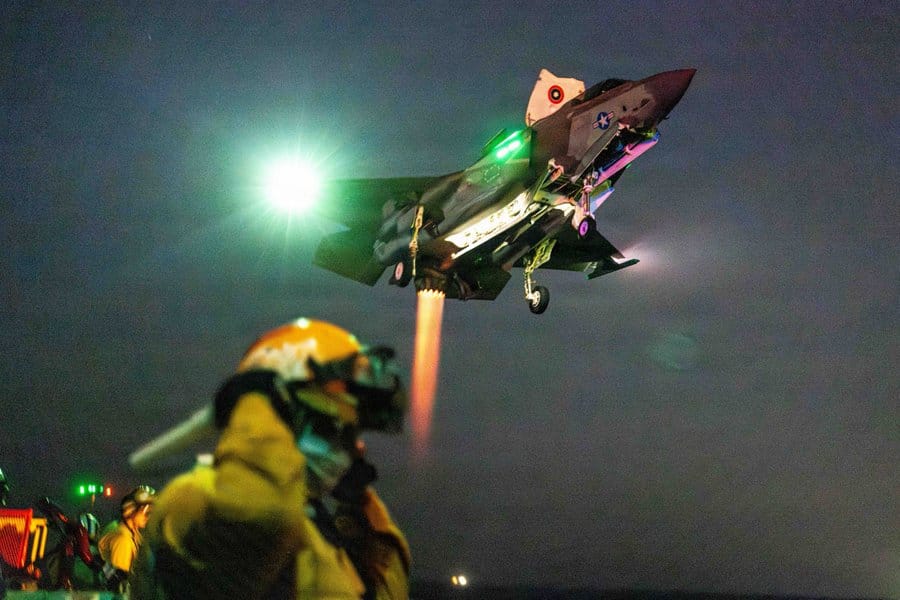
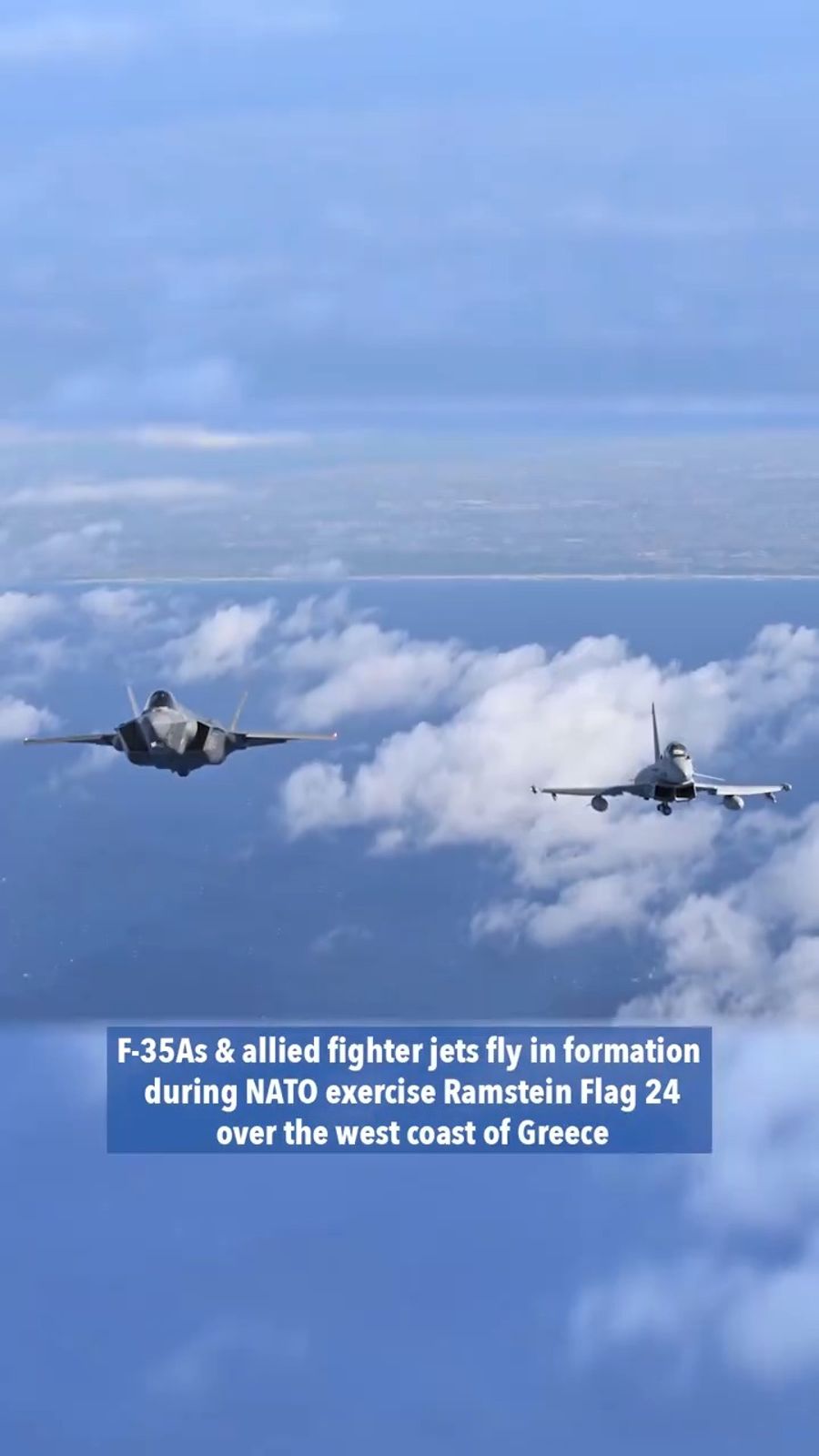
An Iranian air defense battery fired a surface-to-air missile at a U.S. F-35 stealth fighter jet over the Strait of Hormuz, according to a report first published by Axios. The incident occurred while the advanced American warplane was providing air cover for oil tankers and commercial vessels transiting the strategic waterway.

While the missile did not come close enough to pose a direct threat or cause damage, and the incident ended without casualties, Washington was shocked that Tehran targeted one of America's most advanced military asset. Defense officials view the episode as an unprecedented escalation in the ongoing maritime confrontation in the Persian Gulf, signaling Iran's willingness to raise the stakes dramatically.
Aviation and defense experts caution that firing a missile does not necessarily mean Iran achieved full radar lock on the stealth aircraft. In modern combat, missiles are launched at stealth platforms through several methods: "blind" or statistical firing toward an approximate area where activity has been detected; use of passive systems and thermal or optical sensors that don't emit radar waves and therefore evade the aircraft's warning systems; or basic detection using low-frequency radars that can indicate a general presence in the sky without the precision needed for accurate missile guidance.

 F-35
F-35 (Photo: US Department of Defense)

Washington has clearly identified that despite severe setbacks in recent months, Tehran is actively working to restore its radar arrays and coastal missile systems around shipping lanes.

In response, U.S. Central Command, with full backing from Defense Secretary Pete Hegseth, developed a new operational plan dubbed "mowing the grass." The concept calls for periodic, limited strikes against Iranian targets in the strait, destroying military systems each time they are reestablished. While the White House initially hesitated over fears of broader escalation, events on the ground moved faster.

U.S. forces destroyed two Iranian missile launchers on Larak Island that were attempting to lay naval mines, and Iran responded by launching a barrage of ballistic missiles at American bases in Jordan—King Hussein Air Base and Al-Azraq Air Base. According to reports, air defense systems successfully intercepted most of the missiles, with no significant casualties reported.

F-35
F-35 (JPO - official account)

Following the missile attack in Jordan, President Donald Trump declared that the United States would respond with overwhelming force and would "hit Iran hard." In a statement, the president said: "The United States is attacking, at this very moment, Iranian targets near the Strait of Hormuz. The attacks are large and powerful, and they come as retribution for the Iranians' failed attempt to add naval mines to the strait."

Trump added a warning: "If the failed state of Iran takes retaliatory steps for this very justified attack, it will be attacked again at a much harder and higher level." This statement is expected to lead to final approval of the limited strike plan being advanced by Central Command in the Strait of Hormuz.

U.S. Central Command reported that the strikes targeted the Revolutionary Guards but did not specify which sites were hit. According to sources cited by The New York Times, targets included a military base in Bandar Abbas and the area near the airport on Qeshm Island, where "significant damage" was inflicted.

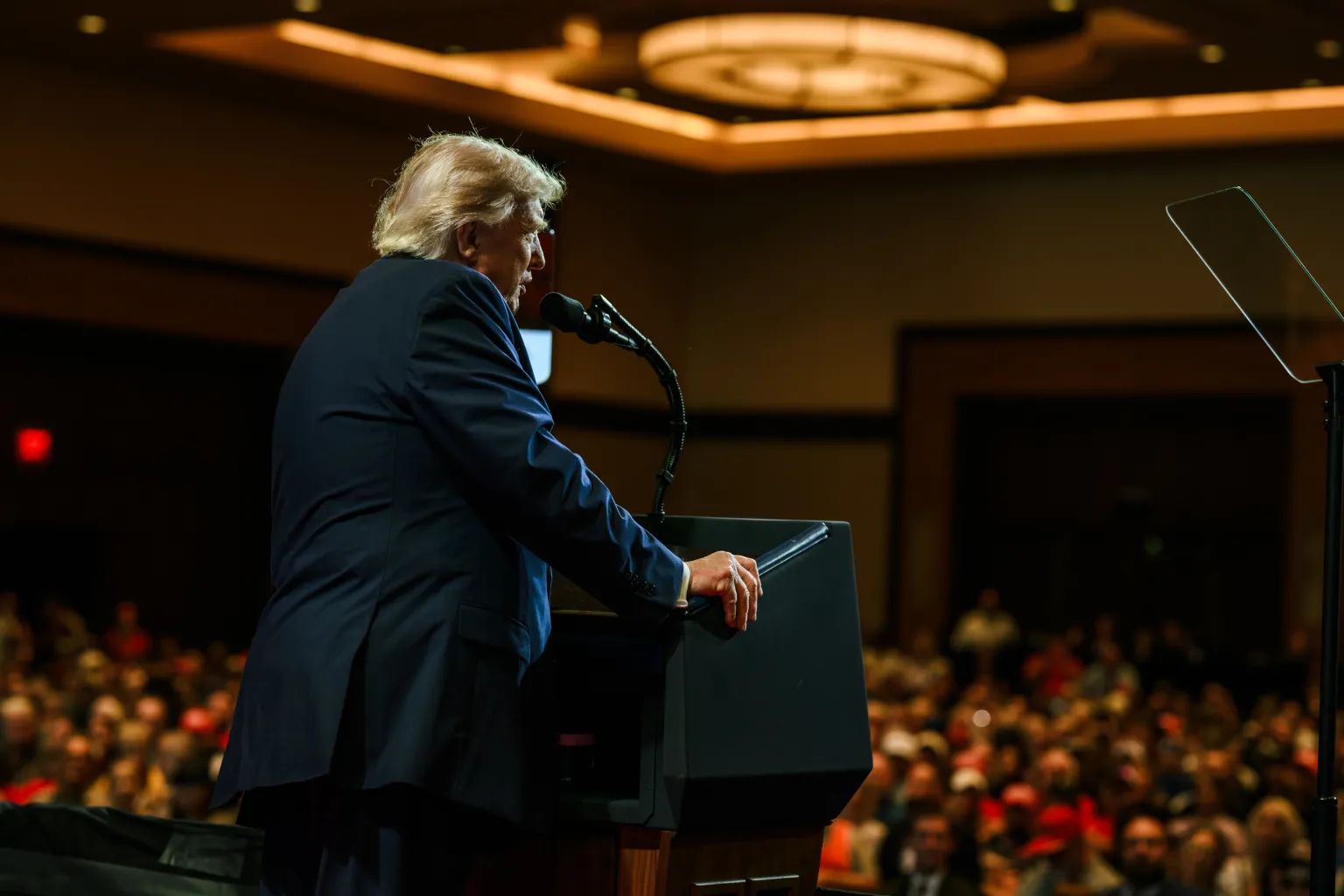
Trump
Trump (The White House)

The American naval blockade of Iran, renewed on July 14 after the collapse of temporary understandings, is tightening significantly. Reports from Iranian opposition channels indicate that the U.S. Navy is no longer content with preventing ships from entering or leaving Iranian ports, but in recent days has also been warning Iranian vessels against movement between different ports within Iran's own territorial waters.

U.S. Central Command reports that since the blockade resumed, dozens of commercial vessels attempting to breach it have been turned away: as of late August, approximately 70 ships were diverted from their course, three vessels were disabled, and two were boarded by American forces. The move is designed to further disrupt Iran's internal maritime traffic and complicate the transport of goods, fuel, and military equipment between its ports along the Persian Gulf and Gulf of Oman.

A CNN analysis estimates that the Iranian regime is rapidly losing its advantage. The economic blockade is striking at the core of Tehran's ability to continue fighting. International Monetary Fund forecasts point to a contraction of more than five percent in the Iranian economy this year, alongside inflation surging to nearly seventy percent.

Ready for more?

Join our newsletter to receive updates on new articles and exclusive content.

We respect your privacy and will never share your information.

Enjoyed this article?

Yes (17)
No (1)
Follow Us:
1

Unmissable content


Loading comments...

Also of Interest