The broader context
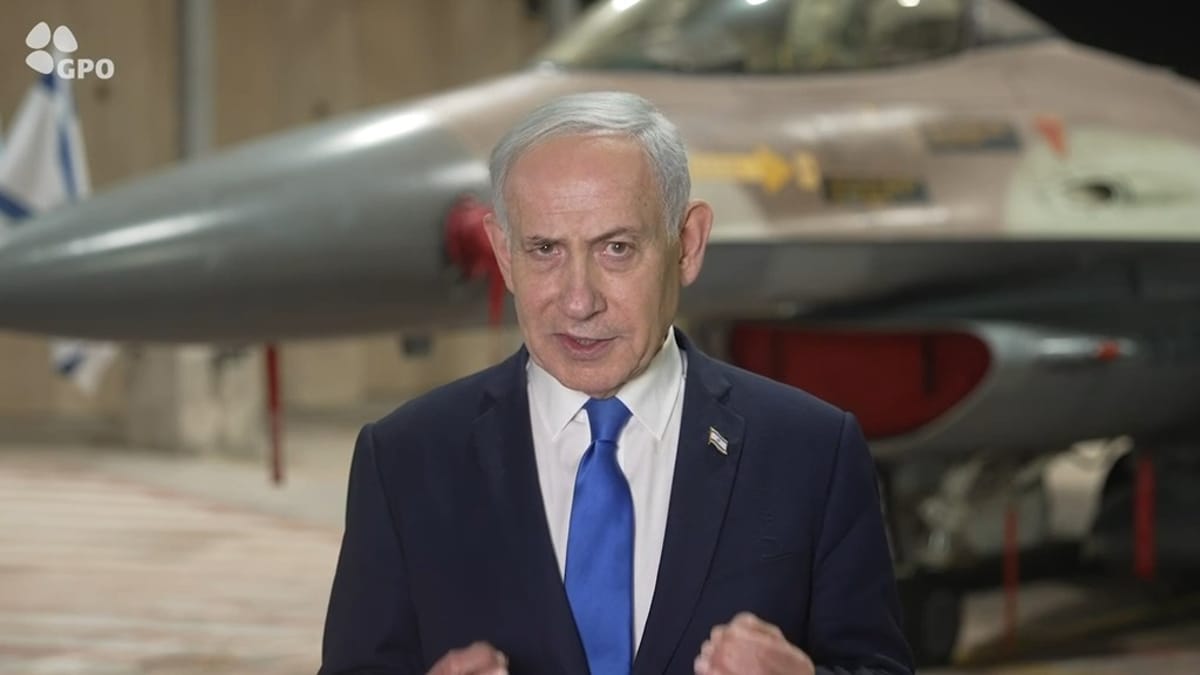
This declaration is not unusual in its style. Since the start of the Swords of Iron war and throughout the prolonged fighting across multiple fronts, Netanyahu has made a practice of visiting air force bases and broadcasting direct deterrence messages. The current visit fits into a series of similar statements he has delivered in recent months, particularly as the 2026 elections approach.
In September 2026, during a visit to Tel Nof base, Netanyahu said there were "signs" that Israel's enemies would try to attack ahead of the elections, and warned: "Don't mess with us… Our long arm will reach you anywhere and at any time." During visits to the eastern border in mid-October, he repeated the phrase "don't test us" while presenting the new security barrier.
The current message reinforces the same line: Israel is not only defending itself, but is prepared to respond with greater force than before. The backdrop is the ongoing fighting in Gaza, the activity in Lebanon, the threats from the Houthis and Iran, and the concern over further escalation during a politically sensitive period.
What stands behind the words?
- Classic deterrence: Netanyahu is speaking directly to the enemies (Hamas, Hezbollah, Iran and their partners) and making clear that the price of attack will be especially high.
- Emphasis on the air force: the arm perceived as Israel's "long arm," the one that has carried out most of the precise and strategic strikes since October 2023.
- Internal message: alongside the external deterrence, the statement is also meant to strengthen the sense of security among the Israeli public and to project determined leadership.
The bottom line: Netanyahu continues the approach that has become his hallmark in recent years: high operational readiness plus clear warning plus praise for the security forces. The question that remains open is whether this message actually deters the enemies, or whether they continue to test the boundaries, as they have done in the past.