Get our mobile app
Download on the App StoreGet it on Google Play

International Investigation

Israel oversaw $2bn Qatar-Gaza transfers

Unpublished documents show Israeli security chiefs coordinated with Qatari leadership on aid mechanism | Netanyahu governments shaped and maintained the system | Controversy intensifies ahead of elections

Campaign against Qatar

Previously unpublished documents, including correspondence between senior Israeli officials and the Qatari leadership, reveal the extent of Israel's involvement in the mechanism for transferring funds from Qatar to the Gaza Strip.

According to an investigation published by TIME magazine, Israeli governments did not merely approve the transfer of aid, they were partners in shaping the mechanism, overseeing the distribution of funds, and working to ensure its continued operation.

Since Hamas took control of the Strip in 2007, Qatar has transferred sums totaling nearly two billion dollars over more than a decade. The money was intended, among other things, to finance fuel and electricity, pay salaries, and provide cash assistance to Palestinian families.

According to the investigation, Israel's direct involvement in the mechanism expanded during Benjamin Netanyahu's tenure, with his government advancing the aid arrangements and maintaining them even as Israeli officials publicly criticized Doha.

Mossad chief's letter to Qatari prince

One of the central pieces of evidence presented in the investigation is a 2020 letter sent by then-Mossad chief Yossi Cohen to the Emir of Qatar, Tamim bin Hamad Al Thani. In the letter, Cohen expressed appreciation for Qatari aid to the Strip and wrote that the country's humanitarian efforts had made an important contribution to improving the humanitarian situation in Gaza and ensuring stability and security in the region.

According to TIME, the letter illustrates the gap between public criticism in Israel of Qatari funding to Gaza and the cooperation that took place behind the scenes.

Former senior American officials told the magazine that in some cases, Israeli officials condemned the transfer of funds publicly but approached Qatar through private channels requesting that payments be renewed.

By 2018, Qatar had already transferred approximately $1.1 billion to the Strip, according to figures presented to Israeli ministers and reported in Haaretz. That year, Qatar demanded formal documentation of the arrangements after Israeli officials accused it of funding Hamas. Following this, a more organized mechanism was formulated, with the participation of Israel, Qatar, and the UN.

Under the arrangements, Qatar financed the purchase of fuel and electricity from Israel, transferred funds for projects in the Strip through the UN, and provided monthly payments to needy families. According to Israeli and American sources cited in the investigation, Israel was involved in checking the eligibility of families and overseeing the distribution mechanism. In some cases, aid was transferred through the World Food Programme, and eligible recipients received text messages before collecting the money at designated points.

In August 2021, Qatar signed an additional agreement under which $40 million was allocated to an aid program for nearly 100,000 Palestinian families. Each eligible family was to receive $100 per month for four months.

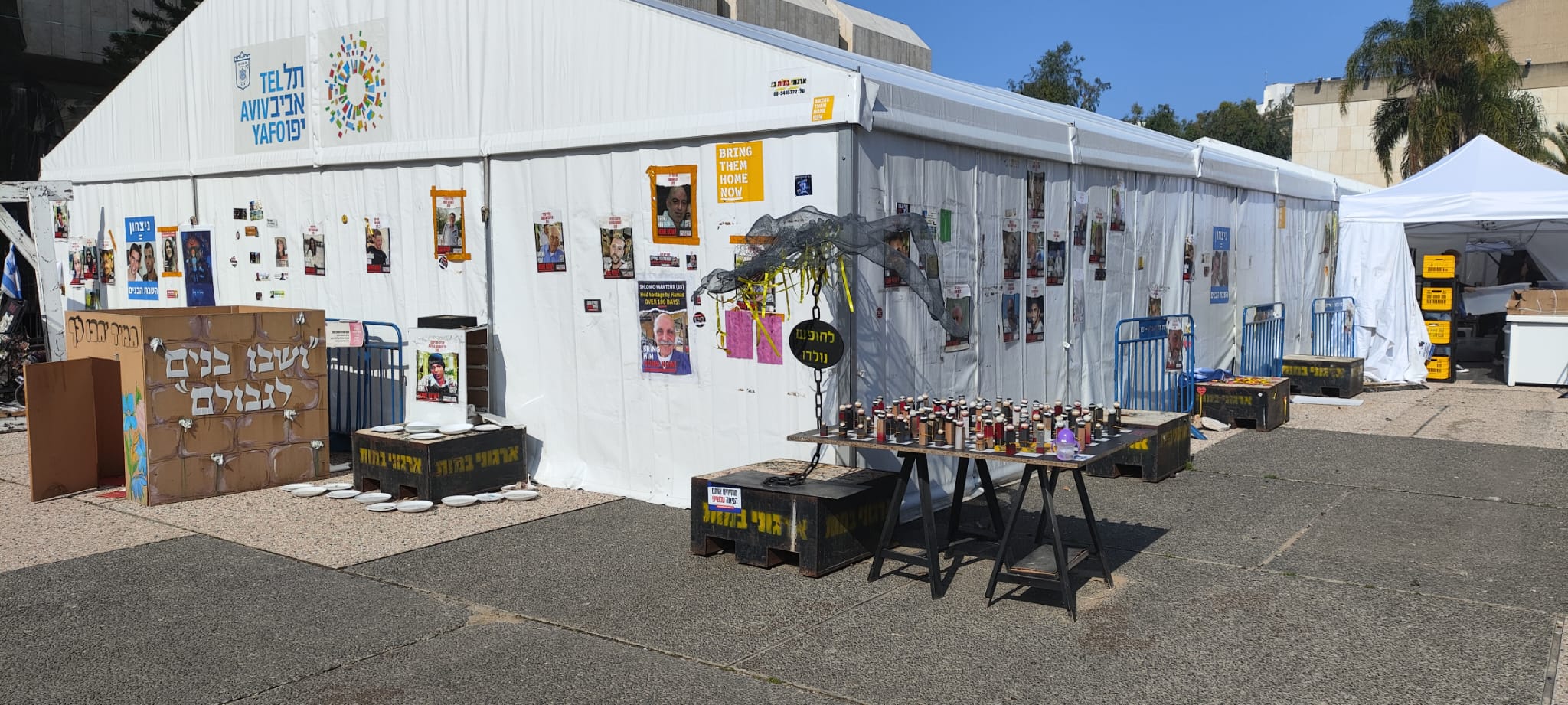
Hostages Square
Hostages Square (Photo: Yehuda Glickman)

Other governments also supported the arrangement

According to sources who served in the American administrations of Donald Trump and Joe Biden, the aid mechanism also received support from Palestinian officials, the UN, and European countries. However, the investigation expresses criticism of the structure that was created, in which Israel and Hamas held, in different ways, the ability to influence the flow of aid to civilians.

One source involved in the process described it this way: "Netanyahu and Hamas essentially hold the tap." According to him, Hamas could restrict the mechanism to apply internal pressure, while Israel could use it as leverage against the organization. Sources involved in the discussions believed that an alternative mechanism was needed that would strengthen the civilian population and allow it to exist without being dependent on Hamas or the Israeli government.

Even after Netanyahu lost power in 2021, the policy was not discontinued. Naftali Bennett, who as education minister in Netanyahu's government opposed the transfer of funds and called it "protection money," canceled the system of transferring cash in suitcases but did not stop all Qatari aid to the Strip. According to the investigation, even during Bennett's government, Israel sought to preserve the existing arrangement.

One of the significant details in the investigation concerns the weeks before Hamas's attack on October 7, 2023. According to a previous New York Times report, Mossad chief David Barnea arrived in Doha about two weeks before the attack and asked Qatar to renew funding for aid to Gaza.

Sources involved in the talks said the Qataris agreed but made clear that from their perspective, this was the last renewal. Barnea requested to extend the arrangement by an additional two months, based on the understanding that continued aid to civilians might give Hamas an interest in maintaining quiet and provide Israel with leverage to influence its conduct. The parties intended to subsequently examine Hamas's behavior and formulate a more stable mechanism.

Hamas's murderous attack on October 7, in which approximately 1,200 people were killed and 251 kidnapped, changed the picture completely. The policy built over years by Israeli governments, in cooperation with Qatar and international actors, has since become the focus of sharp public and political criticism.

Yonatan Urich
Yonatan Urich (Photo: Avshalom Sassoni/Flash90)

Netanyahu's critics have argued for years that he preferred to preserve Hamas rule in Gaza in order to prevent unity between the Strip, controlled by Hamas, and the Palestinian Authority in Yehudah and Shomron (Judea and Samaria), led by Fatah. According to the claim, the division of Palestinian leadership made it difficult to advance a political settlement and left the Palestinian issue without a solution.

The investigation also mentions statements attributed to Netanyahu at a 2019 Likud meeting, according to which anyone who wants to prevent the establishment of a Palestinian state must support strengthening Hamas and transferring funds to it. Netanyahu denied saying this in a 2024 interview with TIME, and claimed that the purpose of the funding was to prevent a humanitarian disaster and preserve basic civilian functioning in the Strip, including water, sewage, and school systems.

The Prime Minister's Office declined to comment on the investigation. Meanwhile, Qatar rejected claims that its aid was intended to fund Hamas. A spokesman for Qatar's International Communications Office told the magazine that all financial aid and humanitarian equipment were transferred through mechanisms coordinated with Israel and with international partners.

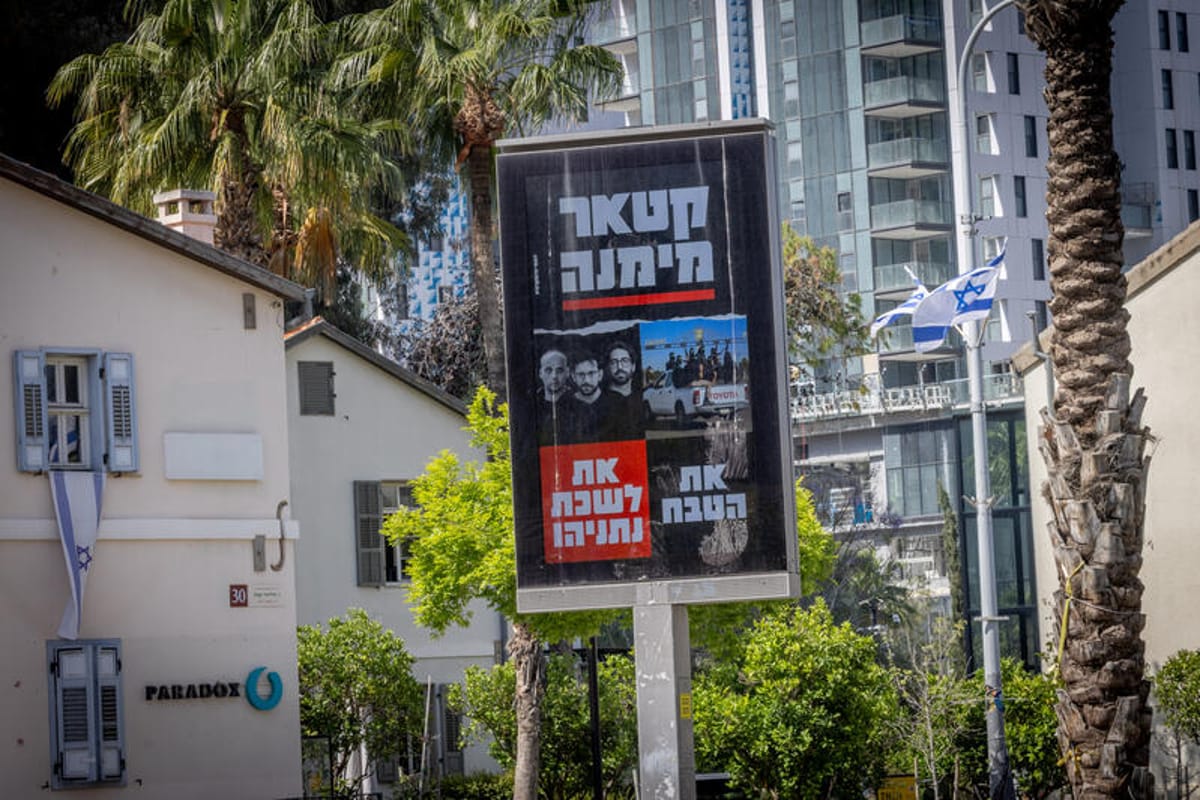
The investigation comes against the backdrop of the political storm in Israel surrounding the Qatar affair and the involvement of Netanyahu associates. As reported in Kikar Hashabat, the prime minister's adviser, Yonatan Urich, asked ChatGPT to formulate a strategic plan to improve Qatar's image. Following the exposure, Tzachi Braverman, Netanyahu's chief of staff, threatened a lawsuit against Gadi Eisenkot following an election campaign that linked him to Qatar.

Ready for more?

Join our newsletter to receive updates on new articles and exclusive content.

We respect your privacy and will never share your information.

Enjoyed this article?

Yes
No
Follow Us:

Unmissable content


Loading comments...

Also of Interest