Get our mobile app
Download on the App StoreGet it on Google Play

The Obstacle Is Gone

Congress OKs Saudi F-35 Sale

30-day review window expires with no blocking resolution • 48 stealth fighters approved for Riyadh in $24.3 billion package • Israel preparing demand for advanced weapons to preserve military edge

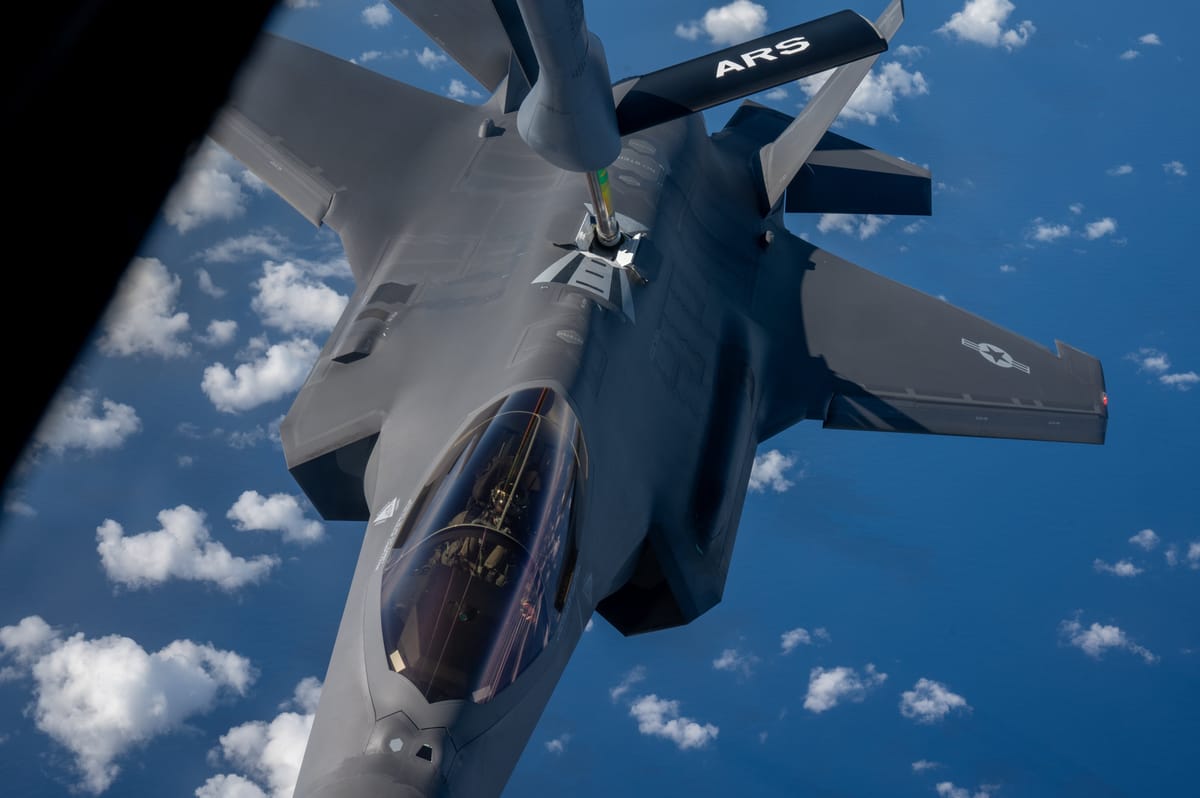
F-35 Lightning II stealth fighter

On September 17, the U.S. State Department formally notified Congress of a possible military sale of 48 F-35A Lightning II fighters to the Kingdom of Saudi Arabia, valued at an estimated $24.3 billion. The package includes 49 Pratt & Whitney F135-PW-100 engines and extensive support equipment, secure communications systems, encryption, electronic warfare support, spare parts, simulators and training.

Under the Arms Export Control Act, Congress was given approximately 30 days to file a resolution of disapproval. Senator Rand Paul introduced such a resolution on September 24, but it remained in the Senate Foreign Relations Committee without a floor vote. On October 17, the review window expired without a successful blocking resolution, an outcome consistent with the law's history, under which no major arms sale has ever been definitively blocked.

The removal of the congressional obstacle now allows the U.S. administration to proceed to signing a Letter of Offer and Acceptance with Riyadh, followed by contracting with Lockheed Martin and Pratt & Whitney for production and delivery.

Saudi military
Saudi military (Photo: Kingdom of Saudi Arabia Ministry of Defense)

Extended Timeline

Even after the letter is signed, delivery is not immediate. Experience from other countries that have purchased the aircraft points to an average of roughly four to six years from signature to delivery of the first jet. Estimates suggest deliveries could begin around 2030–2032, with full operational capability potentially extending into the mid-2030s. The backlog in F-35 production, the need for unique modifications, and the training of Saudi air and ground crews all lengthen the process.

The Royal Saudi Air Force already operates an advanced fleet of F-15SA and Typhoon fighters. The F-35 is intended to enhance deterrence against Iran and the Houthis, interoperability with U.S. and NATO forces, and homeland defense, as stated in the State Department notification.

The United States is bound by law to preserve Israel's qualitative military edge in the Middle East. The official notification states that the sale "will not alter the basic military balance of power in the region," but analysts emphasize that concrete restrictions will be required.

Israel currently operates the customized F-35I "Adir" variant, with Israeli electronic warfare systems, local weapons integration and greater autonomy. The Israeli fleet numbers around 50 aircraft, with plans to expand to 75 and beyond. By contrast, the Saudi version is expected to be more restricted, without the ability to make independent modifications, with limitations on software, advanced electronic warfare systems and certain weapons.

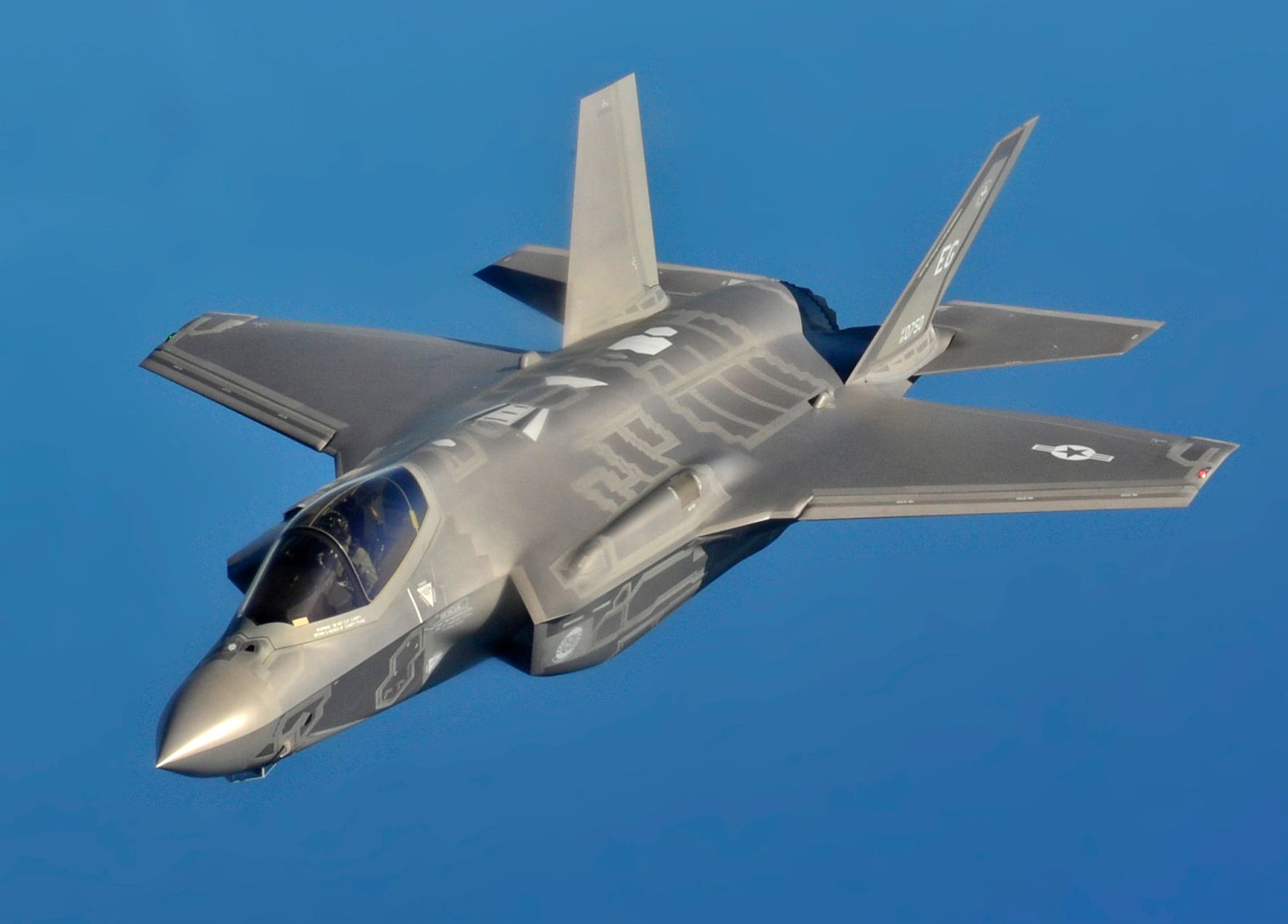
U.S. Air Force F-35A
U.S. Air Force F-35A (Photo: Public domain)

Jonathan Ruhe, director of foreign policy at the Jewish Institute for National Security of America (JINSA), noted that "Israel's qualitative edge is a central factor in any regional integration, and it must be reflected in any possible F-35 deal with the Kingdom." According to him, Riyadh must demonstrate commitment to a U.S.-led security architecture.

Israeli sources reported that the defense establishment is preparing to demand a "compensation package" that includes access to autonomous strike systems, partnership in the development of Arrow 4 and 5 missiles, bunker-buster bombs, and advanced satellite systems, systems the U.S. has so far refused to supply in full.

U.S. intelligence community reports have warned that Saudi Arabia's economic, security and technological ties with China could allow Beijing access to sensitive F-35 technologies, particularly radar and intelligence systems. Recommendations include restricting access to bases where the aircraft will be stationed to U.S. and Saudi nationals only, and removing Chinese equipment from critical infrastructure.

Members of Congress, including Representative Raja Krishnamoorthi, have voiced opposition on the grounds that the deal could place "the crown jewel of American technology" within reach of the Chinese Communist Party.

The removal of the congressional obstacle marks a significant shift in U.S. policy: from ending Israeli exclusivity on the F-35 in the region to controlled management of its distribution. The deal strengthens the U.S.-Saudi strategic partnership within the framework of the broader 2025 defense agreements, but requires a delicate balance among deterrence against Iran, preservation of Israel's edge, and prevention of technology leakage to China.

Ready for more?

Join our newsletter to receive updates on new articles and exclusive content.

We respect your privacy and will never share your information.

Enjoyed this article?

Yes
No
Follow Us:

Unmissable content


Loading comments...

Also of Interest