Get our mobile app
Download on the App StoreGet it on Google Play

Climate Change Impact

Nepal Glacier Collapse Kills Over 700

Scientists struggle to explain the catastrophic flooding along the Hotakoshi River, where melting ice and underground water combined to create an unprecedented deluge

Flooding in Nepal

The deadly disaster that recently struck the Nepal-China border region didn't begin with storm clouds or torrential rain. Instead, it started with what seismological monitoring systems initially misread as an earthquake registering 5.2 on the Richter scale along Nepal's Hotakoshi River. But the ground hadn't shifted on its own.

A massive ice block measuring 600 meters wide had broken away from a mountain peak, plummeting more than 2,000 meters down the slope at speeds reaching 193 kilometers per hour. As it fell, the glacier swept up tons of rock and muddy soil, creating a lethal torrent that destroyed everything in its path.
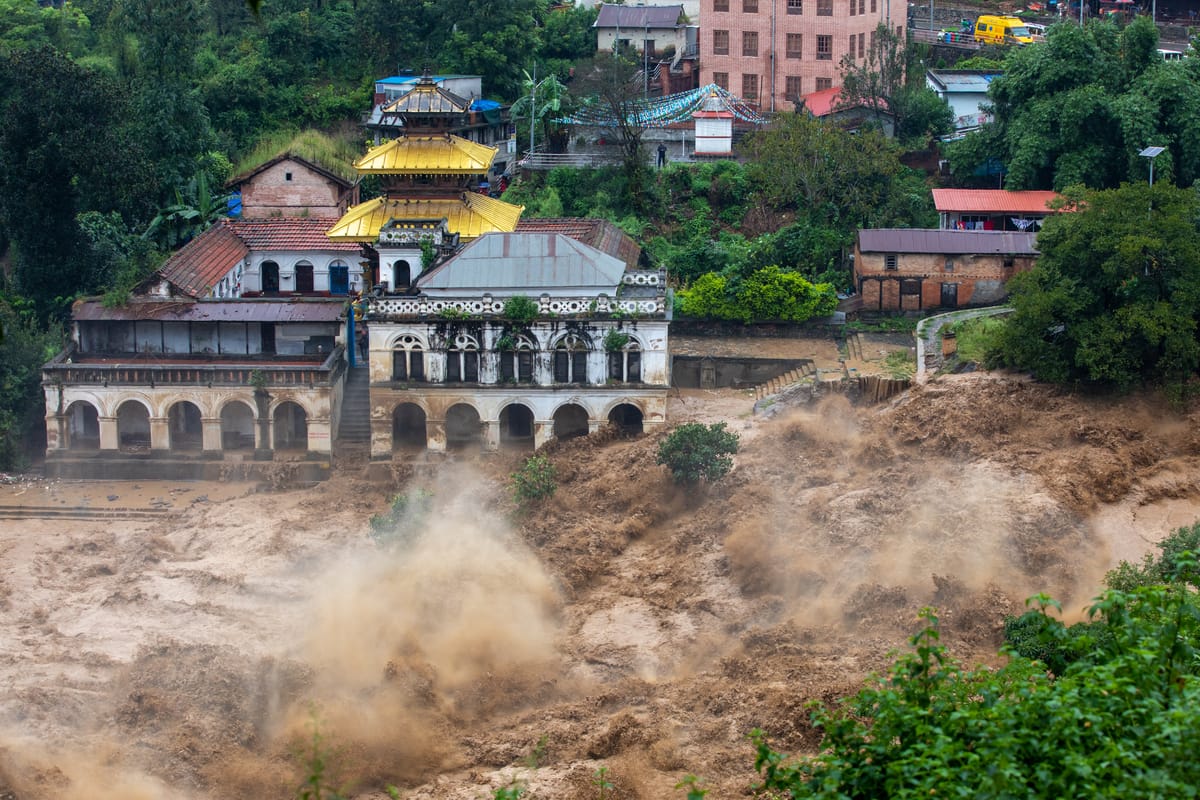
The glacier collapse and resulting floods have claimed more than 700 lives to date, with over 2,500 residents in the Hotakoshi River area still listed as missing, including several Israelis who have lost contact with their families. Nepalese authorities have not yet begun to assess the massive damage to infrastructure and private property caused by the disaster.

Flooding in Nepal
Flooding in Nepal (1235yiutr\shutterstock)

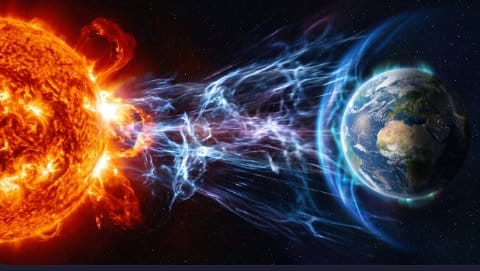
Climate change acts on the Himalayas like a microwave set to defrost. The rate at which Himalayan glaciers are breaking down has doubled since the year 2000, destroying what scientists describe as the "ice glue" that effectively holds these massive mountains together as a unified mass. As the ice cracks and weakens, gravity takes over: massive internal pressure fractures the mountain's solid structure until the inevitable moment when a large mass of rock and ice breaks free and collapses to the ground within seconds.

Global warming
Global warming (AI Generated)

One of the most perplexing questions still confronting researchers is the source of the water. Satellite imagery documenting the unusual disaster in Nepal showed a flood of unprecedented scale that no physical formula could explain based solely on the melting of the ice mass that fell from such a height.

The leading theory among scientists is that the tremendous energy released by the falling glacier acted like a fast-moving fist, rupturing underground "water pockets" that had been trapped deep within the mountain. This has revealed to researchers an entirely new and previously hidden hydrological phenomenon.

The most significant conclusion researchers have reached is that as these unusual events are identified through increasingly advanced and sophisticated warning systems, it may become possible to prevent the next major disaster.

Ready for more?

Join our newsletter to receive updates on new articles and exclusive content.

We respect your privacy and will never share your information.

Enjoyed this article?

Yes (22)
No (1)
Follow Us:

Unmissable content


Loading comments...

Also of Interest