Overshadowed by the conflict with Iran and other headlines, President Trump's dramatic move with Venezuela represents a historic development that could fundamentally alter global power structures, with significant implications for the Middle East and Israel.
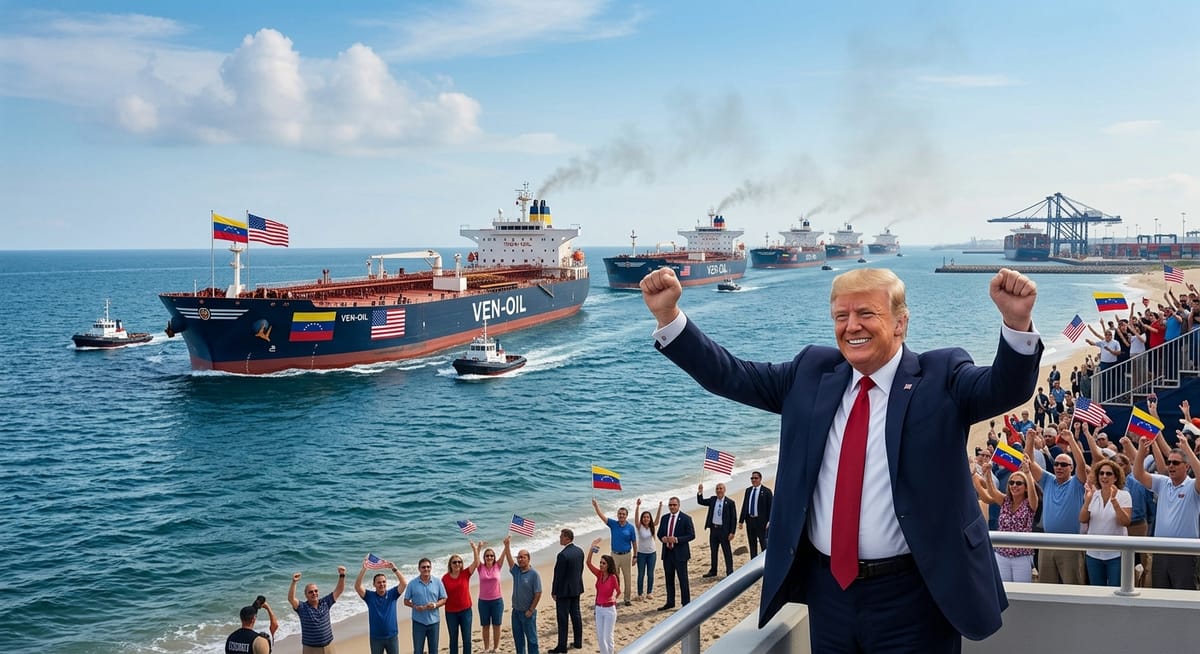
Over the weekend, Trump announced an unprecedented ownership agreement under which Venezuela has transferred rights and control over oil reserves estimated at more than 65 billion barrels to American hands. U.S. companies will manage the drilling operations and oil extraction, with most of the output destined for American refineries before entering global and domestic markets.
Few realize that Venezuela, which has effectively become a semi-protectorate of the United States since Trump took office and Venezuelan President Maduro was captured, possesses the world's largest proven oil reserves, surpassing even Russia and Saudi Arabia. Yet corruption, mismanagement, lack of maintenance, and insufficient technological capacity have prevented the country from exploiting these tens of billions of barrels.
Under the deal Trump announced, roughly half of Venezuela's oil will now be managed by American interests. U.S. oil companies will provide the technology and construction capabilities needed for the required drilling operations, and will oversee the extraction and refining of the resource, most of which will flow directly to the American market.
This represents a dramatic move of historic proportions. The agreement gives the United States control over more than 65 billion barrels of oil for at least a century. These are staggering quantities that could satisfy even America's thirst for oil for many years to come. Trump has already announced plans to use this oil to replenish strategic reserves, which were largely depleted during the war with Iran.
Many Middle Eastern nations, particularly Saudi Arabia and Iran, are viewing this development with considerable alarm. Until now, Venezuela was part of the Saudi-led OPEC oil cartel, which imposed significant production limits to protect Saudi profit margins. According to reports, Trump is also expected to push for Venezuela's withdrawal from OPEC.
Such a move, combined with the United Arab Emirates' departure several months ago, could flood the global market with cheap, accessible oil from reliable sources. Additionally, it would enable a bypass of the Strait of Hormuz, a strategic waterway through which much Middle Eastern oil passes, thereby breaking Iran's economic stranglehold on the global economy.