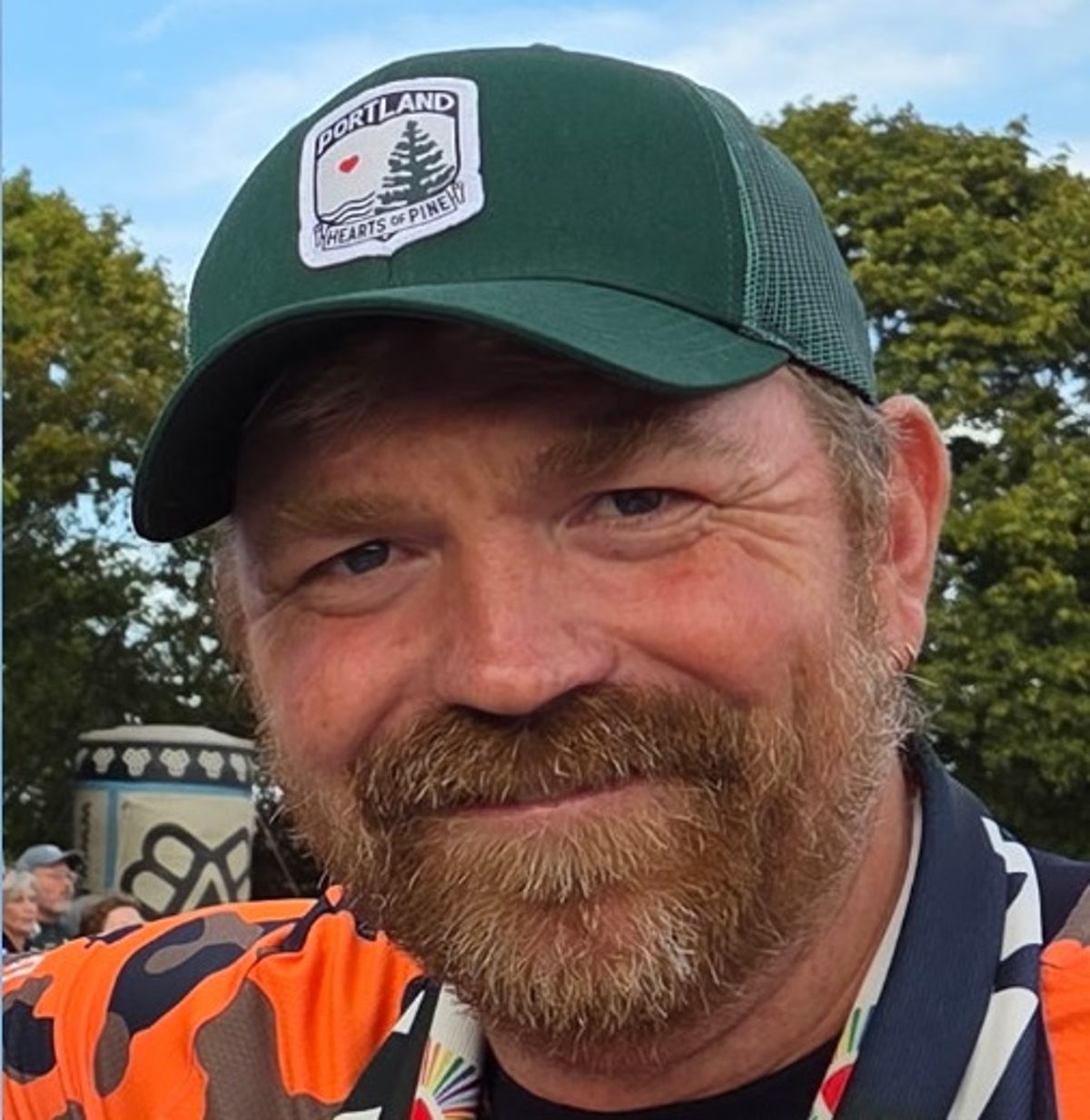
Graham Platner ended his campaign for the United States Senate in Maine on Wednesday night, days after a woman he had previously dated accused him of sexually assaulting her in 2021. The withdrawal leaves Democrats without a nominee in one of the party's most closely watched paths back to a Senate majority this November.
Platner, an oyster farmer and political newcomer who built a populist campaign that unexpectedly overtook establishment favorite Governor Janet Mills earlier this year, posted an eleven minute video to social media announcing that he was suspending his campaign operations and intended to file paperwork to withdraw from the ballot. He denied the allegation, insisting the decision was not an admission of guilt, and instead blamed what he described as political and media pressure for forcing his hand. A second woman also came forward this week, telling the Washington Post that Platner had removed a condom without her consent during a sexual encounter.
The allegations, first reported by Politico, triggered a swift collapse in support from Democratic leadership. Senators Elizabeth Warren, Ruben Gallego and Bernie Sanders, along with Representative Ro Khanna, all withdrew their endorsements or called publicly for Platner to step aside, with Khanna describing the allegations as serious and credible. Senate Minority Leader Chuck Schumer and the Democratic Senatorial Campaign Committee reportedly made clear that national resources would not be directed toward the race so long as Platner remained on the ballot, a warning widely seen as the decisive blow to his candidacy.
Under Maine election law, the state Democratic Party can select a replacement candidate if Platner formally withdraws by five in the afternoon on July 13. The party would then have until five in the afternoon on July 27 to name his successor, an unusually compressed timeline for choosing a nominee to face Republican Senator Susan Collins in the general election. Maine party officials said members had already voted to hold a nominating convention to select a new candidate once a vacancy is confirmed.
Several names have already surfaced as potential replacements, among them former Maine Center for Disease Control and Prevention director Nirav Shah, Secretary of State Shenna Bellows, former state Senator Troy Jackson, who has said he is entering the race, and brewery owner Dan Kleban, who briefly ran for the seat last year before endorsing Mills.
The race is considered pivotal to Democratic hopes of retaking the Senate, since the party needs a net gain of four seats nationally and Collins represents one of only a handful of genuinely competitive seats held by a Republican. Collins, first elected in 1996 and now seeking a sixth term, had once pledged to serve no more than two terms.