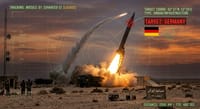
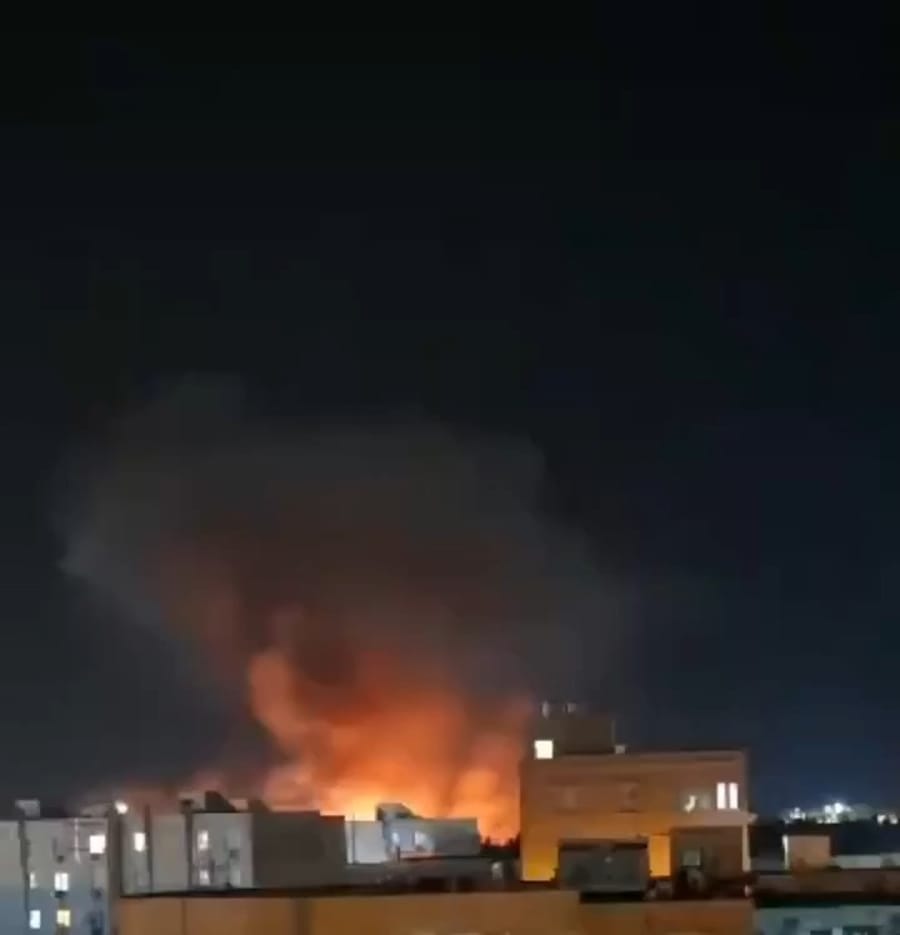
The United States military has significantly amplified its aerial operations in the Middle East, launching a massive wave of coordinated airstrikes that are much wider in scope than previous engagements. The Pentagon has systematically targeted critical infrastructure along the Iranian coastline to completely degrade the regime's offensive capabilities. The sudden escalation marks a definitive shift in American policy, signaling a readiness to sustain active combat operations to protect international trade routes.
A key indicator of this expanded campaign is the strategic return of American military refueling aircraft to the Middle East, reversing their previous deployment to European bases. These vital tankers had been moved out of the region after the signing of a prior memorandum of understanding, which was originally intended to end the war. The redeployment of these long range assets confirms that Washington is preparing for extended, high intensity aerial operations.
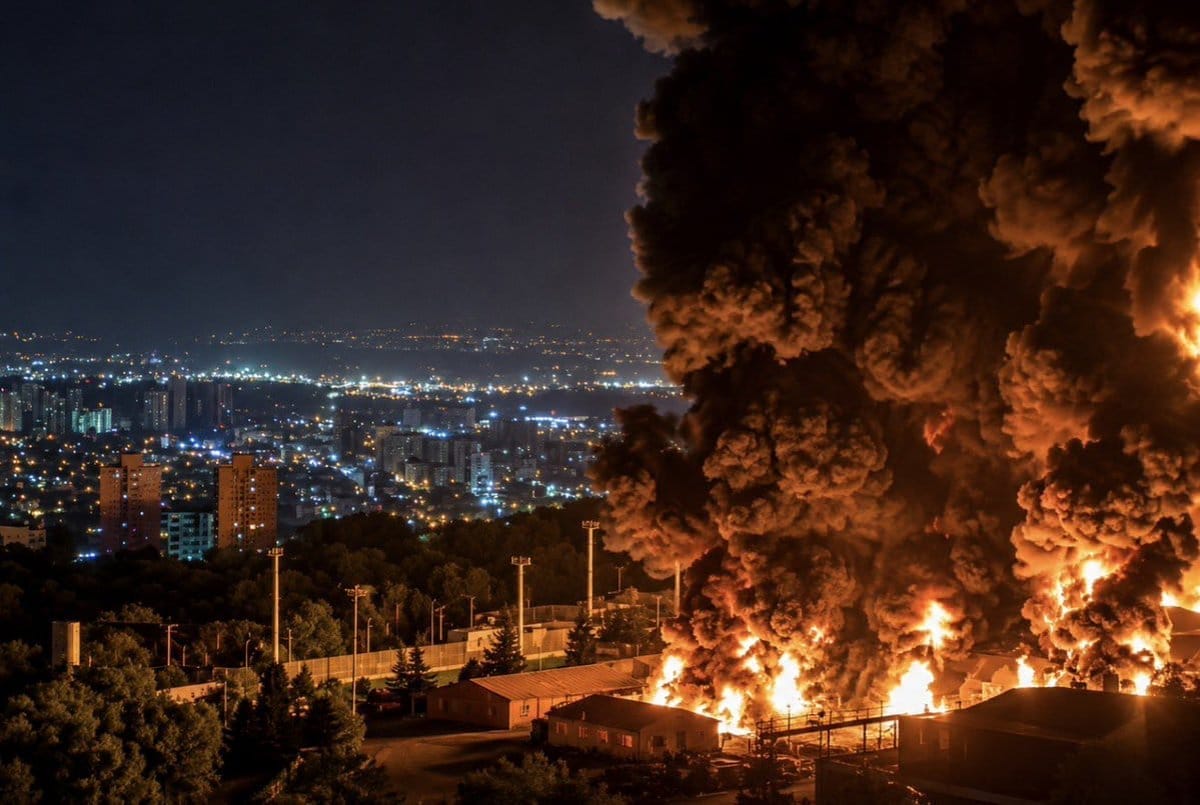
The latest wave of precision strikes has inflicted extensive damage across multiple provinces, focusing heavily on the strategic port city of Chabahar. Powerful explosions have been reported near Konarak and Chabahar, resulting in widespread power outages near the primary naval installation. Newly released footage from the ground confirms that an Islamic Revolutionary Guard Corps naval base in Chabahar is burning extensively after sustaining multiple direct hits.
The strategic targets neutralized during the overnight operation include coastal radar installations, anti-ship missile positions, and advanced air defense networks. Heavy bombardment was also directed at Qeshm Island, Kharg Island, Lavan Island, Kish, and the port of Sirik, where an entire guard barracks was destroyed. Furthermore, precision ordnance struck an anti-aircraft installation adjacent to the Bushehr nuclear facility, though reports indicate the main power plant itself was left entirely unaffected.
United States Central Command released an official statement confirming the expansion of the air campaign, declaring, "At the direction of the Commander in Chief, U.S. Central Command forces have started conducting additional strikes against Iran to further degrade their ability to threaten freedom of navigation in the Strait of Hormuz." The military leadership added, "The United States is holding Iran accountable for recent unjustified aggression against commercial shipping and civilian crews freely navigating a vital international waterway."
The political leadership in Washington has reinforced this military message with severe warnings regarding the economic consequences of blocking international shipping lanes. Vice President JD Vance issued a stern declaration to the regime, stating, "If Iran tries to close the Strait of Hormuz down, there's going to be a response for the American military. It's that simple, that's the deal. They can either follow it or they can have exactly what happened last night." Vance emphasized that military action will persist until Iran completely opens the shipping lanes and stops attacking vessels, promising a stronger blow than ever before if the targeting of commercial ships continues.