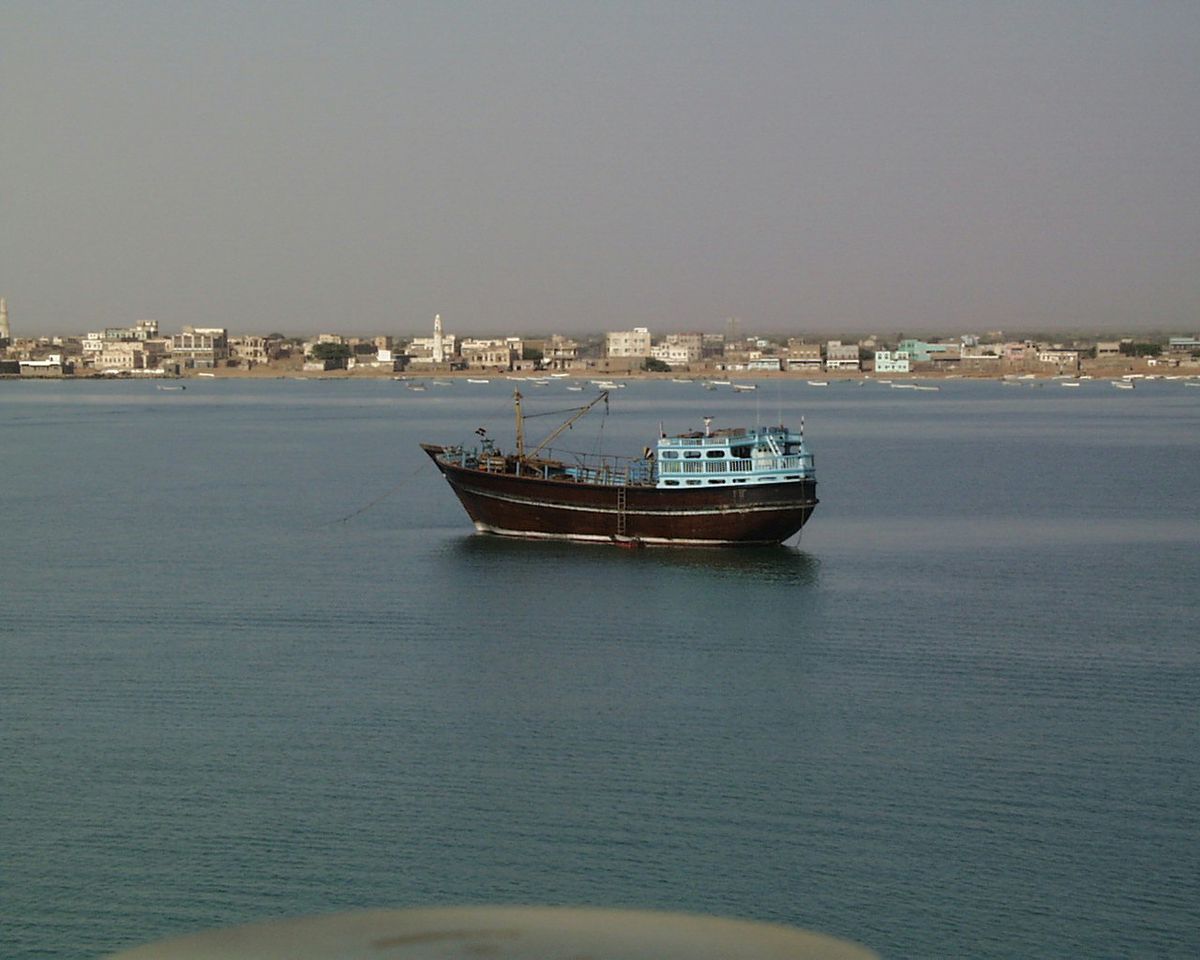
Houthi forces have taken control of Mocha, the Red Sea port city in southwestern Yemen, three anti-Houthi Yemeni government officials told Reuters on Thursday. Four Yemeni military sources said the group is close to full control of Mocha and of Dhubab, the town that sits directly on the Bab el-Mandeb Strait, as it pushes to take the entire Yemeni Red Sea coastline.
Mocha lies under 50 miles north of the strait. Its capture follows weeks of Houthi advances against forces aligned with Yemen's internationally recognized government and backed by Saudi Arabia, in fighting that Yemeni sources describe as tilting toward a resumption of full-scale war.
The port has been under sustained attack since early August, when more than 25 missiles struck it in a matter of days and forced operations to halt. A Houthi strike on the city on August 9 killed seven people, including military personnel and civilians, and wounded 30.
Yemeni officials had warned this was coming. Information Minister Moammar al-Eryani said last month that the Houthis were working to create the conditions for seizing control of Bab el-Mandeb by expanding along the western coast and moving on government-held islands in the Red Sea. Major-General Sadeq Duwaid, spokesman for the National Resistance Forces holding areas near the strait, said the group's aim was to turn Bab el-Mandeb into something resembling the Strait of Hormuz.
That comparison is the point. With Hormuz largely closed to traffic since Iran shut it earlier this year, Bab el-Mandeb has become the principal alternative route for Saudi oil exports, and the Houthis declared a naval blockade on Saudi shipping in the Red Sea in July. Control of the coastline would extend their reach over traffic bound for the Suez Canal, and over the southern approach to Eilat.
Galei Tzahal military correspondent Doron Kadosh, reporting the Mocha takeover, wrote that a strengthened Houthi position on the Red Sea coast is a development Israel should find troubling, and one that may require broader Israeli naval activity around the strait.
Kadosh cited an interview he conducted this week with the commander of the Navy's missile boat flotilla, who said the problem at Eilat port needs solving and is not being denied, that the Navy knows how to operate in Bab el-Mandeb and has done so, and that it holds an operational plan for every maritime area where an enemy is present. Acting on it, the commander said, requires a decision from the General Staff.
The advance also carries a wider signal. Iranian-backed groups have lost ground in Gaza, Lebanon, Syria and Iraq over the past two years. The Houthis are the exception, and Mocha is the clearest evidence of it.