Get our mobile app
Download on the App StoreGet it on Google Play

Shadow war in Iraq

Iraq Suspects Israeli Strikes on Militia Depots

Iraqi authorities believe Israeli airstrikes last week hit two militia sites near Baghdad that stored Chinese-made shoulder-fired anti-aircraft missiles sent from Iran.

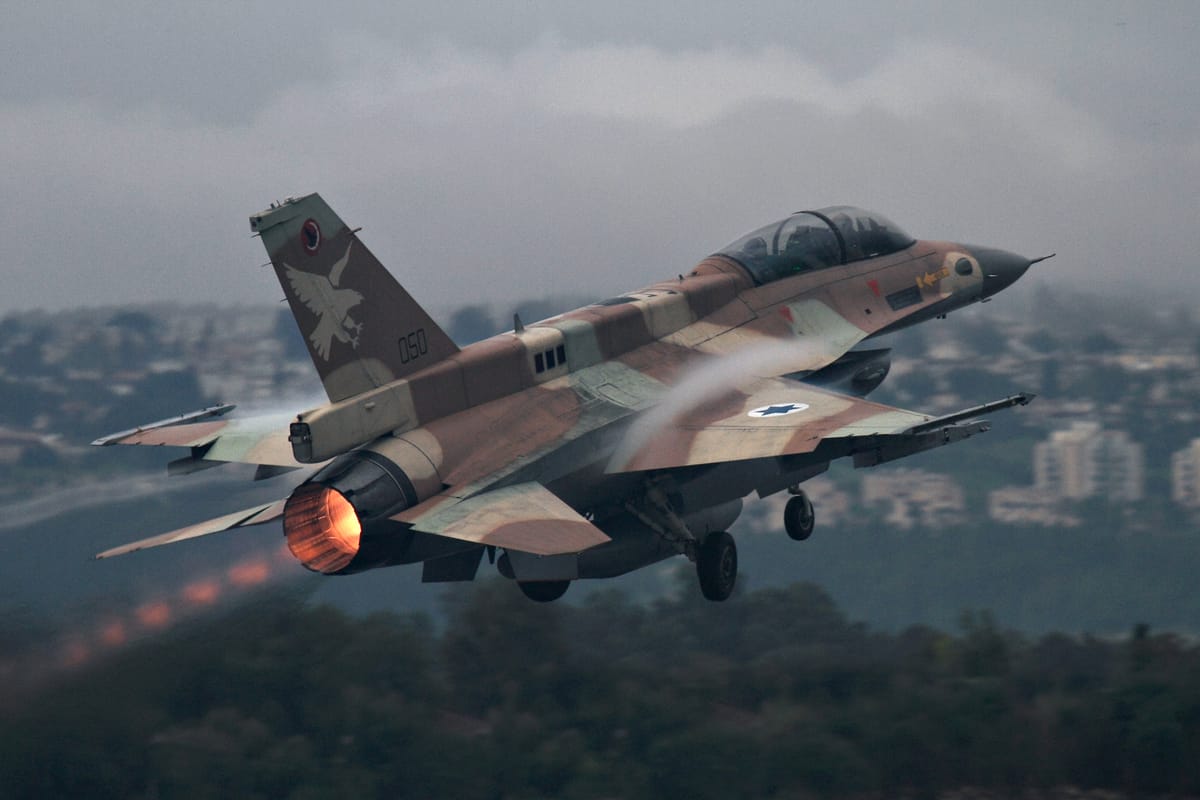
Israeli Air Force

Iraqi authorities suspect that Israeli airstrikes last week destroyed two sites near Baghdad. Iran-backed militias had been using the sites to hide Chinese-made shoulder-fired anti-aircraft missiles shipped in from Tehran, the newspaper Asharq Al-Awsat reported on Saturday, in a story carried by The Jerusalem Post and Ynet. Iran has spent years supplying these militias with missiles and drones capable of reaching Israel. After Hamas launched its war on October 7, 2023, the militias fired on the Jewish state many times.

In a separate incident, a series of explosions tore through a base of the Popular Mobilization Forces (PMF), known in Arabic as Al-Hashd al-Shaabi. The PMF is the umbrella body for Iraq's Shiite militias and also operates as an Iraqi government paramilitary force. The blasts caused casualties. Unofficial reports on channels linked to the militias blamed enemy aircraft.

For Israel, the threat posed by such weapons sits at low altitude. In an analysis, Ynet noted that the QW-12, one of the Chinese systems Iran reportedly sought to buy, has a published engagement ceiling of roughly 4,000 meters. Israeli strike fighters cruising above 30,000 feet fly well out of its reach. The weapons would instead endanger rescue helicopters sent to retrieve aircrew who eject over Iraq, as well as intelligence drones flying lower-altitude missions.
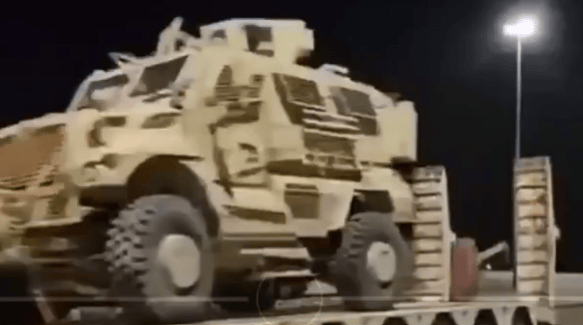

The strikes reportedly hit soon after the shipments reached the depots. One source explained why the militia had chosen the hiding place:

"The armed group that identified this location for storing air defense systems believed it was extremely difficult to access or detect…the suspected attack occurred shortly after the shipments arrived at the two storage sites."

A security official said investigators have not yet established what kind of strikes took place. The official added that they have gathered enough evidence to conclude Israel carried them out. Iraqi officials also conceded that the government has no conclusive proof of who was responsible. The report offered no evidence of its own and did not identify the exact missile system. It also could not independently confirm that the weapons had been moved into Iraq.

Asharq Al-Awsat also pointed to conflicting accounts of Israeli fighter jets crossing Iraqi airspace near the Iranian border, backed by aerial refueling tankers. None of those accounts has been independently verified. The Islamic Resistance in Iraq is a militia coalition that has attacked Israel and the US in the past. It claimed that Iraq's airspace was being violated.

An October 17 blast at a PMF ammunition depot in Baghdad's East Canal area has also come under scrutiny, and accounts of the casualties differ. The PMF said five of its personnel were lightly hurt. Security and medical sources quoted by Reuters put the toll at one dead and four wounded. A day after the blast, the PMF said initial forensic findings pointed to an internal malfunction rather than an outside attack, and that the investigation was still open. No connection between that explosion and the alleged strikes has been established.

Interest in the weapons stems partly from a Reuters report in July. Citing sources familiar with the deal, Reuters said Iran had agreed to purchase between 300 and 400 Chinese-made QW-12 and FN-16 shoulder-fired systems. China's Foreign Ministry denied the report, and delivery was never confirmed.

The US withdrew its forces from Iraq on September 30, The Jerusalem Post noted, and Washington has warned Americans not to travel to Baghdad because of the militia threat. On October 7, Western sources quoted by the Emirati news site Erem News said the US had lifted restrictions on Israeli Air Force operations over Iraq after the withdrawal.

Leaving Iraq
Leaving Iraq (Screenshot)
Ready for more?

Join our newsletter to receive updates on new articles and exclusive content.

We respect your privacy and will never share your information.

Enjoyed this article?

Yes
No
Follow Us:

Unmissable content


Loading comments...

Also of Interest