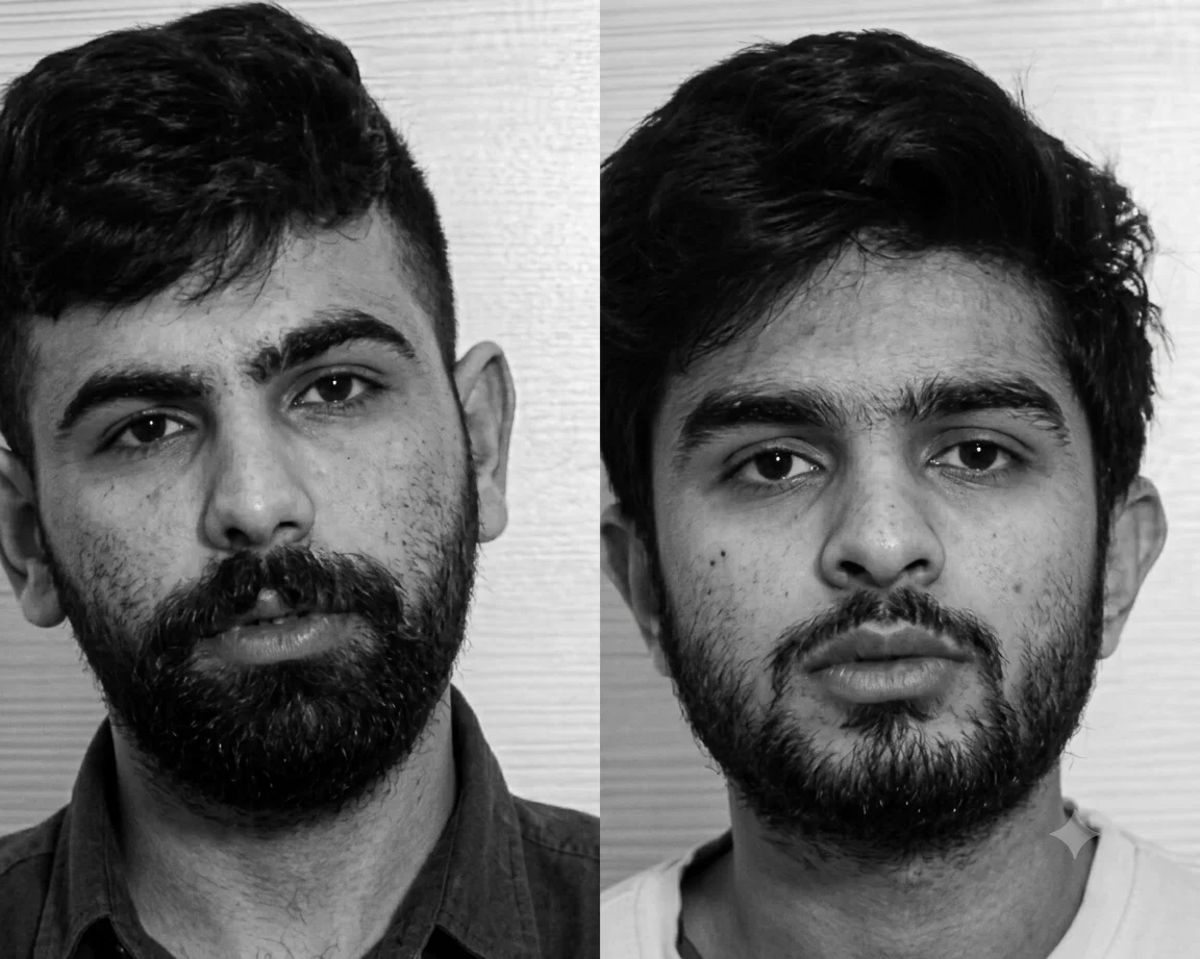
Iran's judiciary announced Monday the execution of two men convicted of espionage and collaboration with Israeli intelligence, bringing the execution count upward in what rights organizations describe as a widening surge in death sentences tied to alleged spying.
Omid Behzad and Pouria Safvat were hanged Monday morning, according to Mizan, the official media outlet of Iran's judicial authority. According to Iranian judicial statements, the two were convicted of "espionage and collaboration with the Zionist regime" and transmitting sensitive intelligence to Mossad operatives.
According to Iranian authorities' account, Behzad and Safvat provided coordinates, photographic documentation, and operational information on Iranian military, law enforcement, and security facilities to Israeli intelligence officers and communication channels during two periods of military engagement. Mizan stated that both men operated as operatives during what Iranian officials characterize as the "12-day war" in June and the "Ramadan War," additional military conflicts involving Iran, Israel, and the United States.
The judiciary's statement asserted that the two "helped the intelligence services achieve their objectives by providing them with information on military and security centres during the war." According to Mizan's account, the men transmitted precise geographic coordinates and targeting information that allegedly assisted Israeli forces in identifying and striking Iranian military facilities.
Iran's Supreme Court had upheld both death sentences prior to execution, and clemency requests were rejected, according to judicial announcements. The judiciary did not disclose the specific dates of arrest or trial proceedings for either individual.
The executions represent part of a documented increase in capital punishment across Iran since the outbreak of broader military conflict in late February, when large-scale US-Israeli strikes killed Iran's supreme leader. According to rights organizations including Amnesty International, Iran ranks as the world's second-most prolific executioner of individuals, trailing only China.
International human rights organizations have raised sustained concern regarding execution practices in Iran. Such groups document that Iranian courts frequently extract confessions from defendants through severe torture, threats against family members, and prolonged solitary confinement. Past cases have shown what rights advocates characterize as systematic use of coerced confessions to secure convictions against political opponents, protesters, and individuals accused of espionage—often without access to adequate legal representation or fair trial procedures.
The spike in executions coincides with what analysts describe as internal security tightening by Tehran's leadership. According to regional analysts, the regime is utilizing heightened military tensions and security concerns as justification for intensified domestic repression, deploying capital punishment at elevated rates both to deter civilian unrest and to establish control amid widespread economic hardship, inflation, and political instability.