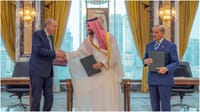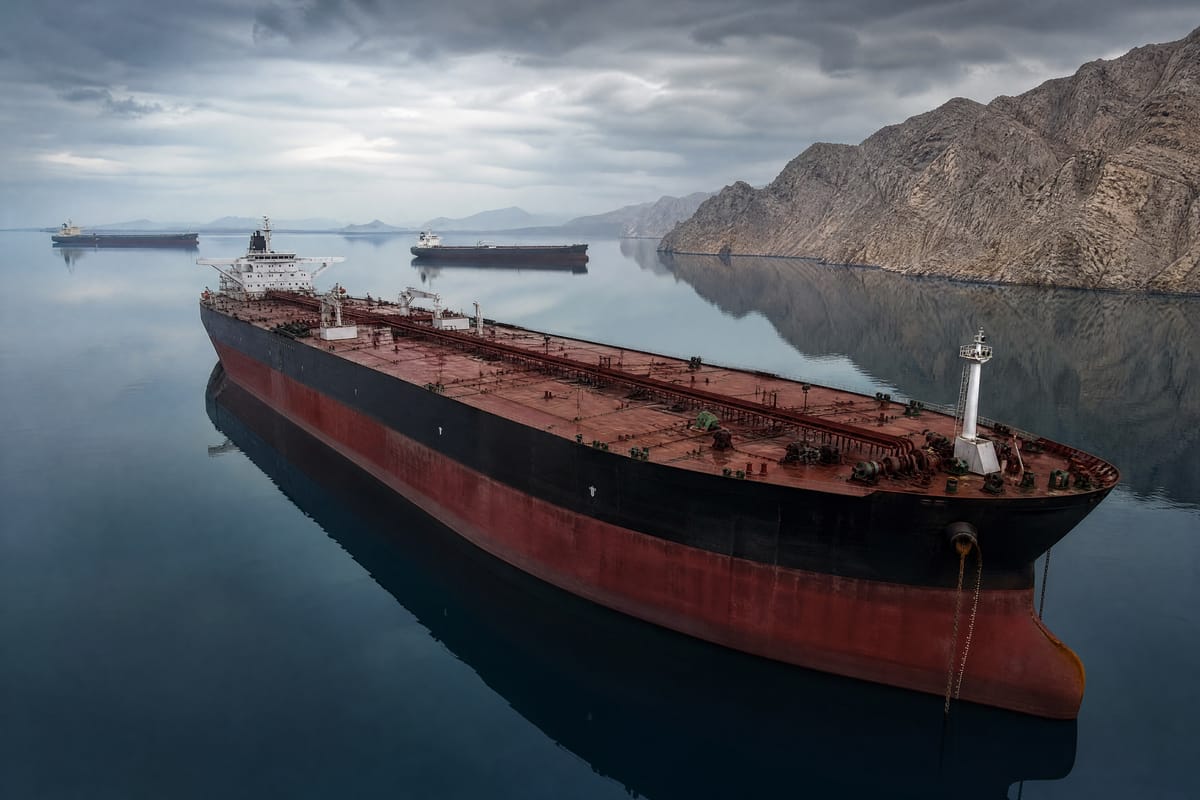
Iranian Foreign Minister Abbas Araghchi stated that negotiations between Tehran and Oman regarding maritime management in the Strait of Hormuz reached their final stages on Sunday. The announcement followed US President Donald Trump's decision to postpone a planned military campaign against Iran to allow diplomatic efforts additional time to secure a resolution.
Despite the reported progress in bilateral discussions, Iranian officials emphasized that a management agreement between Tehran and Muscat would not automatically dictate whether the strategic waterway reopens immediately to commercial traffic.
Iranian Foreign Ministry spokesman Esmaeil Baghaei addressed the ongoing negotiation process, noting that discussions aim to establish a mutual framework for regional shipping lanes. He asserted that maritime conditions in the strait will not return to pre-war arrangements.
"The situation in Hormuz will not be able to return to how it was before the war. We are currently conducting discussions with Oman on a transit route that will not pass through the northern route or the southern route," Baghaei stated.
The proposal outlined by Baghaei aligns with previous frameworks presented by Omani mediators, under which shipping traffic would utilize a central transit route split equally between Iranian and Omani operational jurisdiction. Iranian authorities previously rejected similar proposals during earlier diplomatic exchanges last week.
President Trump confirmed the postponement of planned military actions after receiving requests from regional partners seeking time to finalize terms. The emerging framework outlines an immediate opening of the Strait of Hormuz to international navigation alongside measures targeting Iran's nuclear development program.
President Trump noted that the suspension of military action remains contingent upon rapid progress in diplomatic channels, emphasizing that the United States and Israel are acting in full coordination regarding diplomatic steps. He added that military alternatives remain active should negotiations fail to produce a verifiable agreement.
According to statements provided to Srugim News, maritime security analysts note that establishing shared jurisdiction in the Strait of Hormuz requires technical protocols that remain subject to approval by military commanders in Tehran.