Get our mobile app
Download on the App StoreGet it on Google Play

Red Sea upheaval

Houthis seize Bab al-Mandeb Strait

Iran-backed forces capture strategic Mocha port and Perim Island, taking control of one of the world's busiest shipping lanes • American military equipment falls into rebel hands • Saudi Arabia requests US help as Britain deploys tanker aircraft

Houthis Seize Bab Al-Mandeb Strait in Swift Offensive, Capturing US Arms

In a coordinated offensive that began in September, Iran-backed Houthi forces have completed one of their largest territorial gains since the war began, sweeping through Yemen's western coast and seizing control of the strategic Bab al-Mandeb Strait.

The rebels captured the port city of Mocha on Yemen's western shore, advanced south toward Dhubab, and reached Mayun Island at the heart of the strait, alongside a broader takeover of the Hanish Islands. The waterway connects the Red Sea to the Gulf of Aden and carries a significant portion of global maritime trade.

Forces that had held the area until now , the National Resistance units commanded by Tariq Saleh, nephew of Yemen's former president and member of the Presidential Leadership Council, were forced to retreat under heavy pressure. These units, built and funded with close support from the United Arab Emirates to block Houthi expansion, left behind substantial military assets.


Among the installations that fell intact into rebel hands is the Bani al-Hakam airfield, an advanced military landing strip with a runway approximately 3.2 kilometers long, recently constructed with Emirati backing. Alongside it, fortified mountain outposts fell, including the al-Omari camp overlooking the strait directly, underground bunkers, advanced surveillance systems, and control anchors at Mocha port.

Yemeni and Western sources indicate the offensive was accompanied by deep advisory support and guidance from Iran's Revolutionary Guards. Footage circulating online shows military vehicles and combat equipment of American manufacture now in Houthi hands, seized after the rebels took over areas in western Yemen. The development carries both symbolic and strategic weight: weapons supplied to the opposing camp to contain the Houthis have ended up in the hands of the very organization they were meant to stop.

American weapons captured by Houthi forces
American weapons captured by Houthi forces (Photo: Arab networks)

While the Houthis present the move as "complete liberation of Yemeni soil" from foreign forces and distribute victory videos from inside captured bases, they are simultaneously running an aggressive propaganda campaign. As part of this effort, pro-Iranian axis elements are spreading false claims of "secret Israeli presence" in the strategic installations and islands, attempting to portray the Emirates as a subcontractor for Israel and the United States.

Professional sources and foreign intelligence make clear this is entirely fabricated disinformation without any evidentiary basis, designed solely to boost the Houthis' internal legitimacy and justify their seizure of shipping arteries critical to the world. A coordinated fake-news campaign on Arab networks previously claimed senior Hezbollah figures were killed in Yemen while abandoning Lebanon, but investigation proved it was planned manipulation.

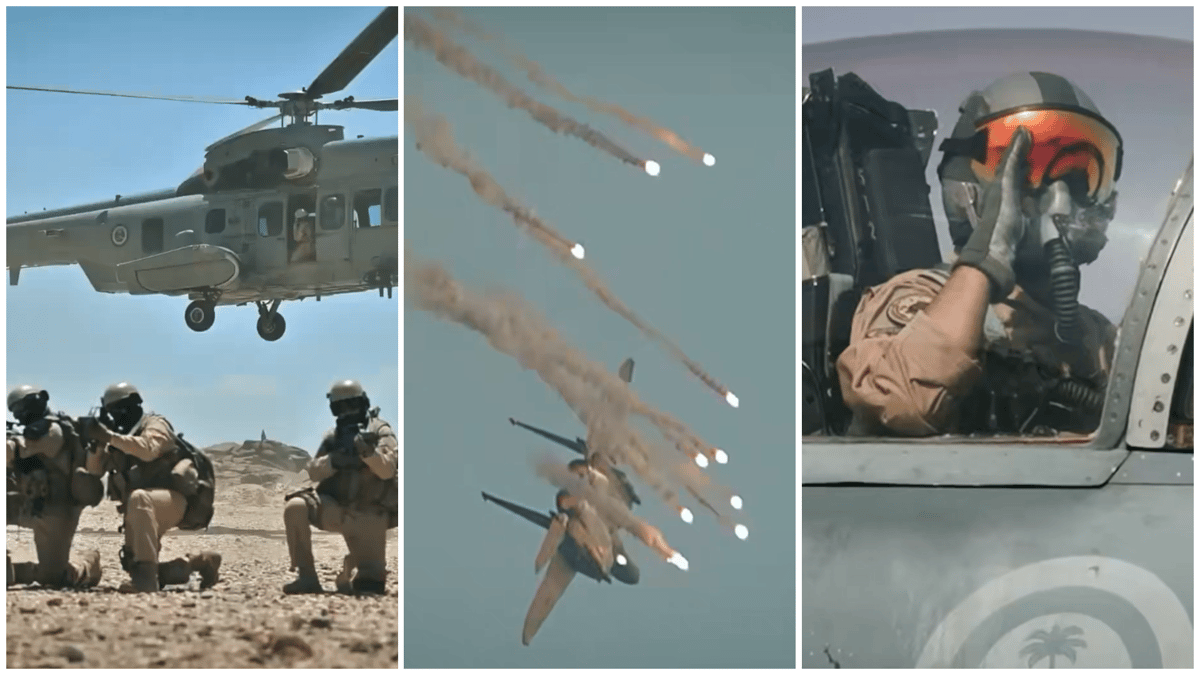
Against this backdrop, new footage of Saudi fighter jets has circulated online under the headline "Bin Salman sends a message to the Houthis." The video comes as the campaign in the region intensifies. In parallel, it has been revealed that Crown Prince Mohammed bin Salman approached US President Donald Trump requesting American assistance against the Houthi threat.

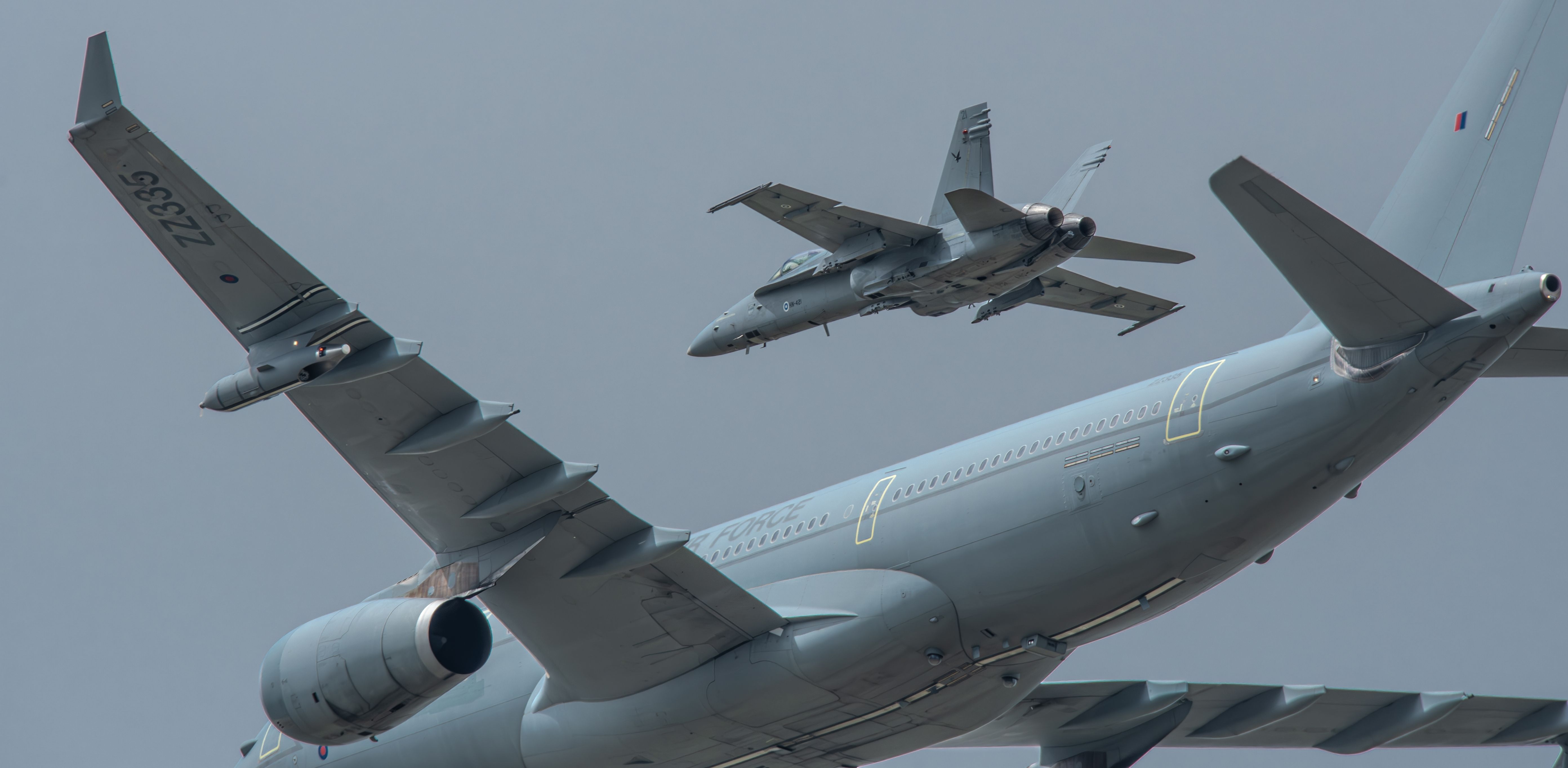
In response to the Houthi advance, British Prime Minister Andy Burnham announced in a surprise move that the United Kingdom would provide support to Saudi Arabia. According to the British Foreign Office, the assistance will be "defensive" and will include deployment of a Royal Air Force tanker aircraft to the Middle East to help Saudi Arabia refuel fighter jets in operations against the Houthis.

The Voyager aircraft providing refueling support is the primary aerial refueling and strategic transport aircraft of the Royal Air Force, based on the wide-body Airbus A330-200 passenger jet, and is considered the largest aircraft in the British Air Force's operational fleet.

RAF Voyager tanker aircraft
RAF Voyager tanker aircraft (Photo: Shutterstock)

The seizure of the Bab al-Mandeb Strait poses a direct threat to one of the world's most important shipping routes. Reports from Yemen point to mobilization by members of the Bani Hashish tribe and expressions of willingness to join the campaign toward Marib. Footage shows long convoys of Toyota vehicles mounted with weapons moving and gathering in desert areas.

The Houthis have intensified attacks against Saudi Arabia using missiles and drones. Previously, four crew members and two rescuers were killed in an attack carried out by the Iran-backed Houthi rebels on the cargo ship Tihamah in the Bab al-Mandeb Strait. Yemen's Ministry of Transport and Pakistan's Foreign Ministry confirmed that among the crew who lost their lives were three Pakistani citizens and one Indonesian national.

The situation places Riyadh before a growing challenge: on one hand, the Houthis have managed to advance and establish a foothold in areas adjacent to one of the world's most important maritime passages; on the other, Saudi Arabia still maintains significant air superiority and the capability to strike deep into Yemen.

Ready for more?

Join our newsletter to receive updates on new articles and exclusive content.

We respect your privacy and will never share your information.

Enjoyed this article?

Yes
No
Follow Us:

Unmissable content


Loading comments...

Also of Interest