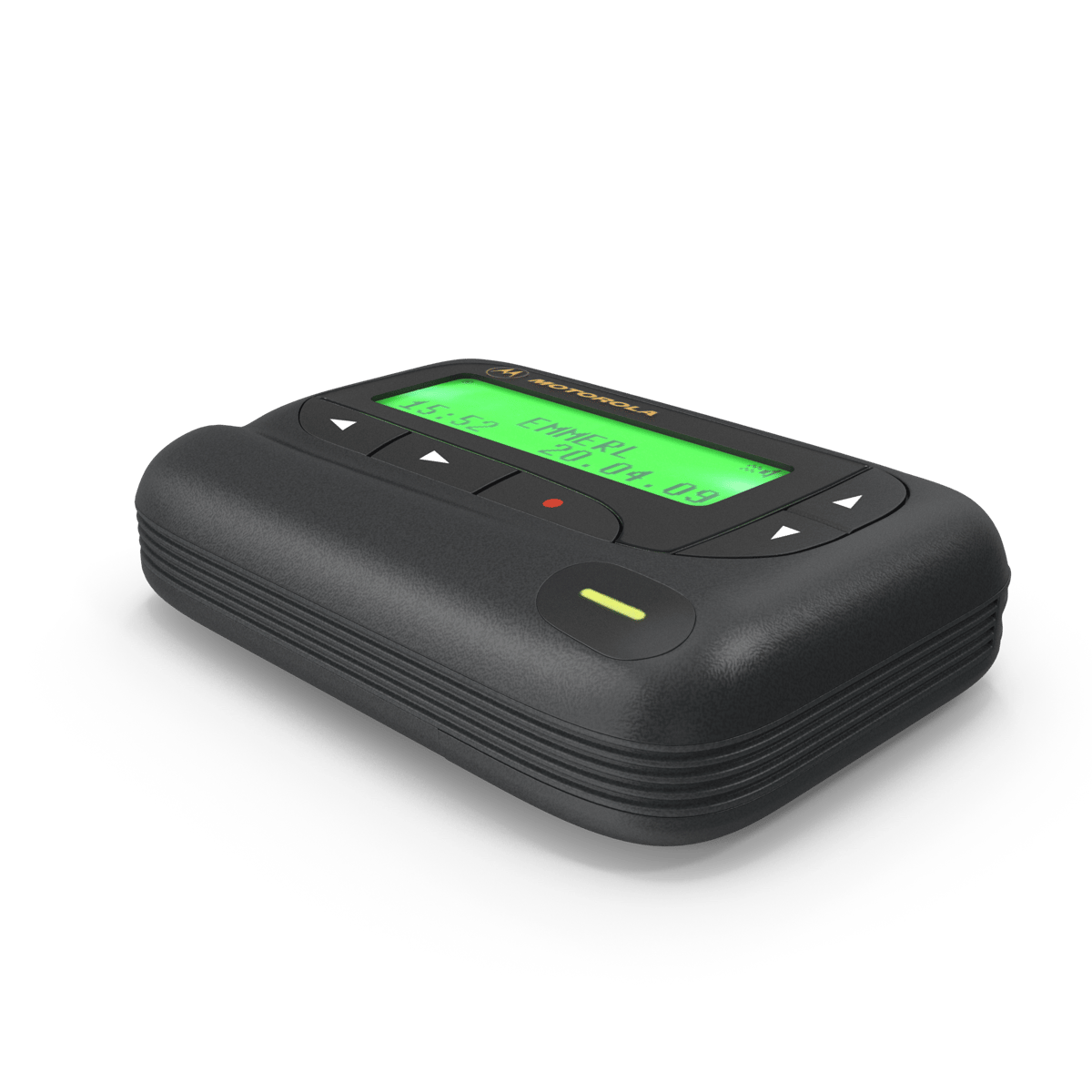
Iran had two security systems capable of detecting the tiny amount of PETN explosive hidden in the batteries of the pagers sold to Hezbollah, the Israeli intelligence website Intelli Times reported, shedding new light on why Israel moved against equipment sent to Lebanon in the weeks before the September 2024 operation.
According to the report, one of the devices brought to Lebanon was not a standard X-ray scanner but a portable system designed to detect and identify PETN, developed in Iran during 2023. Alongside it, Iran held an advanced X-ray system originally intended for explosives testing as part of its nuclear program.
Intelli Times reported that this was why Israel struck the equipment that reached Lebanon but could not prevent the more thorough inspection planned inside Iran, leaving Israel racing the clock before the pagers could be examined there.
The report follows disclosures cleared for publication by the military censor this week, in which former Defense Minister Yoav Gallant described how close the operation came to being exposed. Gallant said that in the first week of August 2024, Israel learned that a Hezbollah operative had begun to suspect the pagers, and eliminated him in a strike disguised to look as though another target was intended. Israel later destroyed Iranian-supplied scanning equipment brought in to examine the devices, again framing the attack as aimed at something else.
"The result is that you enter a situation, either you activate or it's exposed within a short time," Gallant said. Prime Minister Benjamin Netanyahu has previously said that in the third week of September, Israel learned that Hezbollah had sent three pagers to Iran for scanning.
The pagers, produced by an Israeli front company, contained batteries laced with small amounts of PETN, a military explosive chosen in part because it is difficult to detect. The detonations on September 17, 2024, followed a day later by exploding walkie-talkies, wounded thousands of Hezbollah operatives and dealt the terror group one of the most devastating blows in its history.
The new details emerge ahead of the October 30 US release of "Paging Hezbollah," a documentary about the operation.