The Israel Defense Forces concealed a Hezbollah drone attack on an Israeli force in southern Lebanon within the past 24 hours, with the incident confirmed by Ynet only after the news organization's reporting on the strike.
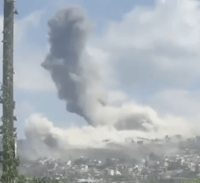
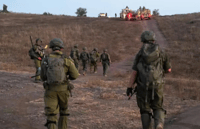
The drone strike near the Ali Taher Ridge area caused no casualties or damage to the IDF unit, but the military chose not to announce the attack despite its stated policy of transparency regarding operational incidents.
According to IDF assessment, the Hezbollah drone was not a random strike but a coordinated operation designed to assist terrorists in escaping from underground tunnels and routes in the Ali Taher ridge compound, according to reporting by defense correspondent Itai Blumenthal. The strike appears to have been intended as cover for operative movements within the subterranean infrastructure.
In response to inquiries about why the incident went unreported, the IDF released an unusual statement Thursday defending its selective disclosure practices. "The IDF releases information to the public based on professional considerations and situational assessments," an IDF spokesperson said. "The IDF spokesperson will not publish information that, according to the situational assessment, could endanger our forces operating in the combat zones."
The concealment comes as the IDF faces escalating challenges from Hezbollah's increasingly sophisticated drone operations in southern Lebanon. The terror group has significantly expanded its use of fiber-optic unmanned aerial vehicles—weapons immune to electronic jamming and extremely difficult to detect—since Israel's incursion into Lebanese territory began in March.
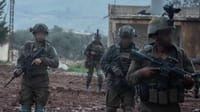
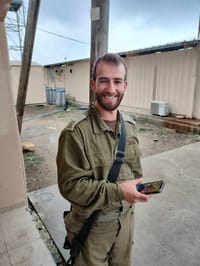
The incident also coincides with recent IDF losses in southern Lebanon. Two reserve soldiers—Major Harel Birenstock and Sergeant Major Tamir Vaknin of the 55th Paratroopers Brigade—were killed in an explosion classified as a ceasefire violation when they were clearing a booby-trapped building in southern Lebanon. Their deaths marked the first IDF fatalities since an unofficial ceasefire framework took effect in June.
The pattern of Hezbollah drone strikes in the Ali Taher ridge area has raised questions within Israel's political echelon about ceasefire compliance. According to defense officials, there have been broader discussions about the pace and nature of Israeli military responses to ceasefire violations by Hezbollah, with some instances not being immediately reported through command channels.
A senior IDF officer told Blumenthal that military leadership wants to neutralize the Ali Taher compound—described as "the last place in the security zone where there are definitely terrorists"—but faces restrictions from the political echelon. "We want to neutralize the compound, but we are limited by orders from the political level," the officer said, indicating tension between military assessments of operational necessity and political constraints on military action.
Last week, Hezbollah launched an unmanned aerial vehicle toward an IDF engineering vehicle operating in the same Ali Taher ridge area. That drone struck the engineering equipment but caused no casualties, Yehoshua reported. The attack demonstrated Hezbollah's continued targeting of Israeli equipment and personnel despite the ceasefire framework.
The patterns of disclosure being challenged by Yehoshua reflect a tension within the military regarding operational communication. On one hand, the IDF faces pressure to maintain operational security—disclosing every attack could reveal force positions and complicate command decisions. On the other, the Israeli public and political leadership rely on accurate information about security threats to assess military strategy and strategic decisions.
The concealment of routine drone strikes that cause no casualties represents a different category from information withheld for operational security reasons. Both the Ali Taher ridge attacks appear to be intelligence-gathering or targeting operations by Hezbollah that failed to result in harm to Israeli forces.
Yehoshua, military correspondent for Yedioth Ahronoth and an investigative reporter covering the Lebanon operation since March, has documented the IDF's evolving approach to disclosing attack incidents. His reporting has frequently highlighted gaps between publicly announced casualties and actual military losses.
Military leadership has expressed concerns about both the frequency of Hezbollah provocations and the challenges in formulating immediate responses without triggering broader conflict escalation.