Get our mobile app
Download on the App StoreGet it on Google Play

Economic Pressure

Iran's Deepening Fuel Crisis

Drivers wait hours at gas stations in Tehran only to find pumps empty, as production falls short of demand and sanctions bite harder

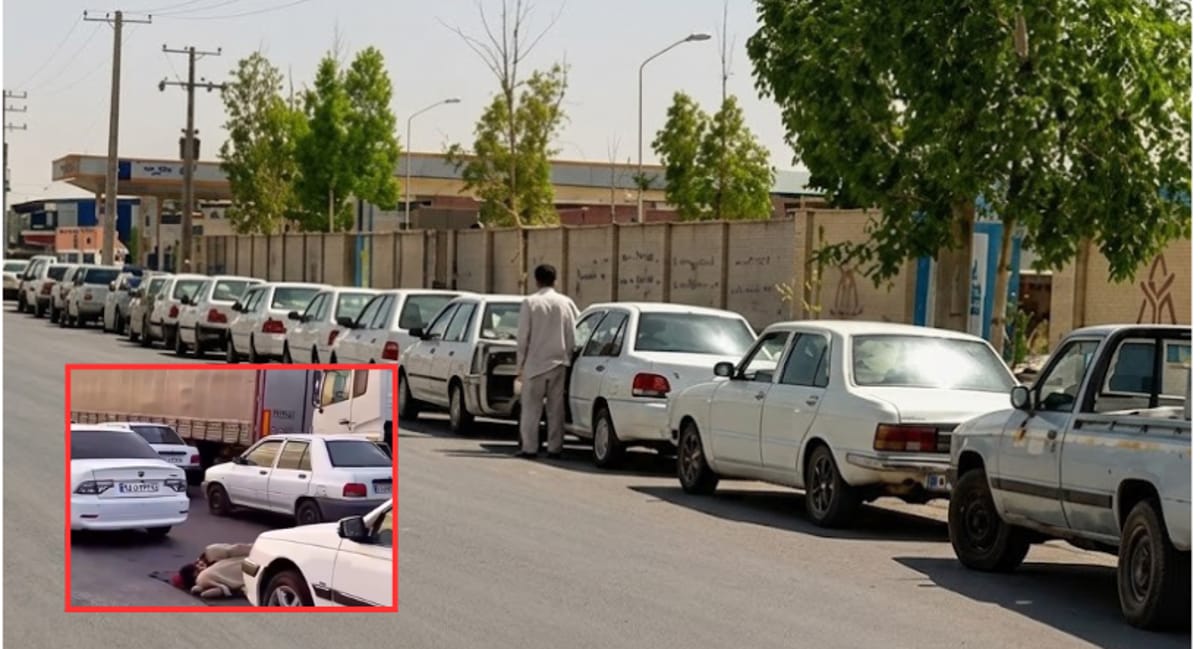
Drivers wait hours at gas stations in Tehran

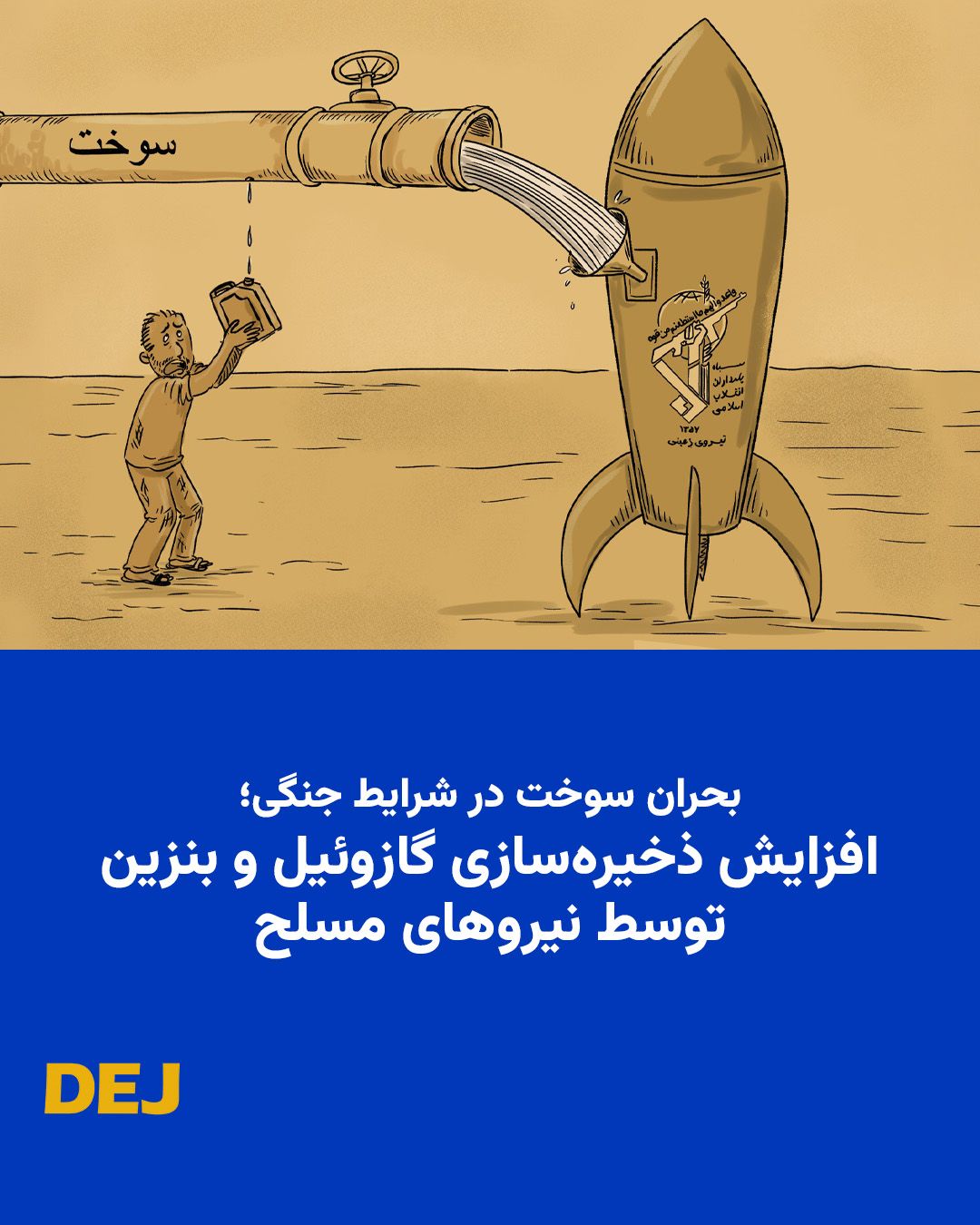
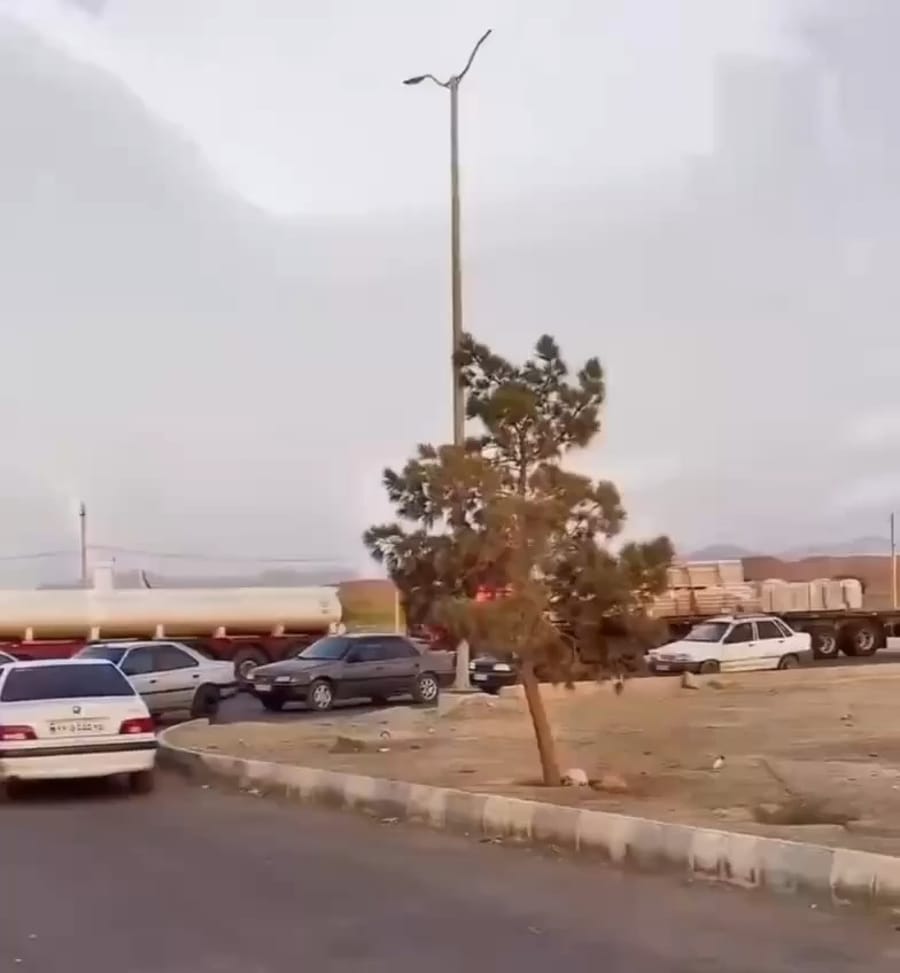
Iran's fuel crisis has intensified in recent days, with widespread reports of gas stations shutting down and exceptionally long queues forming in Tehran and other regions. Videos circulating on social media show drivers waiting for hours, some arriving in the early morning hours, only to discover that supplies have run out.

The situation became particularly acute in Tehran on Tuesday evening, when multiple stations closed after exhausting their gasoline stocks. At other locations, convoys of vehicles accumulated as drivers moved from station to station searching for pumps that still had fuel. Even state-affiliated Iranian media acknowledged the phenomenon and called on authorities to explain the closures.
Drivers wait hours at gas stations in Tehran

The shortage extends beyond isolated incidents. For months, Iranian officials have warned of a widening gap between the country's gasoline production capacity and public consumption. According to figures presented by a spokesperson for the Iranian parliament's energy committee, production stands at approximately 130 million liters per day, while consumption reaches about 137 million liters. Other government sources have cited an even larger deficit of roughly 14 million liters daily.

The problem has grown more severe as imports that previously helped close part of the gap have been disrupted. Alongside economic pressure and American sanctions, regional conflicts and difficulties in transporting energy shipments have made it harder for Iran to obtain needed fuel quantities. Recent reports indicate a significant decline in Iranian oil flowing to China, which had been Iran's primary customer for years.

Drivers wait hours at gas stations in Tehran

The irony is stark: Iran holds some of the world's largest oil and gas reserves, yet struggles to provide its citizens with a basic product like gasoline. The issue is not the quantity of crude oil beneath the ground, but rather the capacity to extract, refine, transport, and import petroleum products at the required pace. The global market is also experiencing a severe shortage of refined fuel products following damage to refining capacity in the Middle East and other regions.

Meanwhile, the government in Tehran faces an almost impossible dilemma. On one hand, it must reduce fuel consumption; on the other, any attempt to raise prices or cut subsidies risks igniting public fury.

In the past month, Iran has considered limiting fuel supplied to stations to approximately 121 million liters per day. Another option involves tightening fuel quotas for vehicles and charging higher prices for consumption exceeding the quota. An additional proposal includes distributing monthly quotas to citizens rather than direct allocation to vehicles.

The political sensitivity is enormous. A fuel price increase in 2019 triggered widespread protests across Iran that quickly escalated into a significant political crisis and were violently suppressed. Since then, gasoline pricing has become one of the most sensitive issues for the regime.

The pressure is expected to continue. The United States recently expanded sanctions against Iran, adding dozens of individuals, companies, and vessels to the economic campaign designed to damage Tehran's revenue sources. Simultaneously, Iranian oil shipments to China have declined significantly in recent months.

For the Iranian regime, the fuel crisis extends far beyond problems at gas stations. Every missing liter means another car sitting idle, another driver wasting hours in line, and more pressure on an economic system already struggling to function.

Ready for more?

Join our newsletter to receive updates on new articles and exclusive content.

We respect your privacy and will never share your information.

Enjoyed this article?

Yes (37)
No (1)
Follow Us:

Unmissable content


Loading comments...

Also of Interest