A series of security and policy changes at the top of Iran's government is offering a rare window into power struggles within the Islamic Republic. As centers of influence shift within the regime, Iranian authorities are simultaneously running a propaganda campaign aimed at countering persistent rumors about Supreme Leader Ali Khamenei's health and ability to govern.
Iran Power Struggles
Iran Security Chief Out Amid Khamenei Doubts
Revolutionary Guard veteran takes over National Security Council as Tehran works to dispel rumors about Supreme Leader's health and functioning
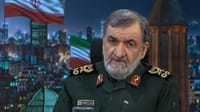
The catalyst for the current turmoil is the resignation of Mohammad-Baqer Dho al-Qadr from his position as secretary of the Supreme National Security Council—one of the most sensitive roles in Iran's decision-making apparatus. His replacement is Mohsen Rezaei, a former commander of the Islamic Revolutionary Guard Corps (IRGC) and one of Tehran's most veteran and influential figures.
However, the outgoing secretary has not been sidelined. Dho al-Qadr has moved into a new role as political advisor to the Supreme Leader, a transition suggesting this represents a redistribution of power centers rather than a purge during this sensitive period.
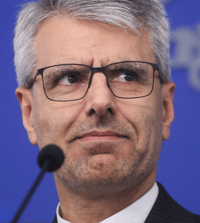
Dr. Raz Zimmt, director of the Iran and Shi'ite Axis program at Israel's Institute for National Security Studies, analyzed the significance of the personnel change for Israel's Channel 12 News. "The appointment of Mohsen Rezaei as secretary of Iran's National Security Council again demonstrates the apparent strengthening of the military-security wing led by Revolutionary Guard figures, both former—with Rezaei as a dominant example—and current," he said.
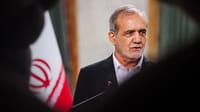
Zimmt explained that on the surface, this move could strengthen the hardline faction led by IRGC commander Ahmad Vahidi and Supreme Leader Khamenei, against the camp of Iranian President Masoud Pezeshkian and parliament speaker Mohammad Bagher Ghalibaf. However, he cautioned that the picture is not straightforward.
"There's no doubt that Rezaei is an extremist, but Dho al-Qadr was no less extreme," Zimmt emphasized, adding an interesting observation about the incoming secretary's character: "Rezaei is an opportunist and undoubtedly an experienced politician with quite significant influence. What guides him primarily, and may affect his decisions, is what serves his own interests. His decisions are less the result of ideological conviction and more about what he feels might strengthen him and his position."
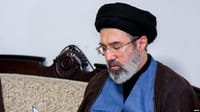
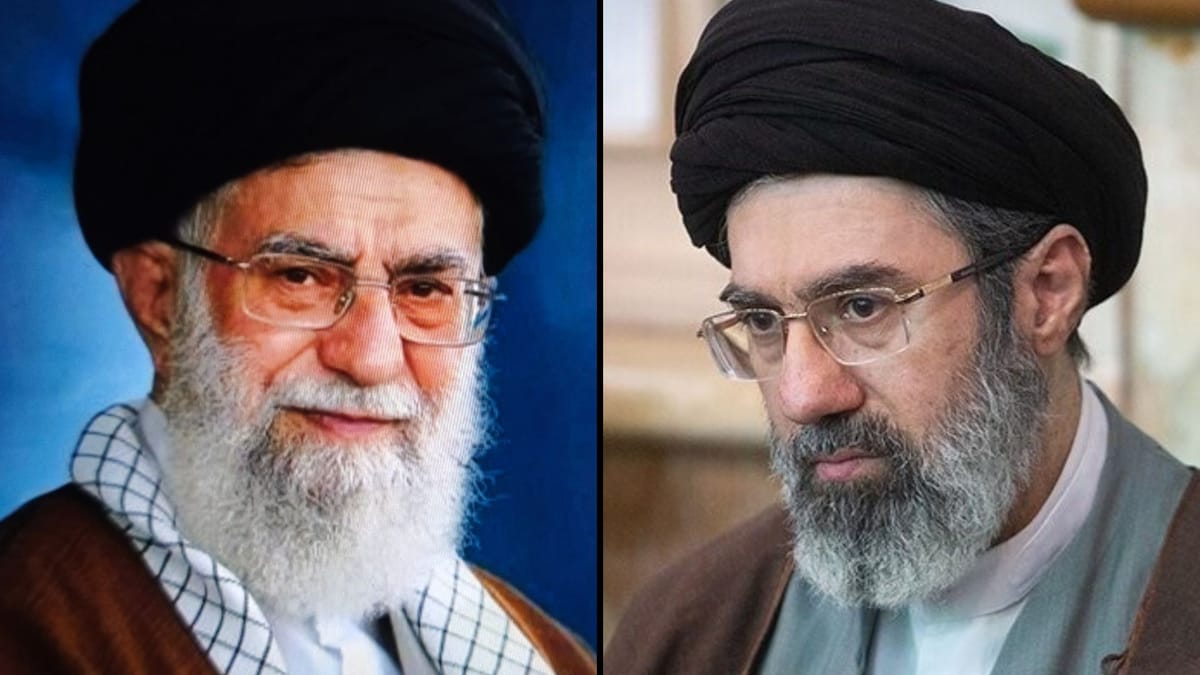
Meanwhile, another strand of drama is unfolding around Supreme Leader Ali Khamenei himself. His prolonged absence from public view has sparked a wave of speculation about his condition, forcing his office to launch a denial campaign. Yesterday, the Leader's office announced that he met with President Pezeshkian to mark the beginning of his third year in office, while an old video of Khamenei was circulated on Iranian social networks to create an impression of ongoing presence and normal functioning.
"The very fact that the Iranian regime felt compelled to publish these things indicates they themselves are aware of the problems created by Khamenei's prolonged absence," Dr. Zimmt analyzed. "It's clear to them that over time this raises doubts and could strengthen internal power struggles. They're trying to show that the Leader is not only alive—but functioning effectively."
Yet according to Zimmt, the reality on the ground is more complex: "It's clear that the current situation, in which Khamenei is a kind of 'remote-control leader,' makes it difficult for him to establish control effectively. Unlike his father, who could make decisive rulings, Khamenei apparently struggles, and the circumstances are creating an internal dynamic of power struggles at the top, with everyone maneuvering to improve their position."