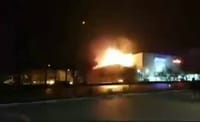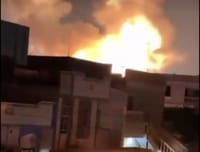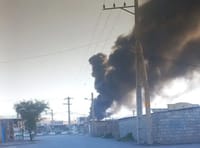
The confrontation between the United States and Iran entered a new phase on Sunday as Tehran launched missiles and drones across the region while American forces carried out their largest wave of attacks on Iran since the collapse of the ceasefire.
Iranian forces claimed they successfully struck American military infrastructure in Kuwait, including missile and air defense positions. Tehran has previously said it targeted Patriot systems in Kuwait, an early warning facility in Qatar and a fuel installation in Bahrain. The United States has not confirmed that Iran destroyed an American missile launcher.
Jordanian authorities also reported intercepting Iranian projectiles entering their airspace. Regional reports said at least six missiles were launched toward Jordan, although the exact number and intended targets remained unclear.
The Iranian attacks followed an enormous American operation against military targets across Iran. US Central Command said approximately 140 targets were struck during the latest round, including missile launch sites, drone facilities, naval capabilities, ammunition storage areas, communications networks and coastal surveillance installations.
American officials said the operation was intended to prevent Iran from attacking civilian shipping in the Strait of Hormuz. A Central Command spokesman confirmed that US aircraft intercepted an Iranian cruise missile and a one way attack drone after the Revolutionary Guards opened fire toward vessels in the strategic waterway.
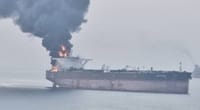
The renewed fighting followed an Iranian attack on the GFS Galaxy, a Cyprus flagged container ship sailing through the strait. Reports said the vessel was damaged and its crew required rescue, although claims that the ship had sunk were not immediately confirmed.
American attacks move deeper into Iran
The latest American strikes were no longer limited to Iran’s coastline and military positions surrounding the Strait of Hormuz.
Explosions were reported in Bushehr, Ahvaz, Khuzestan and several cities farther inside the country. Iranian media said military facilities, missile infrastructure, naval positions and an air base housing F 5E Tiger II aircraft were among the targets.
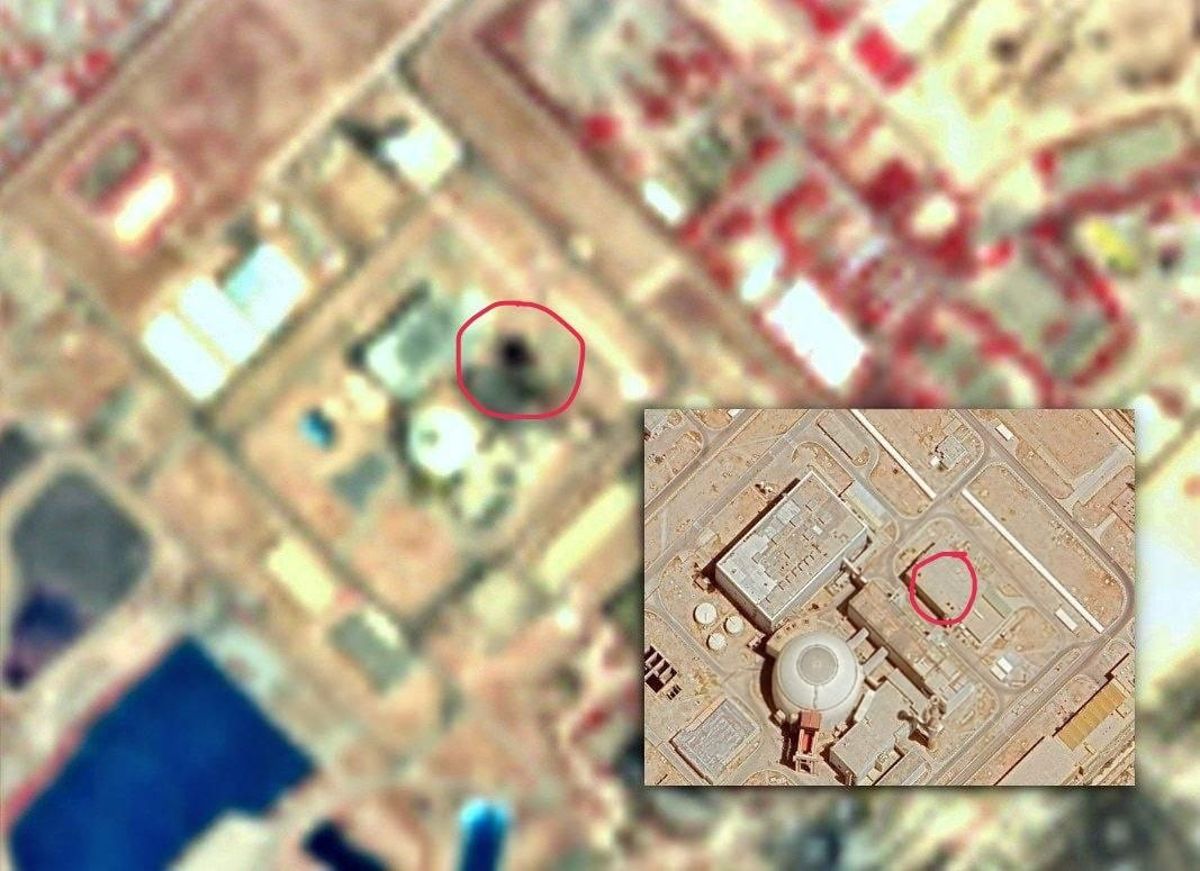
Iranian and regional sources also reported strikes near the Bushehr nuclear power plant. One report claimed that a building close to the reactor had been hit, but there was no independent confirmation that the reactor itself was damaged. Earlier reporting confirmed explosions in Bushehr province and attacks near sensitive infrastructure, including the nuclear facility.
Separate reports claimed that the Khondab nuclear complex was attacked. That claim remained unverified.
Iranian sources also reported widespread electricity interruptions following the American attacks. A strike on a water pumping station in southwestern Iran reportedly killed one person and injured four others. Neither the casualty figures nor the nature of the targeted installation had been independently confirmed.
Trump assassination intelligence raises alarm
The military escalation comes as President Trump faces what American media described as a new Iranian assassination threat.
Israel recently provided the United States with intelligence indicating that Iran was considering a fresh plan to kill Trump, according to The Wall Street Journal. The precise operational details of the alleged plot have not been publicly disclosed.
A separate report claimed Iran viewed Trump’s visit to Turkey for the NATO summit as a rare opportunity to carry out the plan. That specific claim has not been confirmed by American officials or major international news agencies.
Security concerns reportedly contributed to Trump leaving Turkey aboard an older and more heavily protected Air Force One rather than the aircraft recently provided by Qatar. American officials did not describe the intelligence as proof of an imminent attack, but considered it serious enough to influence the president’s travel arrangements.
Trump has publicly warned that any Iranian attempt to kill him would trigger overwhelming American retaliation.
The Vance dilemma
The assassination threat creates a chilling strategic paradox for Tehran.
Trump has repeatedly appeared in Iranian threats and revenge messaging connected to the 2020 killing of Revolutionary Guards commander Qassem Soleimani. Vice President JD Vance, however, has not been publicly identified as a target in the same way.
Under the Constitution, Vance would immediately become president if Trump were killed. He would then face the decision of whether to launch a massive military response against Iran.
An Iranian attempt to remove Trump could therefore place the decision for war in the hands of a successor who would face extraordinary pressure to retaliate. Rather than weakening Washington, such an attack could unleash the very confrontation Tehran has repeatedly sought to avoid.
With missiles crossing several national borders, commercial vessels under attack and American strikes expanding deeper inside Iran, the remaining diplomatic understandings between Washington and Tehran appear close to complete collapse.