US Treasury Secretary Scott Bessent stated that top Iranian leadership is publicly acknowledging severe economic distress, one day after Washington launched Operation Economic Isolation against Tehran. The declaration comes as Iran and Oman announced ongoing consultations to restore maritime navigation through the Strait of Hormuz and establish a joint management mechanism for ship traffic.
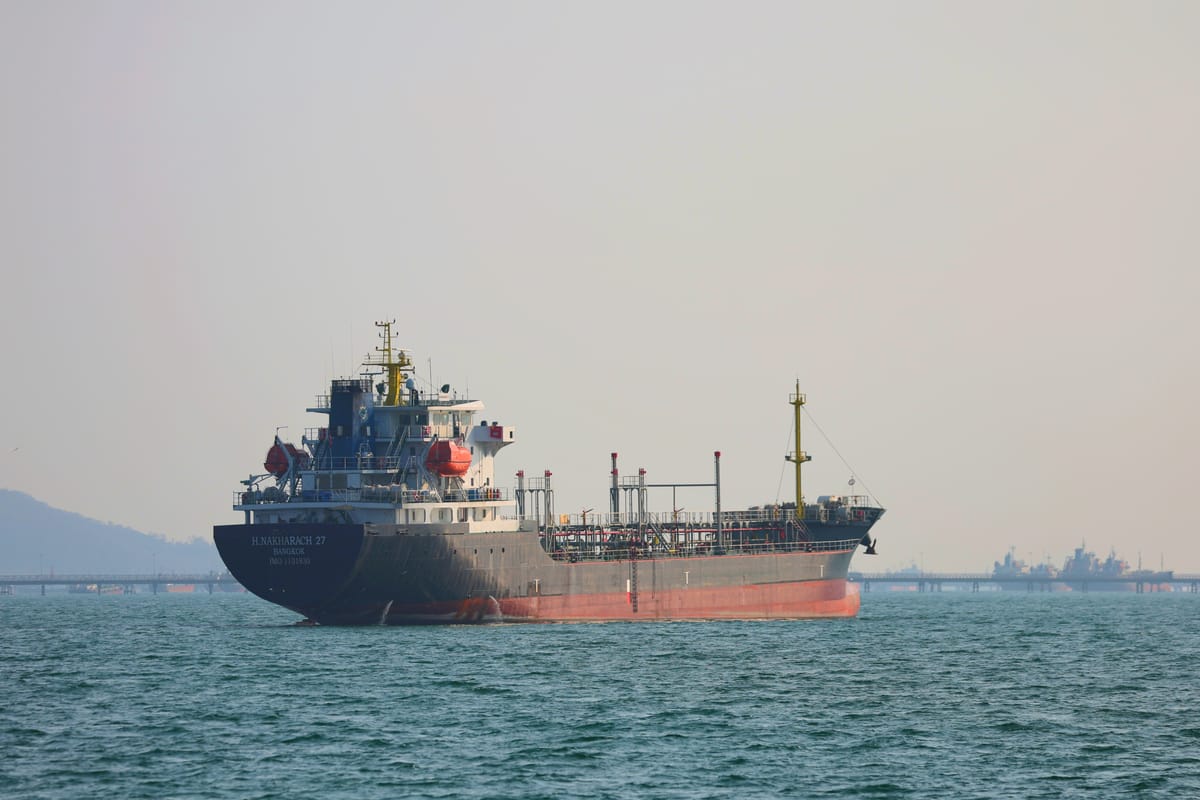
A joint statement from Iranian and Omani officials confirmed that technical negotiations will continue regarding future arrangements for managing the waterway, maintaining national sovereignty, and exchanging maritime traffic data. The proposed framework suggests vessels enter the Gulf through the Iranian lane and exit via the Omani lane. While Tehran appears unable to impose mandatory transit fees on ships as previously planned, voluntary payments for environmental protection, insurance, or safety services remain under discussion.
Washington views the regional negotiations as a direct outcome of intensified financial measures. Bessent cited Iranian President Masoud Pezeshkian, who acknowledged severe economic shortages and stated that the war must end at some point. Furthermore, Iranian Speaker of Parliament Mohammad Bagher Ghalibaf expressed direct concern over domestic stability, stating that regardless of military power, a nation cannot endure if citizens face hunger, cash shortages, and stalled economic growth.
Bessent affirmed that under President Trump, the Treasury Department will continue cutting off financial lifelines keeping the Iranian regime operational. In response, the Iranian Foreign Ministry strongly condemned the tightened sanctions, calling them a violation of international law and the UN Charter that no sovereign country should accept.
Control over the Strait of Hormuz remains a critical strategic lever, with Washington and Oman previously attempting to dissuade Tehran from collecting transit tolls by leveraging the potential unfreezing of 100 billion dollars in Iranian assets held overseas. An Iranian source close to the negotiating team told the Fars news agency that direct talks with the US ceased following violations of the Islamabad memorandum of understanding, leaving current maritime sovereignty discussions strictly between Iran and Oman.