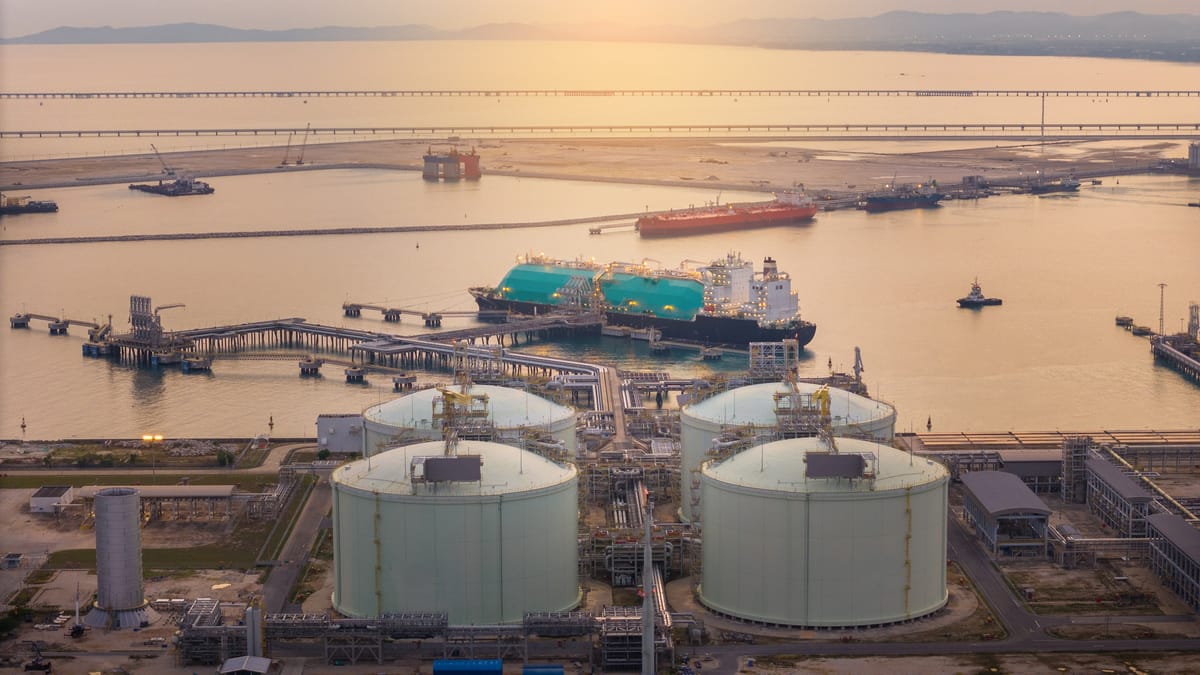
Qatar is implementing severe financial cuts following extensive economic damage caused by the war with Iran and the ongoing closure of the Strait of Hormuz. The Gulf state, whose economy relies heavily on liquefied natural gas exports, was forced to reduce its 2026 annual budget of 61 billion dollars by 30 percent. In addition, Doha is slashing its international investment budget by 85 percent, according to reports in the Financial Times.
The Qatar Investment Authority, which manages the nation's foreign assets, faces major cutbacks across its global portfolio. Planned investments impacted by the downturn include a half trillion dollar commitment to the US technology, energy, and infrastructure sectors. Additional cuts affect a 10 billion dollar project in India, a joint two billion dollar fund with Indonesia, and a bilateral trade goal of five billion dollars with Turkey.
While all Gulf Cooperation Council member nations have experienced slowing economic growth in 2026 due to disrupted oil and gas shipments, Qatar faces the most severe contraction. According to the International Monetary Fund, Qatar's gross domestic product is projected to shrink by 8.6 percent by the end of the year. The downturn stems directly from Doha's dependence on LNG exports, which accounted for nearly 35 percent of its GDP last year.
The inability to transport gas through the Persian Gulf threatens Qatar's status as a top tier global supplier. Data from the International Energy Agency indicates that combined LNG output from Qatar and the United Arab Emirates dropped by nearly 80 percent between March and June compared to the same period last year.
Long term operational challenges compound the financial losses, extending far beyond any future ceasefire agreement. Iranian strikes in March severely damaged the Ras Laffan processing complex, which handles roughly 17 percent of Qatar's gas exports. Officials in Doha stated that the damaged facility may require up to five years to reach full operational capacity again, forcing the state to declare force majeure on multiple delivery contracts and accept annual revenue losses of 20 billion dollars during the reconstruction period.
To protect its market share in Asia, Qatari officials took creative measures by purchasing 33 American LNG cargoes on the spot market through Venture Global to fulfill shipments to key buyers in Japan, South Korea, India, Bangladesh, and Taiwan. Financial experts at Goldman Sachs estimate that Qatar and Kuwait are losing between 1.5 billion and 2 billion dollars weekly due to lost energy exports. Meanwhile, regional analysts note that while economic stress remains severe, Qatar will likely maintain its core diplomatic mediation efforts as a cornerstone of its national security strategy.