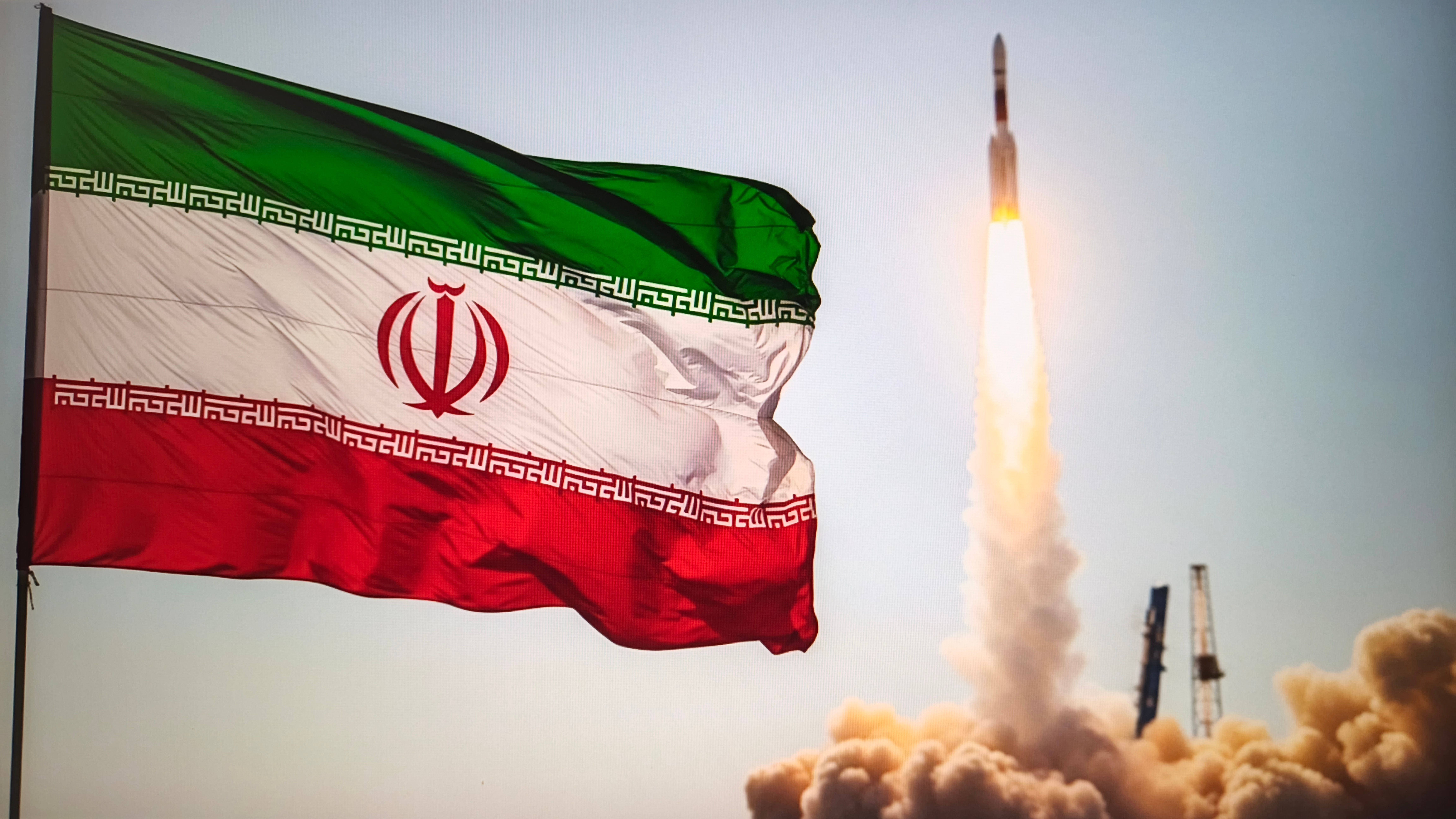
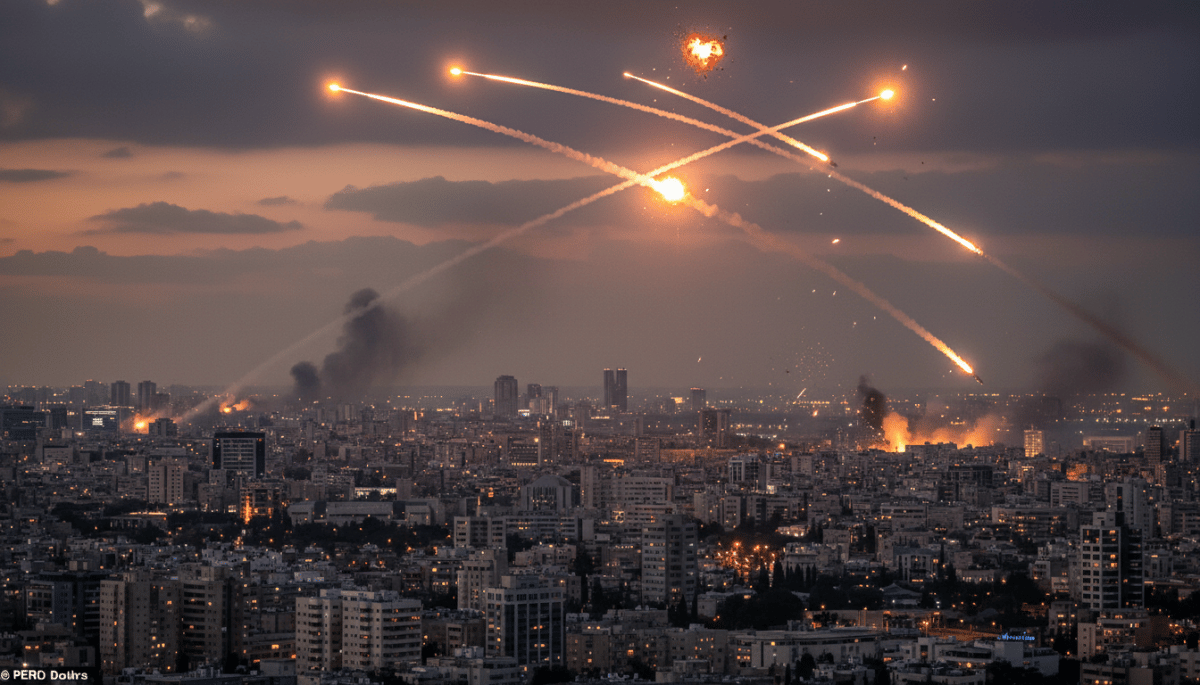
Are Israel and Iran heading toward another round of fighting? Danny Citrinowicz, a researcher on Iran and the Shia axis at the Institute for National Security Studies (INSS), addressed the possibility of renewed escalation with Iran this morning (Sunday), and assessed that the most dangerous window of time may arrive after the midterm elections in the United States. According to him, Iran is already increasing its military readiness and is on high alert, but the likelihood of significant escalation before the elections is relatively low.
In an interview with Gideon Oku and Amihai Atali, Citrinowicz was asked about the possibility that the conflict could resume even before Israel's elections.
"Until the elections, the probability is not high. In general, without a return to a political arrangement between the US and Iran, which is not currently on the table, the probability of escalation in general is high. The status quo is unstable; the Iranians are attacking vessels passing through Hormuz every day and night. In practice, we will reach some kind of escalation, but until the elections the probability is not high," he replied.
Citrinowicz explained that from Tehran's perspective, it is actually the US elections that are the central event influencing decision-making.
"They are certainly increasing [activity], but with all due respect to Israel's elections, the important elections are the American midterm elections. From their perspective, they assess that until the elections Trump will not respond, and therefore they are raising the pressure in the Strait of Hormuz with the aim of raising oil prices."
According to him, Iranian preparations are not limited to activity in the Strait of Hormuz. "They assess that there could be an escalation soon, and therefore they are increasing drills in the area of surface-to-surface missiles and they are on high alert," he said.
Nevertheless, Citrinowicz assessed that at the current stage, the Iranians are not interested in expanding the confrontation beyond the Strait of Hormuz, partly due to the impact of the tension on oil prices.
But the most significant warning came when he was asked about the period after the elections in Israel and the United States, and about the possibility of another Israeli-American strike against Iran.
"Between the US elections and the swearing-in of Congress, which will likely be hostile to Trump, certainly in the House and probably also in the Senate, the probability of activity in those two months rises very significantly," he assessed.
Citrinowicz also addressed the possibility that the next campaign will be different from the two previous operations, and pointed to a possible change in the nature of American strikes.
"The Americans are thinking about a very short and focused campaign against the nuclear [program], but they want to expand the strikes to Iranian infrastructure sites, this is something we have not done in the past," he said.
However, he believes that expanding the strikes does not guarantee a change in the Iranian regime, and could actually lead to a harsh response from Tehran.