Get our mobile app
Download on the App StoreGet it on Google Play

deep dive Analysis

Israel's new security doctrine after Oct. 7

For decades Israel traded territory for quiet, until the October 7 massacre shattered the concept. Now the IDF is building fortified buffer zones, holding strategic corridors and rejecting foreign guarantees in favour of boots on the ground

The Philadelphi Corridor

For decades, Israel's security strategy rested on a central idea: controlled territorial withdrawal could bring quiet and stability. The peace treaty with Egypt, the Oslo Accords and the 2005 disengagement from the Gaza Strip were the clearest expressions of that thinking.

But on the morning of October 7, 2023, the concept collapsed. Hamas's surprise assault, and the war that followed, accelerated a deep structural shift in Israel's national security strategy. In place of "land for peace", a new doctrine is taking shape: defensible borders and strategic depth.

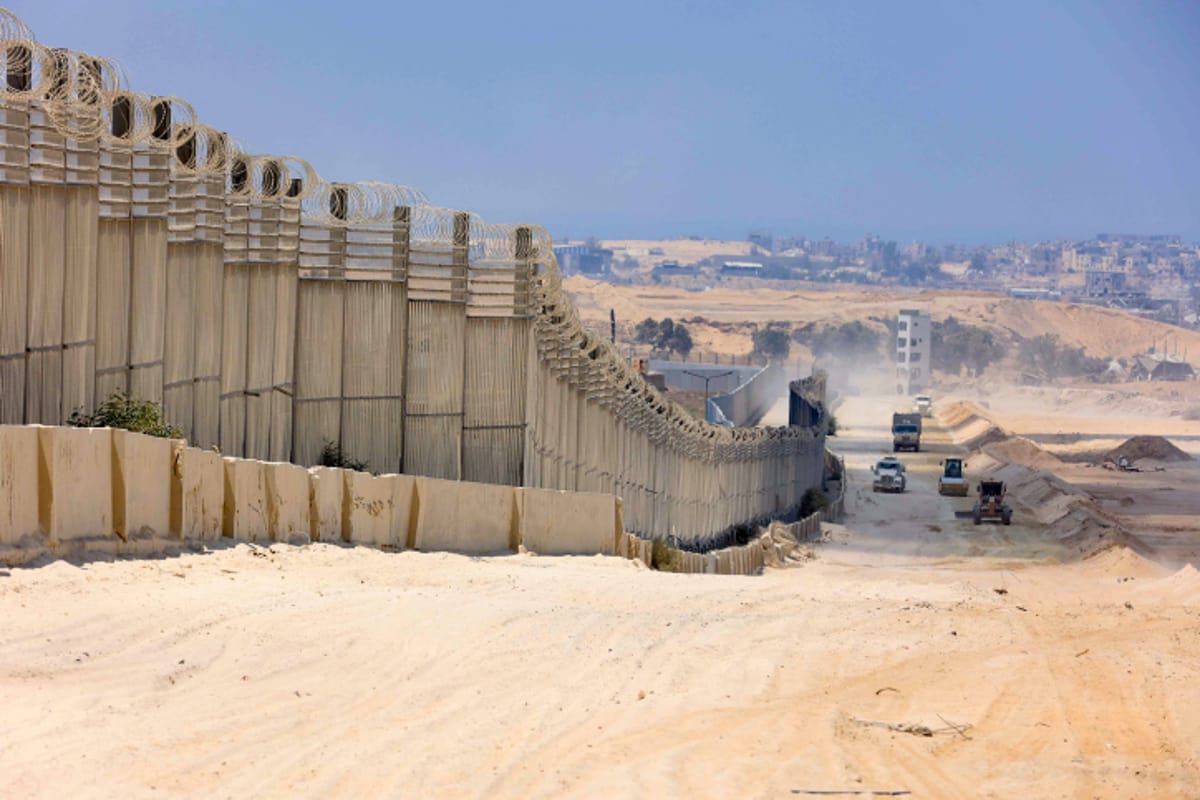
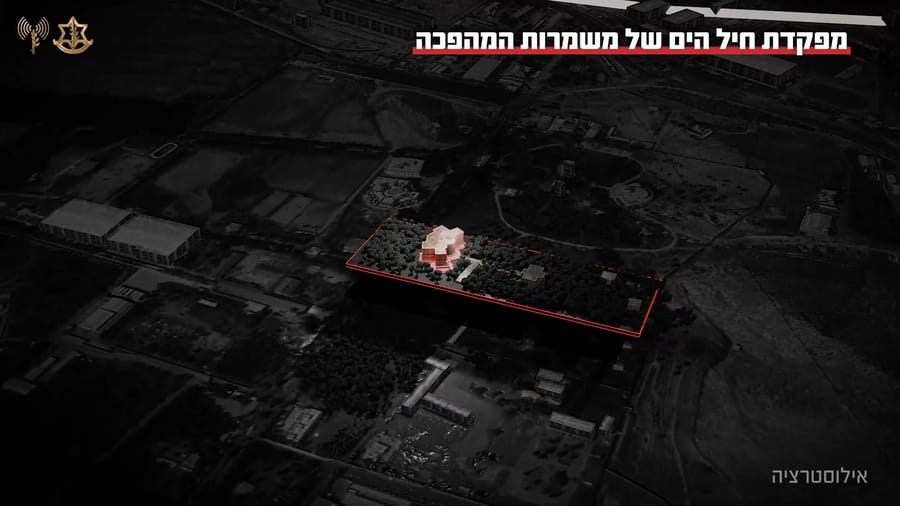
Israeli operations in the Gaza Strip
Israeli operations in the Gaza Strip (Photo: IDF)

The collapse of the illusion - when the vacuum fills with terror

Israel's major withdrawals, from the security zone in southern Lebanon in 2000 and from Gush Katif and the Gaza Strip in 2005, were meant to ease tension and shift responsibility to the international arena. Reality proved otherwise: the withdrawals did not bring quiet; they created a dangerous security vacuum.

The space vacated by the IDF was swiftly seized by Iran's armed proxies, Hezbollah in southern Lebanon and Hamas in Gaza. Both withdrawals confirmed an iron Middle Eastern rule: when Israel pulls back, the territory does not stay empty. It fills immediately with heavy weapons, underground tunnels and fortified terror infrastructure. The public and the leadership in Israel understood, perhaps too late, that the assumption "withdrawal brings quiet" was a grave strategic error.

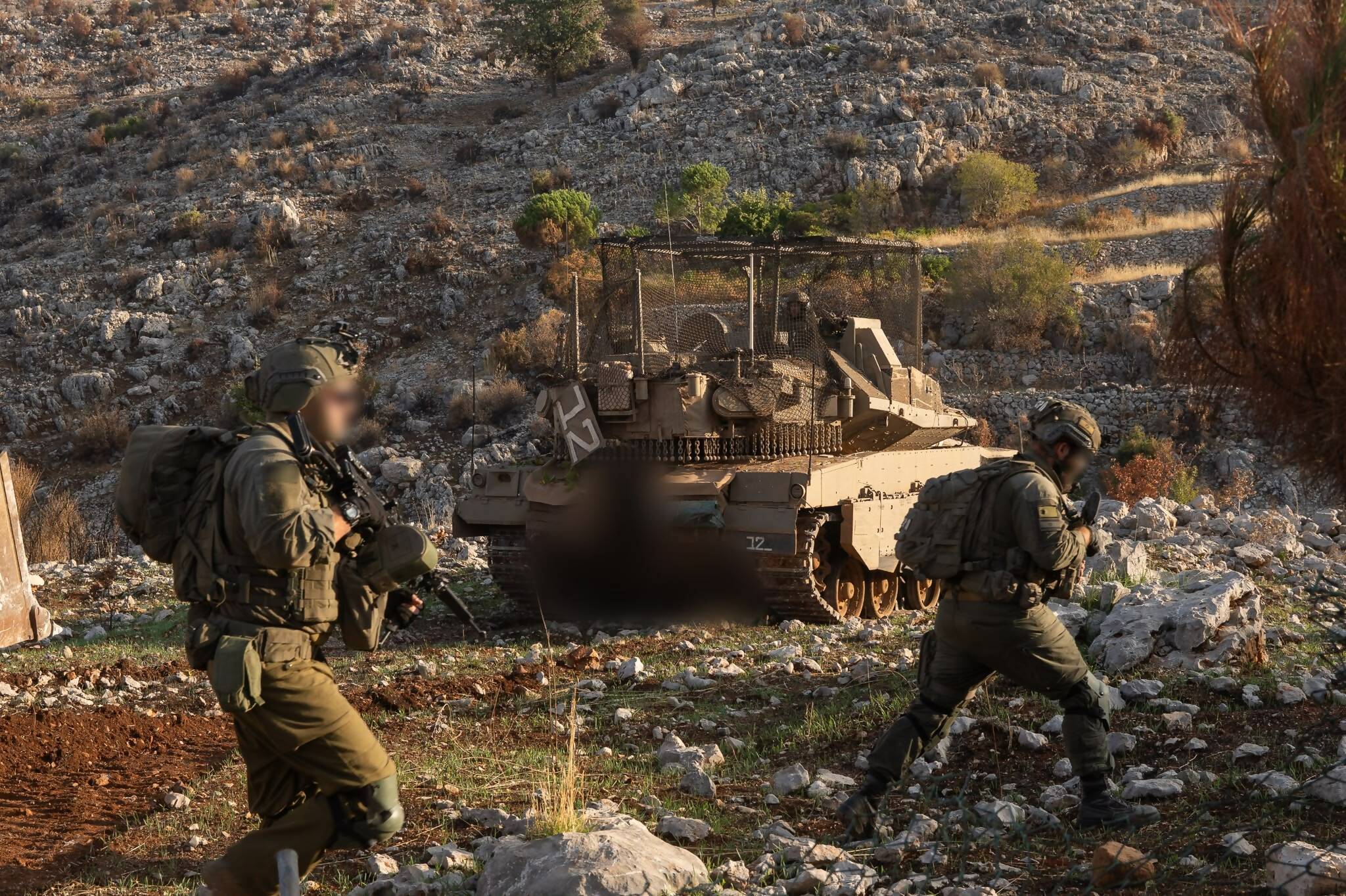
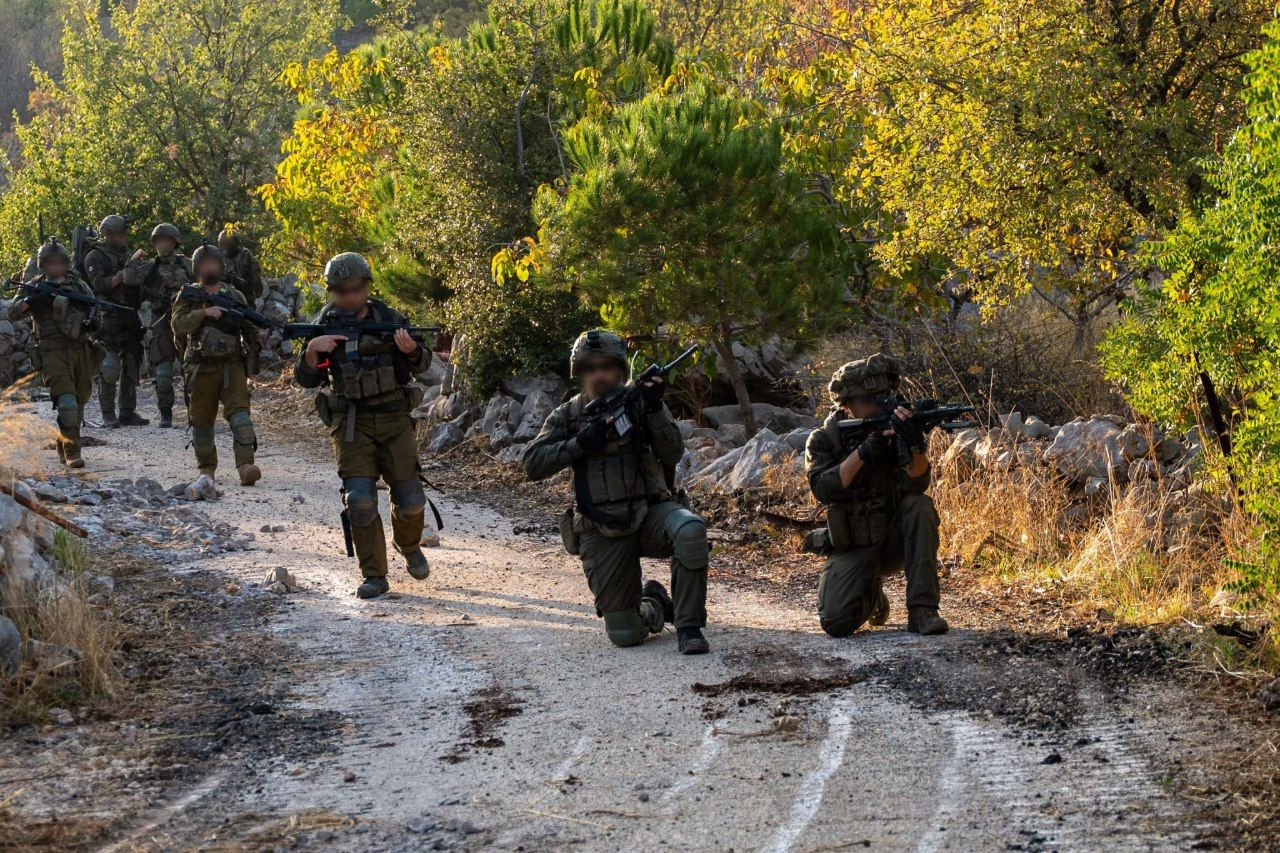
Operations by the 810th "Mountains" Brigade in the Mount Dov sector
Operations by the 810th "Mountains" Brigade in the Mount Dov sector (Photo: IDF Spokesperson)

The harsh lesson of October 7: technology surrendered to the ground

For years, Israel's security establishment took pride in the most advanced technological barriers in the world. Smart fences, seismic sensors, drones and automated alert systems presented an illusion of hermetic defence. But on the black morning of October 7, the most expensive and advanced barrier in the world collapsed within minutes in the face of a simple infantry and mechanical raid.

The lesson of October 7 was sharp and painful: technology cannot substitute physical depth and boots on the ground. In a country exceptionally narrow, where the width in some places does not exceed a few kilometres, there is no substitute for continuous military presence and control of the terrain. Advanced systems can provide warning and support, but only physical control prevents mass infiltration.

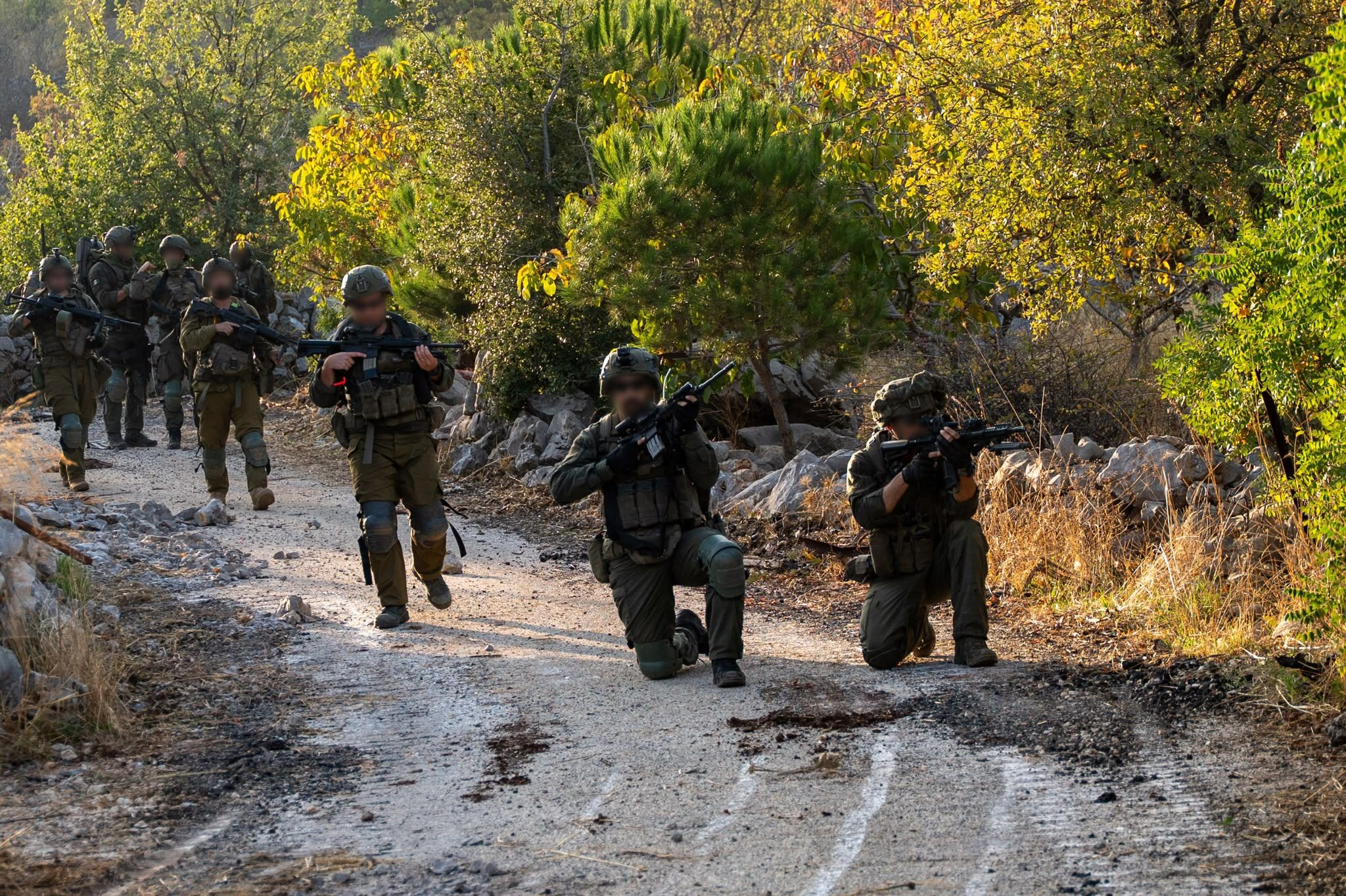
Soldiers in Judea and Samaria
Soldiers in Judea and Samaria (Photo: IDF)

Facing the "ring of fire": Confronting the Iranian octopus

The current threat facing the State of Israel is no longer a local terror organisation or a lone guerrilla force. Iran has spent decades building a choking "ring of fire" around Israel, a complex network of terror armies and proxies in Gaza, Lebanon, Syria, Iraq and Yemen, equipped with thousands of rockets, suicide drones and precision cruise missiles.

Against such a multi-arena, integrated threat, creating open spaces and buffer zones is no longer a local tactical move but an existential survival necessity. Pushing back the line of contact and direct threats from civilian population centres is the only way to ensure the state's continued existence.

Creating artificial depth, without reliance on foreign guarantees

In the absence of natural geographic depth, the new security doctrine holds that Israel must create that strategic depth itself, inside enemy territory. Defensible borders are no longer a thin line on the map, but a fortified, protected and monitored space.

At the same time, the old working assumption that relied on international policing forces or foreign guarantees has been completely shattered (as proven by the resounding failure of the UNIFIL force in southern Lebanon). Israeli security is now based solely on exclusive and independent Israeli security control of key corridors and the perimeter, from the Jordan Valley to the Philadelphi Corridor.


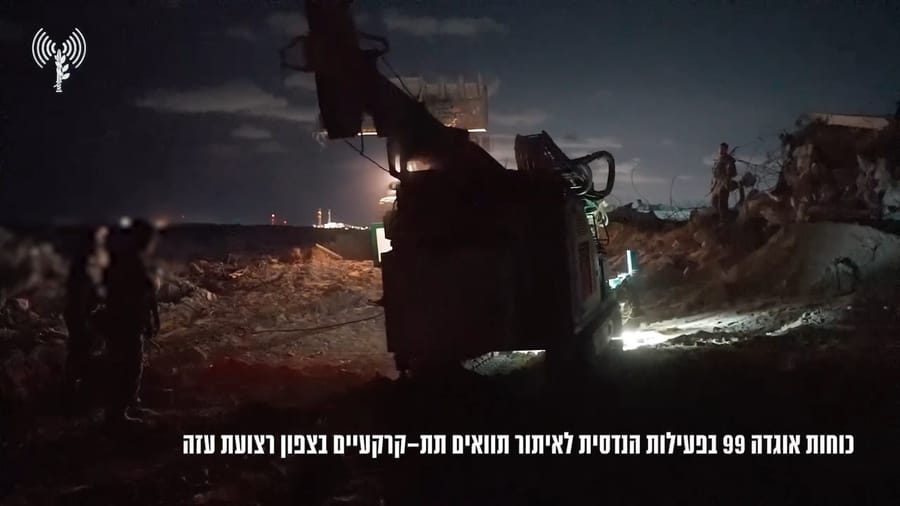
IDF forces in operation
IDF forces in operation (Photo: IDF)

From containment to decision, the practical steps on the ground

The conceptual shift is being translated daily into dramatic actions on the ground:

  • Security and buffer zones: establishment of an extensive security perimeter inside the Gaza Strip, alongside clearing and striking forward infrastructure in southern Lebanon up to the Litani River, to prevent elite forces (such as the Radwan Force) from sitting "on the fence".
  • Control of longitudinal and lateral corridors: firm standing and full control of strategic corridors such as the Philadelphi Corridor (to prevent smuggled rearmament) and the Netzarim Corridor (to split the Strip and control movement).
  • Strengthening the community defence line: return to the "Iron Wall" principle, arming of standby squads, construction of heavy engineering obstacles around communities, and defining the community as a fortified zone.
  • Pre-emptive and active strikes: moving from a containment doctrine and "campaigns between the wars" to delivering pre-emptive blows and focused thwarting of terror leadership and their strategic systems.
Tehran is the enemy
Tehran is the enemy (Photo: IDF)

The economic and social arena: The price of depth

Holding territory, creating security zones and establishing a permanent military presence are not just operational decisions. They exact a sustained economic and social price, which grows sharper as the new doctrine establishes facts on the ground.

  • The burden of reserves and the economy: the war proved unequivocally that the old model of short, focused reserve duty can no longer provide an answer. Maintaining security zones in Gaza, presence in southern Lebanon and continuous control of strategic corridors require extensive manpower over time. The implication is a doubling of reserve days, erosion in labour productivity and deepening gaps between those who serve and the general public. The Israeli economy will be required to absorb enormous direct costs for maintaining the forces, alongside indirect damage from worker absence.
  • The defence budget versus the citizens: establishing heavy engineering obstacles, maintaining forward outposts and unceasing investment in operational readiness require vast budgets for years ahead. These budgets will inevitably come at the expense of civilian growth engines, education, health, infrastructure and welfare. The public dilemma sharpens: how much is Israeli society willing to pay in sustained economic and quality-of-life cost in exchange for a sense of physical security?
  • The social rift and the home front: prolonged presence in combat zones directly affects public discourse and the sense of personal security, while deepening the gap between the fighting and threatened periphery and the routine of the centre. The new doctrine requires not only military preparation but also an honest and piercing discussion about burden-sharing and Israeli society's ability to bear the load over time.
IDF forces in operation
IDF forces in operation (Photo: IDF)

International legitimacy: the battle for the right to defend

Even when the State of Israel defines security zones and permanent presence beyond its borders as an existential necessity, the international arena is not quick to accept this doctrine. Here opens one of the most complex and sensitive struggles of the new approach.

The United States remains the central strategic ally, but it does not grant a blank cheque for permanent Israeli presence in evacuated territories. The American administration, though it supports Israel's security, prefers political solutions and international frameworks. The deeper Israel's grip on corridors and buffer zones, the greater the pressure from Washington to incorporate these moves within a comprehensive political envelope.

The UN, the European Union and international organisations view military presence outside recognised borders as a violation of international law. Israel is required to conduct a stubborn diplomatic and consciousness campaign to explain why a security perimeter or presence in southern Lebanon is not an aggressive move but unequivocal and necessary self-defence following the events of October 7. Without minimal legitimacy, even impressive military achievements may erode under pressure and sanctions.

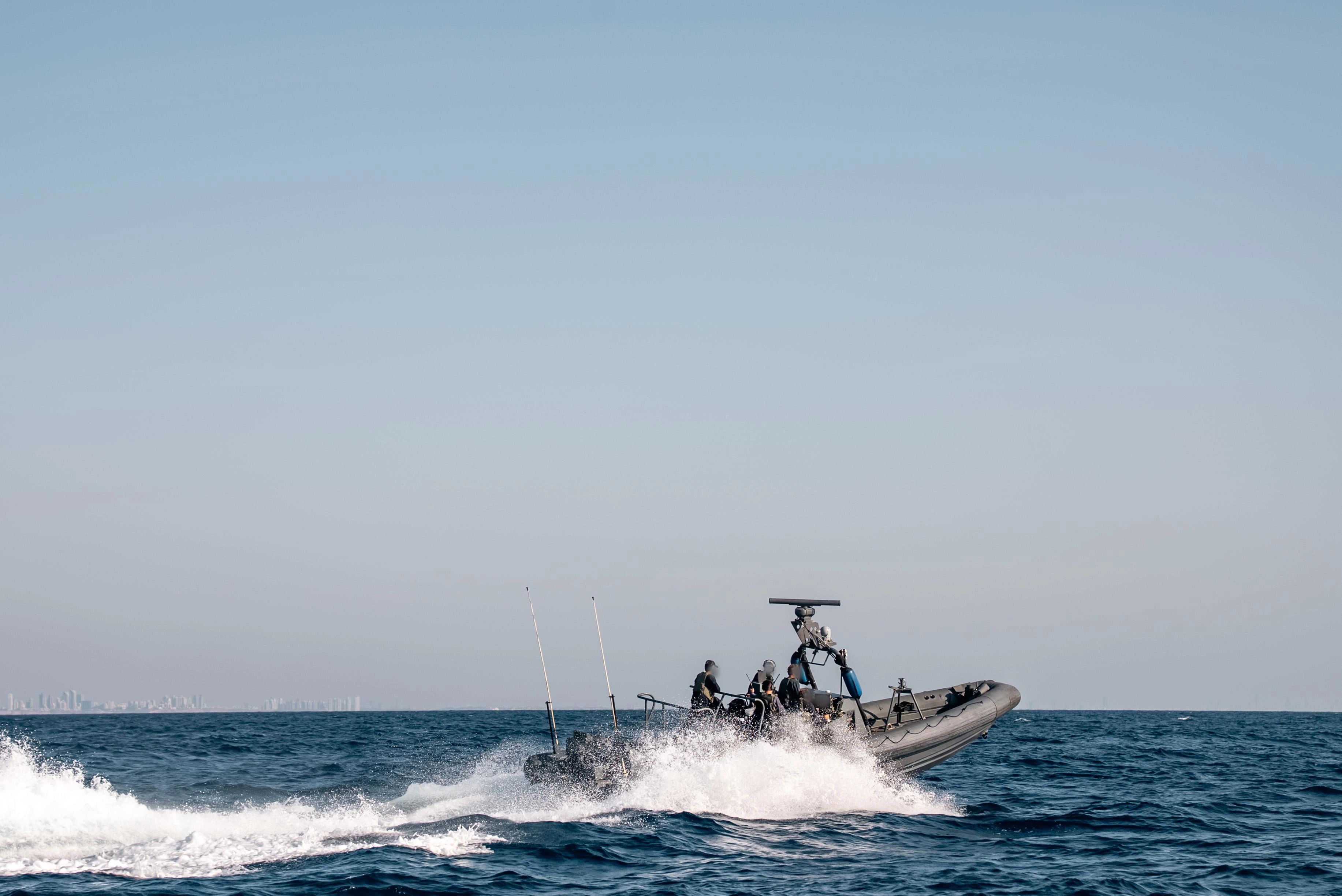
The Israeli Navy
The Israeli Navy (Photo: IDF)

The future of Judea and Samaria: the depth within

The strategic depth doctrine does not stop at the borders of Gaza and Lebanon; it fundamentally changes the security concept in Judea and Samaria as well, and directly affects the defence of Israel's population centres and infrastructure.

If in the past the Judea and Samaria sector was perceived mainly as an arena for pinpoint terror prevention and a struggle over civilian control, the lessons of October 7 made clear that this is the state's most critical depth line. The tiny distance between the seam lines in Judea and Samaria and Gush Dan, Jerusalem, Ben-Gurion Airport and the coastal plain means that any loss of control over key corridors poses an immediate danger of turning the country's centre into a combat zone within minutes.

The practical implication is deepening intelligence and operational control, tight grip on strategic corridors, and active prevention of the formation of rocket terror infrastructure or raiding companies inside the territory. The new doctrine establishes a clear priority for security and physical control over territorial concessions. Strategic depth does not exist only beyond the border, it is built and preserved first and foremost at home.

Conclusion: reshaping the Middle East

Israel's new strategy establishes a new iron rule: physical security precedes any diplomatic attempt. Israel is no longer willing to take territorial risks in exchange for promises of temporary quiet or agreement papers.

The assumption today is that only physical presence, control of key corridors and fortified territorial depth will ensure that a surprise attack in the style of October 7 will never happen again, not from Gaza, not from Lebanon and not from the Judea and Samaria arena. This is a historic paradigm shift: no longer conflict management, but decision and reshaping of the Israeli living space.

Ready for more?

Join our newsletter to receive updates on new articles and exclusive content.

We respect your privacy and will never share your information.

Enjoyed this article?

Yes
No
Follow Us:

Unmissable content


Loading comments...

Also of Interest