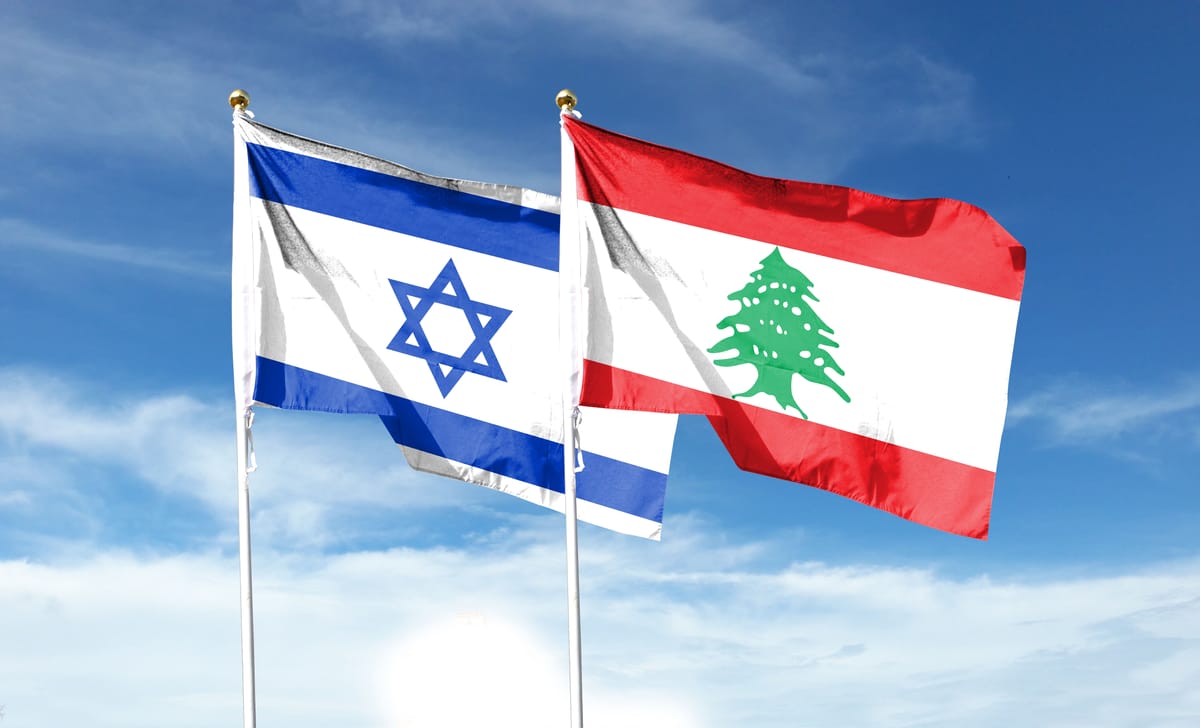
Israel and Lebanon concluded two days of U.S.-brokered talks in Rome on Wednesday, with an Israeli official describing the discussions as positive and saying they reinforced a shared understanding between Jerusalem and Beirut on the need to disarm Hezbollah and continue implementing the trilateral framework agreement reached last month.
According to the official, the talks focused on defining two designated "pilot zones" in southern Lebanon, which will serve as a test of Lebanon's actual ability to exercise sovereignty over its own territory by implementing conditions agreed upon by the Lebanese army, under the supervision of a third party, the United States.
The official said UNIFIL and UNTSO, the United Nations peacekeeping and truce supervision bodies that have operated in southern Lebanon for decades, were not part of the discussions and will not participate in the oversight mechanism for the pilot program. That marks a notable shift from the traditional international framework governing the Israel-Lebanon border, placing verification responsibilities instead directly in American hands.
On the question of private property inside the pilot zones, the official said discussions on a resolution are still ongoing, with the goal of enabling the removal of illegal weapons while preserving protections under Lebanese law.
The official confirmed that agreement was reached on the two specific pilot zones under discussion, but cautioned that any future expansion of the pilot-zone model to additional areas will depend on the successful implementation of this initial pilot program.
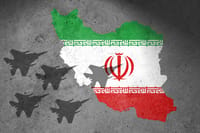
The Rome talks, the sixth round of direct U.S.-mediated negotiations since Israel and Hezbollah returned to war on March 2, took place amid renewed instability in the region, with the broader U.S.-Iran ceasefire that underpinned the original framework having come under significant strain in recent days. Israel's Ambassador to Washington, Yechiel Leiter, led the Israeli delegation, while Lebanon's delegation included U.S. Ambassador to Lebanon Nada Moawad, envoy Simon Karam, and retired Brig. Gen. Ziad Heykal, an adviser to Lebanese President Joseph Aoun.
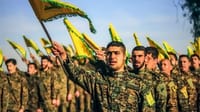
Hezbollah has publicly rejected the framework agreement in its entirety, and Defense Minister Israel Katz said last week that Israeli forces would remain in southern Lebanon "for as long as necessary." Israel currently holds what it describes as a security buffer roughly 10 kilometers deep along the length of the border, and has continued airstrikes and controlled demolitions in the area even as the diplomatic track has advanced.
Under the pilot-zone model, the Lebanese army would take responsibility for security in designated areas as Israeli forces withdraw, with the goal of ensuring the zones remain clear of Hezbollah weapons and infrastructure before any broader withdrawal is considered. Lebanese President Aoun is due to travel to Washington on July 21 for his first face-to-face meeting with President Trump, where he is expected to press Lebanon's case for a fuller Israeli withdrawal.