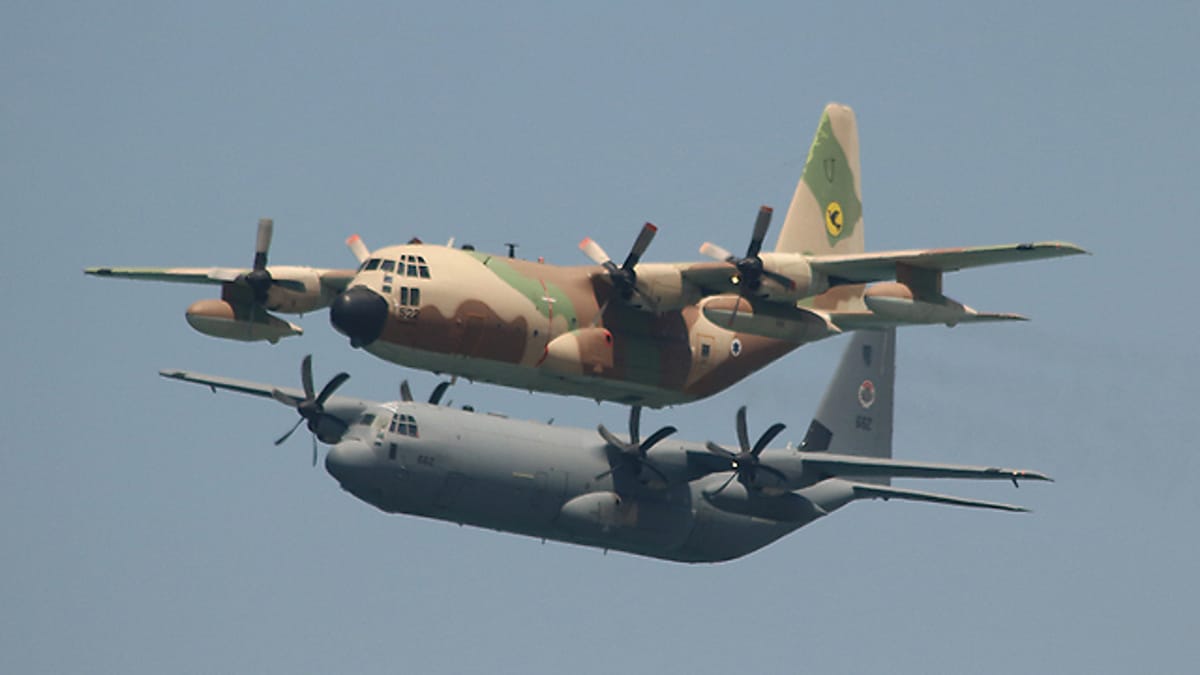
Saudi Arabia refused to allow Israeli military transport planes to land on its soil to evacuate the Israeli passengers stranded in Tabuk after Wednesday's suspected terror attack aboard a flydubai flight, offering a civilian alternative instead, according to Israeli media reports.
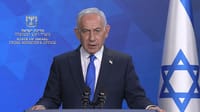
The IDF and El Al offered to evacuate the passengers on a Hercules transport aircraft, but the offer was rejected by Saudi Arabia, i24NEWS reported. According to Mako, no official approval was granted for Israeli Air Force or other Israeli aircraft to land on Saudi soil, even for a rescue mission. Channel 13 had reported earlier in the day that contacts were underway with Riyadh to send IAF Re'em and Hercules planes, after Prime Minister Benjamin Netanyahu and Defense Minister Israel Katz ordered the IDF to prepare military rescue flights. According to Ynet, the Mossad has been managing the contacts with Saudi Arabia.
Instead, the passengers will be flown home on a replacement flydubai aircraft. Its takeoff was been delayed while the Mossad vetted the names of the crew, according to Channel 12's Amit Segal.
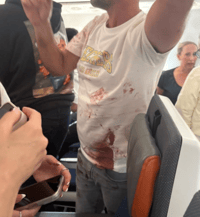
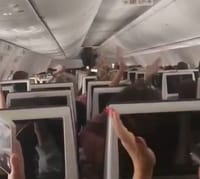
The refusal angered many of the passengers, who spent hours on the ground in Tabuk after the plane's emergency landing. "We went through trauma here. At least let Israeli hands bring us home," passengers told Mako. Ynet reported that some passengers initially refused to board the flydubai plane, saying they were afraid to fly with the airline again.
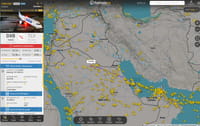
The episode highlights the limits of Saudi-Israeli cooperation. The two countries have no formal diplomatic relations, and Riyadh has long avoided public displays of coordination with Israel. At the same time, the kingdom cooperated quietly throughout the crisis: Tabuk Airport received the plane's distress call at 8:44 a.m., declared an emergency and allowed it to land safely at 9:45 a.m., and both injured pilots were taken to a Saudi hospital. Channel 13 reported that the plane was escorted by Saudi fighter jets.
Allowing Israeli military aircraft onto a Saudi runway, however, would have been a highly visible step that Riyadh was apparently unwilling to take.
The incident began when the Omani co-pilot of flight FZ1073 allegedly stabbed the captain and tried to crash the Boeing 737 MAX 8, carrying 174 passengers, including 27 children. Katz called it "an attempted jihadist terror attack," foiled by Israeli passengers who broke into the cockpit and helped off-duty pilots on board regain control.