
Get our mobile app
Download on the App StoreGet it on Google Play

The New Syria?

Syria Erupts Over Fuel Price Hike

Burning tires, blocked highways, and confrontations with fuel convoys: A single economic decision has ignited the most widespread unrest since the regime change—and the anger is spreading across the country

Syria erupts: Wave of violent protests against the new government

A wave of protests has swept across Syria in recent days, marking the most serious public challenge to President Ahmad al-Sharaa's government since the fall of Bashar al-Assad's regime.

The immediate trigger is the government's sharp increase in fuel prices, but beneath the surface lies a harsh economic reality: a nation attempting to rebuild after years of war while vast swaths of the population struggle to survive.

Syria erupts: Wave of violent protests against the new government
Syria erupts: Wave of violent protests against the new government (Photo: Arab networks)

On Sunday (September 13), the Syrian government announced a roughly 40% increase in diesel prices, from 125 to 175 Syrian pounds per liter. At the same time, gasoline prices rose between 26% and 28%, while cooking gas increased by approximately 9%. This marked the second price hike within nine days, following an earlier increase at the beginning of the month.

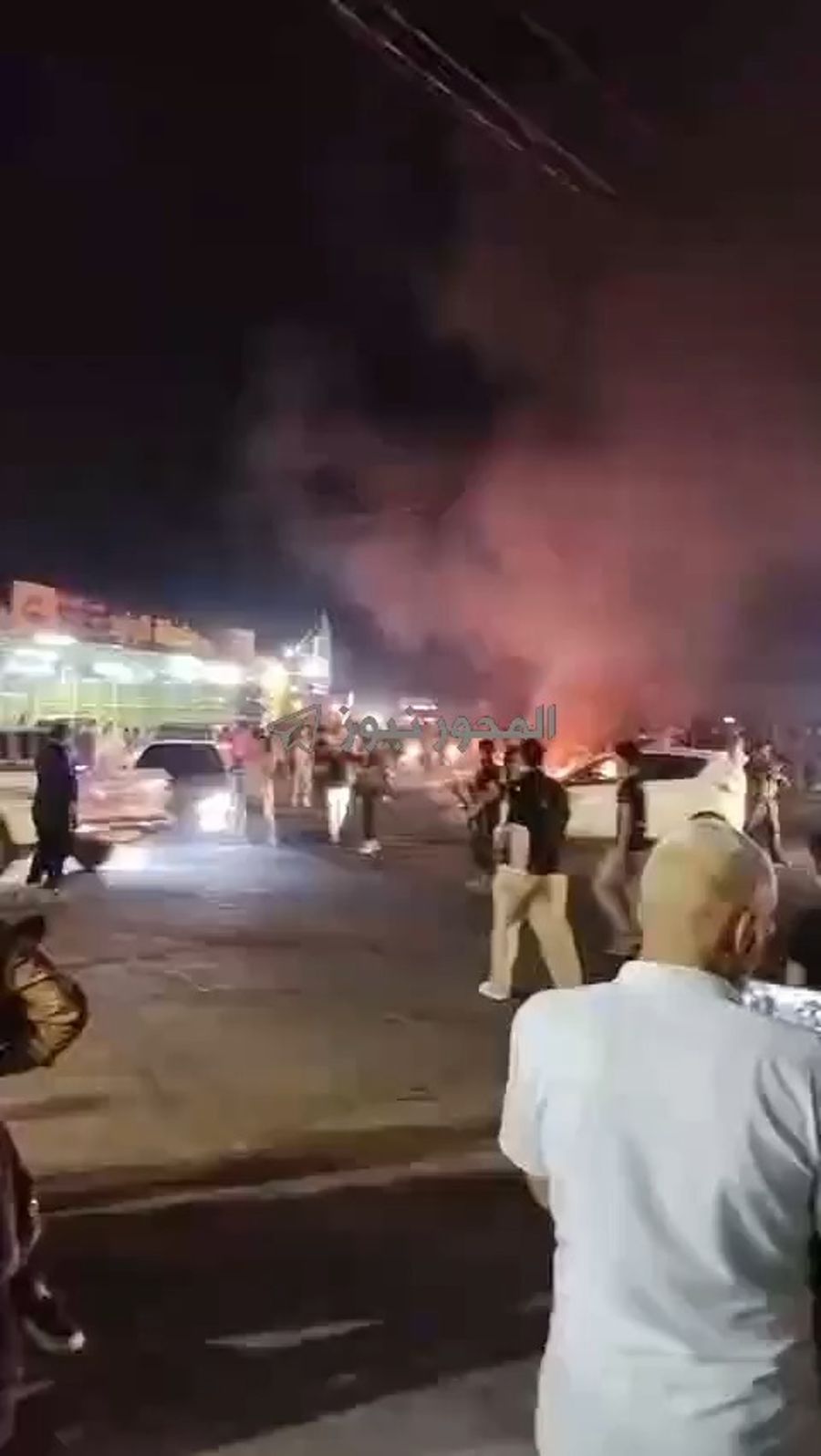
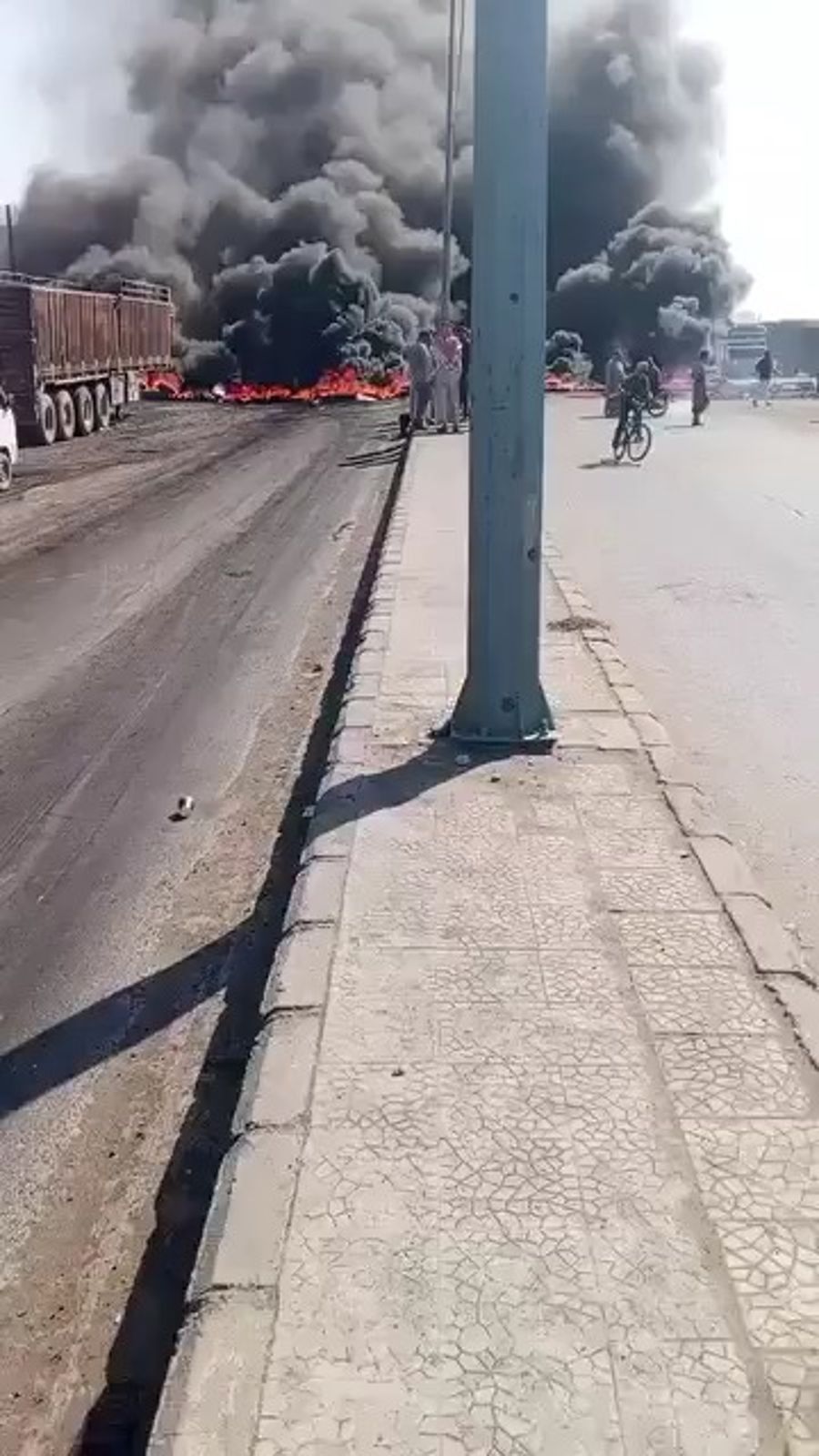
Demonstrators took to the streets in multiple provinces, blocking major traffic arteries and setting tires ablaze. Key highways connecting Damascus to Aleppo were shut down, and in several locations, protesters halted the movement of trucks and fuel tankers.

Footage circulating from recent days showed thick smoke rising above roadways and demonstrators attempting to stop tankers transporting oil to refineries.

Syria erupts: Wave of violent protests against the new government
Syria erupts: Wave of violent protests against the new government (Photo: Arab networks)

The unrest is not confined to a single city. Reports indicate the anger has spread to regions across northern and eastern Syria, including Aleppo, Raqqa, al-Hasakah, and Deir ez-Zor, as well as other areas throughout the country. In some locations, protesters have called for the dismissal of the energy minister and made demands of other senior government officials.

For Syrians, diesel is far more than just another commodity that has become more expensive. It is essential for transportation, agriculture, freight, and operating generators in areas where electricity supply remains limited and unreliable. This means that any spike in fuel prices rapidly cascades into higher costs for transportation, food, and basic goods.

Syria erupts: Wave of violent protests against the new government
Syria erupts: Wave of violent protests against the new government (Photo: Arab networks)

The economic situation makes the price increases particularly explosive. According to UN Development Programme data, approximately 90% of Syria's population lives below the poverty line, compared to only about one-third before the civil war erupted. Meanwhile, fuel prices in the country have surged at a sharp pace in recent months: according to Reuters, the price of high-octane gasoline has risen 86% since February, while diesel prices have more than doubled.

Al-Sharaa is attempting to establish a new government in a country emerging from prolonged war, rebuild the economy, and attract investment, but the streets are reminding him that promises of reconstruction ring hollow when ordinary citizens feel the economic situation is only deteriorating.

Ready for more?

Join our newsletter to receive updates on new articles and exclusive content.

We respect your privacy and will never share your information.

Enjoyed this article?

Yes
No
Follow Us:

Unmissable content


Loading comments...

Also of Interest