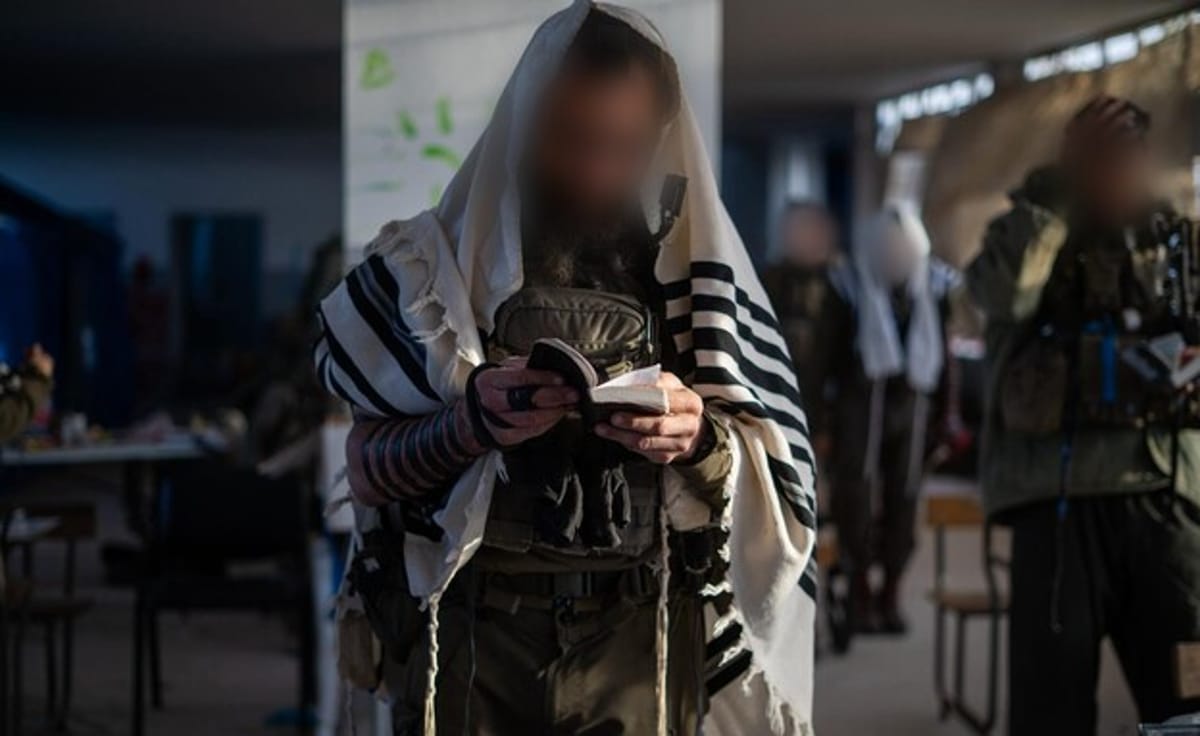
A severe internal crisis has erupted within the defense establishment following the passage of highly controversial legislation in parliament. High-ranking military officials have publicly condemned the newly approved Draft Deserter Immunity Law, describing the measure as a profound ethical failure. The legislation, which shields ultra-Orthodox draft evaders from criminal prosecution and detention, has prompted warning calls from commanders who fear the long-term impact on operational troop levels.
The legislative change has triggered immediate administrative consequences within the military justice system. Dozens of ultra-Orthodox deserters currently serving sentences in military prisons are expected to be released immediately. Defense personnel are currently reviewing the specific release criteria, even as they warn that emptying the cells removes the primary leverage used to bring ultra-Orthodox youth to enlistment centers.
The military leadership has voiced unprecedented ethical objections to the political directive. Senior officers argue that the law creates two classes of citizens, actively penalizing those who shoulder the physical burden of national defense. In closed-door discussions, a senior military official remarked, "This is severe discrimination between blood and blood, in a law that is neither ethical nor moral."
The operational implications of the new statute are expected to place an even heavier burden on the nation's active-duty and reservist units. Military planners emphasize that the current security climate requires longer service terms, arguing that extending mandatory draft periods to thirty-two months is insufficient. Commanders insist that a full thirty-six-month term is required to generate advanced technological and combat units while avoiding catastrophic strain on the domestic economy and reserve units.
The Chief of Staff took the unusual step of sending an urgent, direct letter to the Prime Minister, the Minister of Defense, and the Chairman of the Foreign Affairs and Defense Committee to halt the bill. The top general warned that the exemption would fracture military cohesion. He wrote, "Such a move will create a deep rift with the serving enlistees, who have borne the burden of fighting for two and a half years, and will increase inequality."
The political passage of the bill was further clouded by serious allegations of personal conflicts of interest among voting lawmakers. The Knesset legal advisor issued an official warning requiring members of parliament to declare if their immediate relatives would personally benefit from the freeze on military desertion arrests. The ethical warning was particularly relevant to senior political figures, including minister Aryeh Deri, who reportedly has three grandchildren currently classified as active military deserters.