American pressure appears to be playing an increasingly influential role in Israel’s military decision-making, particularly in Gaza.
According to Israeli military officials, the recent reduction in IDF activity in the enclave followed instructions from the political leadership. After an extended pause, the Israeli Air Force carried out a limited strike against two terrorists in central Gaza, but broader operations have remained restrained.
When questioned about the change, military officials described it as a decision made at the political level.
The development has intensified debate in Israel over the extent to which Prime Minister Benjamin Netanyahu’s government still controls its own regional military policy.
Critics argue that the United States has gradually imposed restrictions on Israeli operations in several arenas. These reportedly include limits on strikes in parts of Lebanon, American involvement in coordinating operations in Gaza and pressure surrounding Israeli action against Iran.
The broader concern is that Israel’s dependence on Washington is no longer limited to diplomatic support or weapons supplies. It is increasingly affecting when, where and how the IDF is permitted to use force.
This dynamic has been particularly visible in discussions surrounding the next stage of any Gaza agreement. Major decisions about security arrangements, military deployments and the future of the territory are widely viewed as being shaped in Washington rather than Jerusalem.
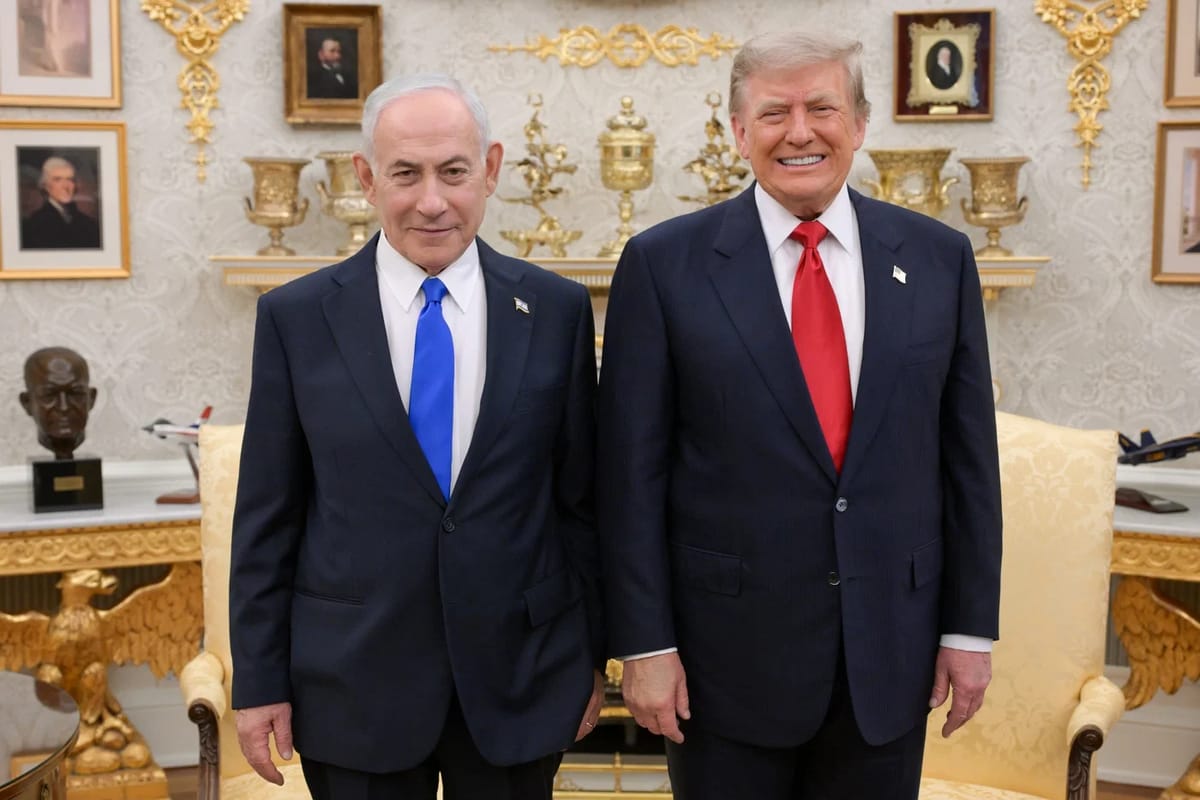
For Netanyahu’s critics, the relationship with US President Donald Trump has therefore become deeply unequal. Trump sets the strategic boundaries, while the Israeli government is left to operate within them.
The consequences could be significant. Israel may ultimately be required to surrender positions and military achievements gained during nearly three years of fighting, despite the heavy price paid by Israeli soldiers.
There are also fears that Hamas could retain substantial armed capabilities close to Israeli border communities, including rifles, anti-tank weapons and organized fighting forces.
At the same time, the IDF continues to confront efforts by terrorist groups in the West Bank to develop capabilities resembling those built by Hamas before the October 7 attack.
Israeli paratroopers, Duvdevan commandos and Yahalom combat engineers recently located and destroyed ten workshops used to manufacture weapons and explosives in the Qabatiya area.
Elsewhere, Israeli forces arrested a Palestinian Islamic Jihad operative in the Nablus Casbah. The suspect was also reportedly connected to the Lions’ Den terrorist network.
The central warning is that Israel’s adversaries are closely watching the growing constraints on its freedom of action.
Any perception that Jerusalem can no longer act independently may shape how Iran, Hezbollah, Hamas and armed groups in the West Bank prepare for the next confrontation.