Get our mobile app
Download on the App StoreGet it on Google Play

Shift in Middle East Policy

Trump: Saudis Must Pay for Houthi Fight

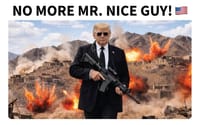
Following severe Houthi missile attacks on Saudi oil facilities and Red Sea shipping, President Trump has authorized Riyadh to strike back, but made it clear that the U.S. will not deploy troops or lead the campaign

Saudi defense
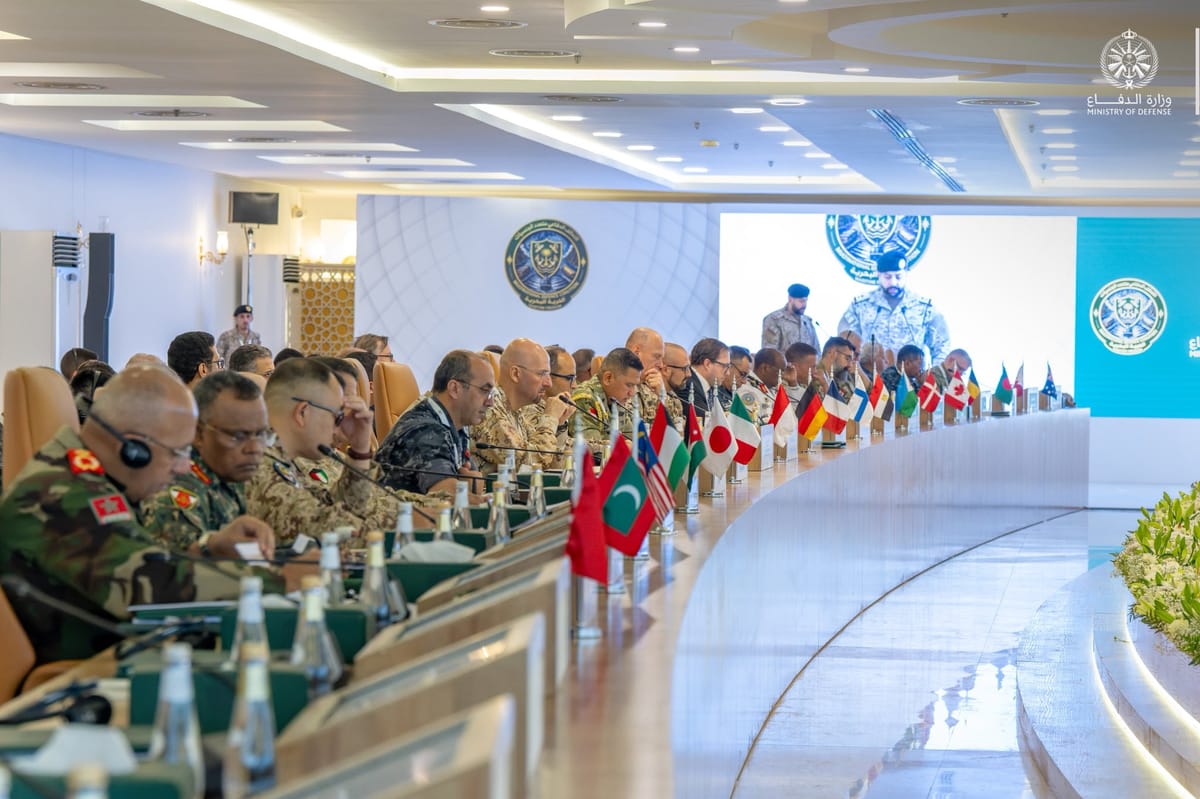
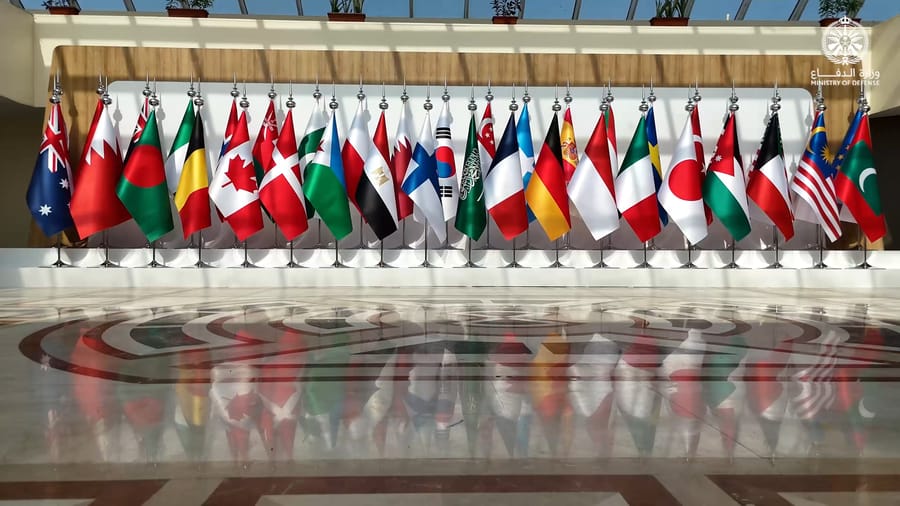
The Multinational Naval Defense Pact Convened in Jeddah
The Multinational Naval Defense Pact Convened in Jeddah (Photo: Saudi Defense)

In July 2026, the Iran-backed Houthi movement in Yemen resumed direct strikes against Saudi targets, including facilities operated by state oil giant Aramco and shipping lanes through the Bab el-Mandeb strait. Facing threats to the kingdom's territorial integrity and economic lifeline, Crown Prince Mohammed bin Salman appealed to Washington for decisive American backing. President Donald Trump's response came swiftly, but with strict conditions rooted in his "America First" doctrine.

According to reports from Axios and U.S. officials, Trump authorized Riyadh to take military action against the Houthis, leading to focused Saudi airstrikes on the Yemeni port city of Hodeidah and the capital Sanaa, as well as the formation of a Saudi-led maritime coalition. Yet Trump emphasized repeatedly that the United States would neither lead the campaign nor deploy American soldiers into what he called "the Yemeni quagmire." The message was unambiguous: Saudi Arabia would bear the costs in blood and treasure alone.
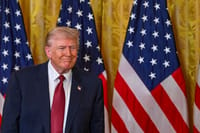
Four factors shaped the American decision. First, without direct attacks on U.S. assets or warships, Washington sees no political justification for leading a military campaign. The responsibility, officials say, belongs to Saudi Arabia. Second, memories remain fresh of the devastating humanitarian crisis caused by Saudi Arabia's military intervention in Yemen between 2015 and 2022. Trump has refused to drag America back into that morass. Third, diverting aircraft carriers and precision munitions to Yemen would weaken deterrence against the more immediate nuclear and military threat posed by Iran, a higher strategic priority for the administration.

The fourth consideration is economic: wealthy allies must shoulder their own defense burdens. The U.S. will sell weapons and provide intelligence, but will not fight in their place. This principle lies at the heart of Trump's "America First" approach to foreign policy.

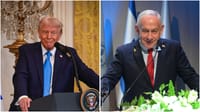
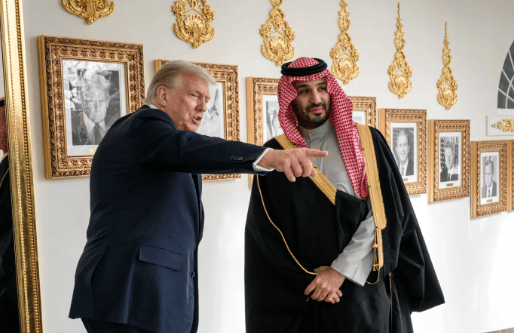
Trump; Bin Salman
Trump; Bin Salman (Photo: The White House)

For Riyadh, the dilemma is familiar: how to counter the Houthi threat without becoming mired in another protracted and costly war. Washington's message has clarified the new boundaries: the era of free American defense is over, and Saudi Arabia must prove it can protect itself. In recent months, the kingdom has purchased armed C-27J Spartan aircraft from Italy, signaling serious intent to build independent military capacity.

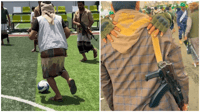
The Houthis, meanwhile, continue to present themselves as a significant regional threat. Videos circulated on social media show stringent security checks at events under their control, with guards searching for explosive belts and devices — yet openly permitting rifles and daggers in accordance with Yemeni tribal tradition.

The new reality in the Persian Gulf is clear: the United States will continue supplying tools and intelligence, but the fighting itself will fall to regional allies. For Saudi Arabia, this represents a crucial test of its military and strategic capabilities — and this time, it will face that test alone.

Ready for more?

Join our newsletter to receive updates on new articles and exclusive content.

We respect your privacy and will never share your information.

Enjoyed this article?

Yes (3)
No (0)
Follow Us:

Unmissable content


Loading comments...

Also of Interest