The Regime Change Debate

Trump Weighs Full War to Topple Iran Regime

President Trump and senior advisers debate expanding strikes to regime-change level • Kurdish militia option resurfaces after diplomatic failures | White House sources confirm dramatic shift (World News)

President Trump

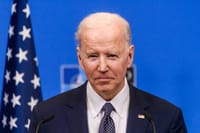
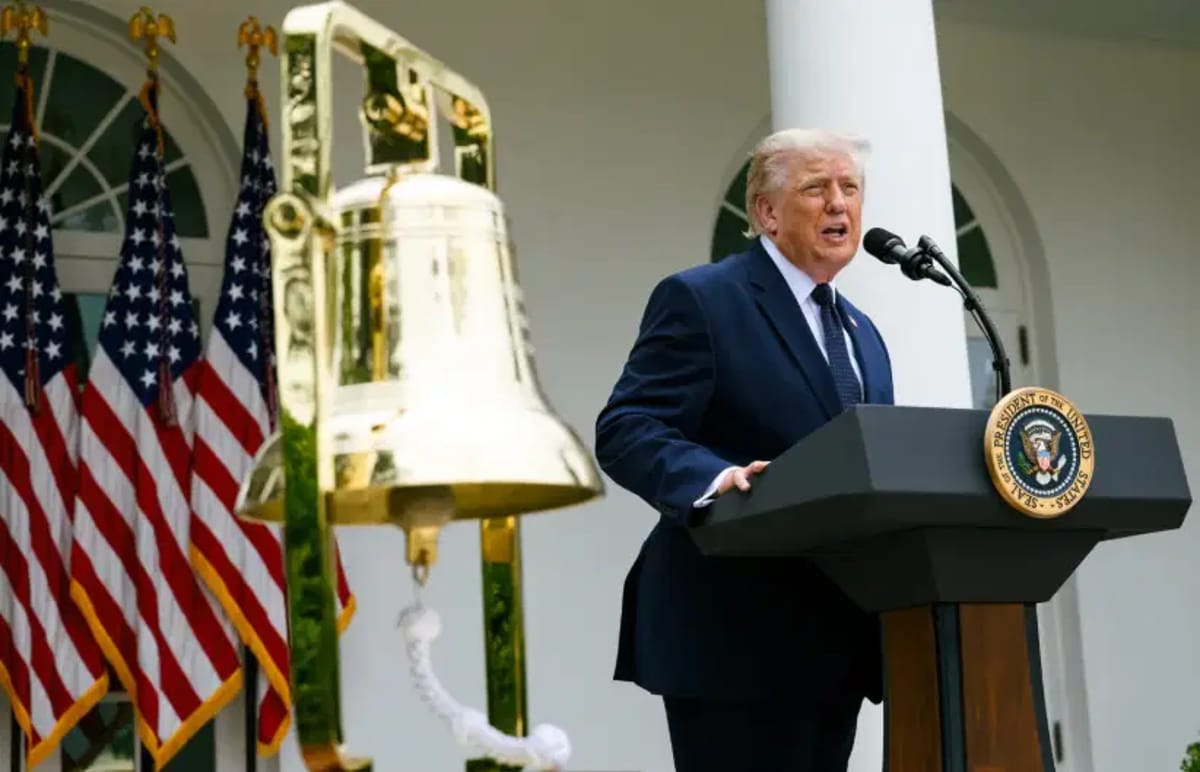
President Donald Trump is weighing a dramatic expansion of the military campaign against Iran that could include full-scale war aimed at toppling the regime in Tehran, according to reports emerging from senior administration sources cited by Fox News and the Financial Times.

The option of regime change has returned to active consideration within parts of the Trump administration after diplomatic efforts to secure a negotiated settlement with Iran failed to produce results, sources familiar with the deliberations confirmed. The shift marks a significant escalation in White House thinking as the tit-for-tat conflict between Washington and Tehran continues to intensify without resolution.

According to the Financial Times, officials within the Trump administration are once again discussing "Plan A" — the overthrow of Iran's ruling government — as part of their search for alternative solutions to the protracted crisis. The renewed focus on regime change comes as intelligence assessments briefed to the administration conclude that current strike patterns are unlikely to force Tehran into concessions, leaving Washington stuck in what analysts describe as an indefinite stalemate between war and peace.

CENTCOM enforces naval blockade against Iran

As part of the reassessment, the administration is examining ways to encourage internal uprising within Iran itself. The Financial Times noted that Washington is exploring methods to foment domestic resistance against the clerical regime, a strategy that would require significant covert support and coordination with opposition groups inside the country.

One proposal now receiving fresh attention involves an earlier Israeli suggestion to arm Kurdish militias opposed to Tehran's rule. The plan, which was previously rejected by the Trump administration, called for providing weapons and support to Kurdish groups operating in eastern Iraq and northwestern Iran. The initiative collapsed after Turkey, a NATO ally, threatened military retaliation against any effort to strengthen Kurdish forces in the region.

Israeli intelligence officials have separately warned Washington that Iran transferred thousands of uranium enrichment centrifuges into a fortified underground facility inside Pickaxe Mountain following last year's strikes, raising concerns that Tehran is quietly advancing its nuclear program despite the damage it sustained during the conflict.

Kolah Qazi National Park

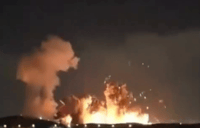
The deliberations in Washington come as the conflict continues to exact a heavy toll on both sides. American forces have conducted repeated strikes against Iranian military infrastructure, including facilities near the Strait of Hormuz, after Revolutionary Guard forces attacked commercial shipping in the strategic waterway. Iran's IRGC claimed responsibility for setting at least one vessel ablaze and has threatened to implement a "blockade for blockade" doctrine in response to reinstated American sanctions.

Meanwhile, Iran's chief negotiator with the United States, Mohammad Bagher Ghalibaf, issued a sharp warning Monday that Tehran's patience with what he called Washington's "double game" is running out. Ghalibaf accused the United States of continuing to build up military forces in the region while claiming to seek an end to hostilities, and warned that Iran has prepared itself "for battle, to whatever extent necessary."

Separately, Israeli Finance Minister Bezalel Smotrich stated Tuesday that Israel currently has no interest in joining the military campaign directly, arguing that the present arrangement, in which fighting remains contained between Washington and Tehran, serves Israeli interests. Smotrich said Israel's ultimate goal is to weaken and topple the Iranian regime, but suggested the most effective path right now runs through economic collapse rather than military intervention.

The White House has not publicly commented on the reported internal debates over regime change, and it remains unclear whether Trump will ultimately authorize a broader military campaign or continue the current strategy of limited strikes.

Ready for more?

Join our newsletter to receive updates on new articles and exclusive content.

We respect your privacy and will never share your information.

Enjoyed this article?

Yes (35)
No (1)
Follow Us:
1

Unmissable content


Loading comments...

Also of Interest