rare find

Charred Beams From First Temple's Destruction Unearthed Days Before Tisha B'Av

Archaeologists in Jerusalem's City of David have uncovered thick wooden beams burned in the fire that destroyed the First Temple in 586 BCE, preserved for 2,600 years and offering new precision in dating the catastrophe.

Charred Beams From First Temple's Destruction Unearthed Days Before Tisha B'Av

Archaeologists excavating in Jerusalem's City of David have uncovered massive wooden beams charred by the fire that consumed the First Temple, a discovery announced just days before Tisha B'Av.

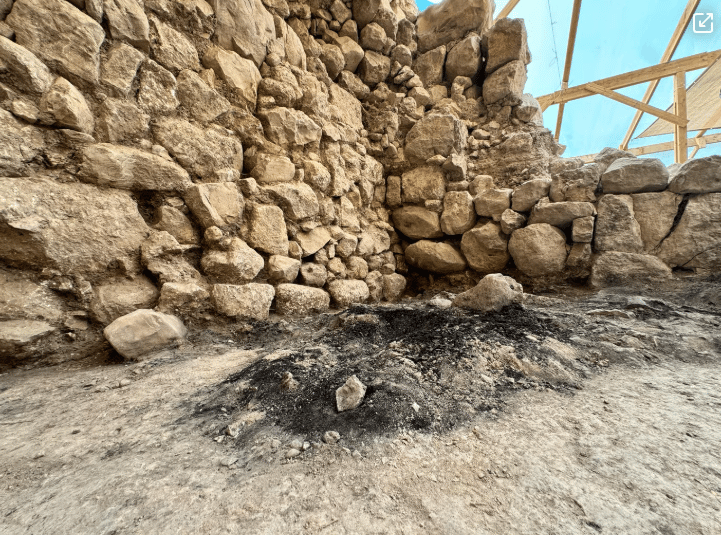
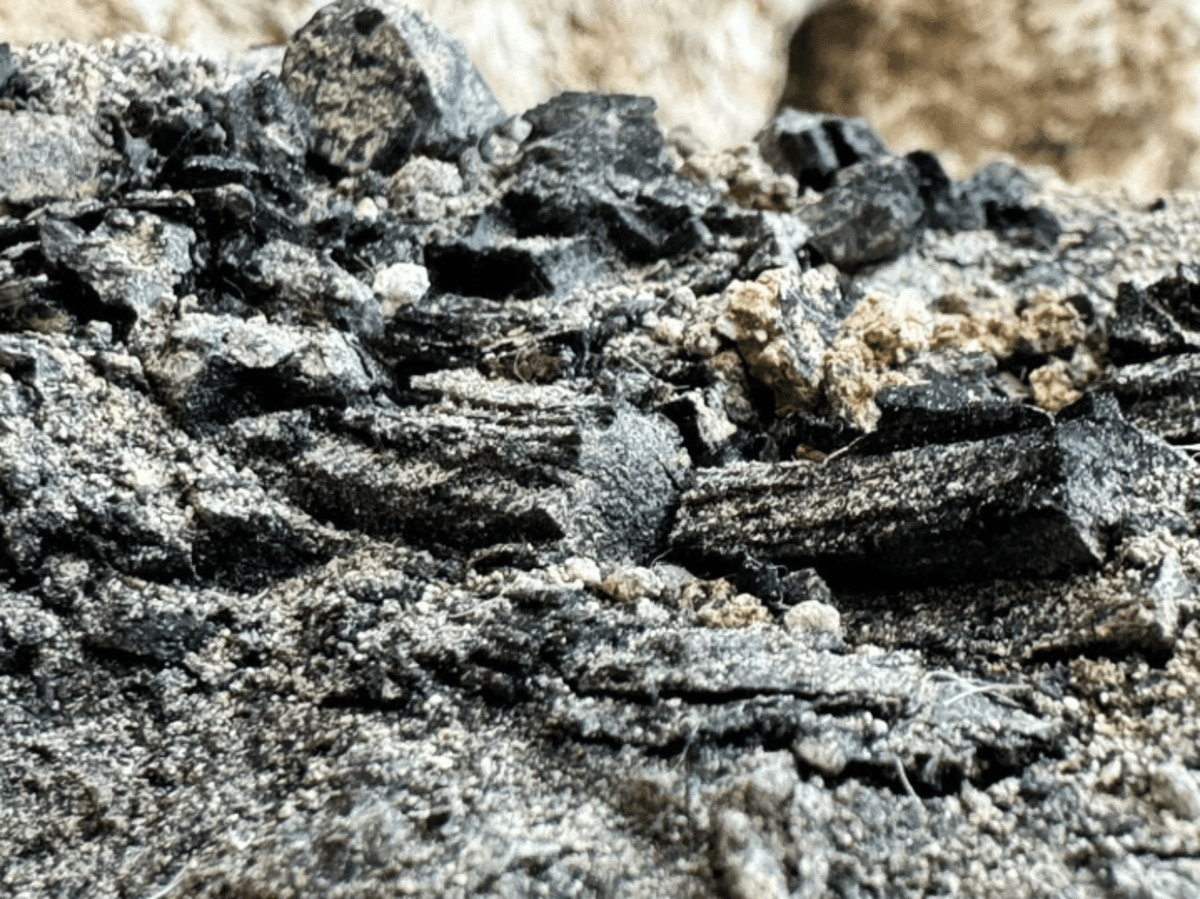
The beams were found during excavations at the Giv'ati Parking Lot dig, run jointly by the Israel Antiquities Authority and Tel Aviv University, within the Jerusalem Walls National Park. They date to the destruction of Jerusalem by the Babylonian king Nebuchadnezzar in 586 BCE, and were uncovered inside a building that collapsed during the blaze that swept through the city at the time.

According to excavation director Efrat Bocher, the beams appear to have supported the roof of an inner courtyard in a First Temple period structure, and came down onto the building's floor as the fire raged. Bocher and her team believe plaster that coated the building's walls melted in the heat of the flames and settled over the charred wood, sealing it in place and helping preserve it for roughly 2,600 years. She described the find as an unusually moving one, coming just before the fast that marks the destruction itself, saying it offers a tangible sense of the actual moment the catastrophe unfolded.

The beams are now being studied by the Israel Antiquities Authority's Dr. Johanna Regev, who noted that wood with this many growth rings is rarely found in Israel. The thickness and ring count of the City of David beams give researchers unusual potential for precise dating. Where finds from this period could previously only be dated to within a range of centuries, Regev said the beams may allow archaeologists to narrow that window down to as little as a decade.
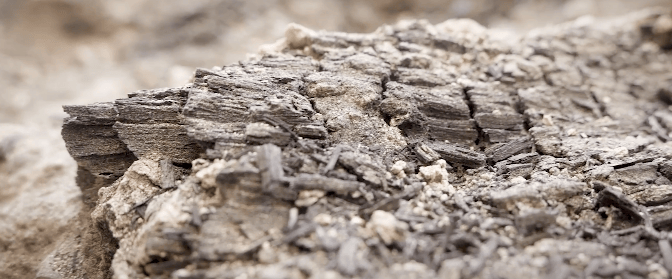
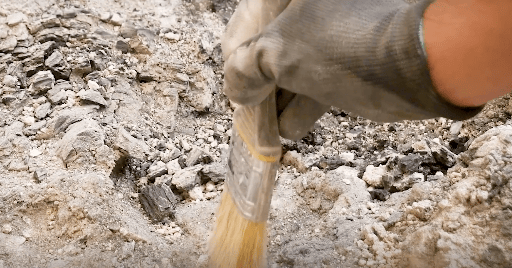
Photo: Asaf Perry
Photo: Asaf Perry
Photo: Asa
Photo: Asa
Remnants of wooden beams
Remnants of wooden beams (Photo: Reut Wilf, City of David)

Excavation directors Dr. Yiftach Shalev of the Israel Antiquities Authority and Professor Yuval Gadot of Tel Aviv University said the find underscores the scale of the destruction that swept Jerusalem, noting that the large structure was deliberately set ablaze and came down all at once. They also pointed to a detail from the period that followed the destruction, saying that during the Persian era, returning residents sealed off entry to this particular part of the ruined building while continuing to live in other sections of the same structure, a choice the excavators believe may reflect a conscious decision to preserve the memory of what had happened there.

Heritage Minister Amichai Eliyahu addressed the find as well, saying the ground of Jerusalem keeps offering physical evidence of claims some try to deny, and describing the burned beams as silent but powerful testimony to the Jewish people's presence in Jerusalem some 2,600 years ago. He added that coming on the eve of Tisha B'Av, the discovery is a reminder that the connection to Jerusalem rests not only on faith but on history, archaeology, and national memory.

Ready for more?

Join our newsletter to receive updates on new articles and exclusive content.

We respect your privacy and will never share your information.

Enjoyed this article?

Yes (30)
No (1)
Follow Us:

Unmissable content


Loading comments...

Also of Interest