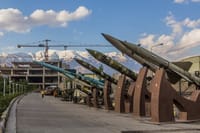
According to the American officials, the planned operation would go further than Iran's nuclear and missile programs, hitting ports and other facilities with the goal of destabilizing the regime. Bringing the regime down, they indicated, may not be among the objectives.
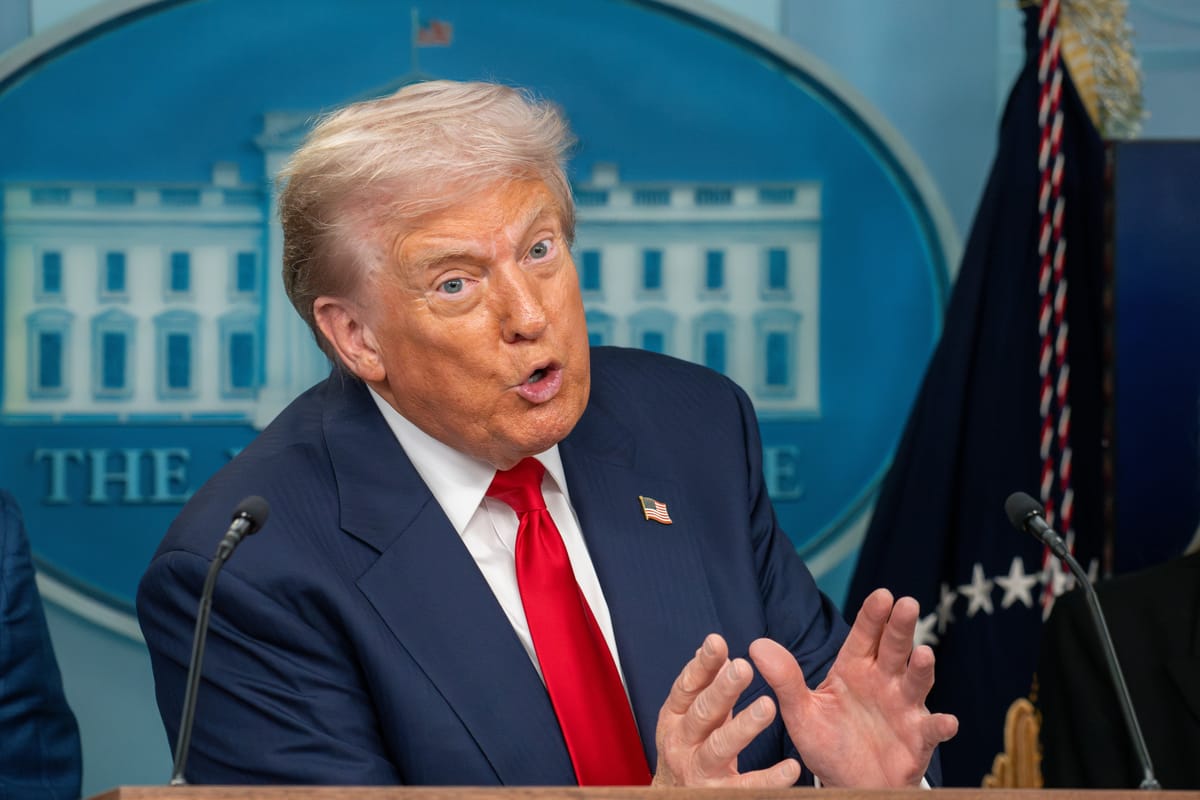
Asked whether an American attack could come as soon as Sunday, Trump replied: "Would I tell you that? The answer is no. There will not be a strike today." He did not exclude action at a later date. In a Fox News interview the same day, he laid out the choice in blunt terms: "I have a decision to make: Do I finish it off, which would be very easy to do, or do I make a deal? That's the decision."
Trump also stated that Washington is watching Iran's Pickaxe Mountain nuclear site and three other sites allegedly destroyed in earlier strikes. "There isn't much activity going on there," he said. In the same interview, Trump said the bombed sites are "covered in thousands of tons of rock".
Strike options on the table
On Saturday, The Hill reported, citing sources familiar with the planning, that US Central Command (CENTCOM), which oversees American military operations in the Middle East, has prepared several options for renewed strikes that could be carried out after the November 3 midterm elections if Trump gives the order. A second source said the options had been assembled for Secretary of War Pete Hegseth to review, and that Trump wants to keep every possibility open until he reaches a final decision.
A Pentagon official said the Defense Department's "job is to develop and present military options to the President," adding: "We don't speculate on hypothetical situations or future operations." CENTCOM did not respond to a request for comment, while the White House pointed to Trump's remarks to reporters on Friday.
On Thursday, The Atlantic reported that Trump was weighing another campaign shortly after the congressional elections. Officials familiar with those discussions said it could involve several days of strikes on Iran's nuclear facilities, its missile and drone capabilities, and its energy infrastructure.
On Friday, Tom Barrack, who serves both as Trump's special envoy for Syria and Iraq and as US ambassador to Turkey, suggested a strike could come within days. "Could there be a strike this weekend? Absolutely. The president has been clear, I'm giving you American policy, the president is very clear: he's open, and available and accessible to a deal. And we've been at the table for months and months and months," Barrack told podcaster Mario Nawfal.
Asked about those comments, Trump replied: "[Barrack] is a pretty powerful man, I guess. If that's the case, I don't know anything about it." Later on Friday, at a campaign rally in Florida, he raised the military option once more. "We may do another little Operation Epic Fury, or they will agree. If they're smart, they will just say, 'Let's get down to business.' But I doubt they will do that because perhaps they're not smart," he said.
The reports follow an unannounced visit to Israel by Hegseth, who met Netanyahu on Monday without disclosing what they discussed. Speaking in Wisconsin on Tuesday, Hegseth praised the IDF: "We've worked with the Israeli military quite a bit. That's nothing new. We have for a long time. They have great capabilities, and we appreciate their contributions to assuring Iran never gets a nuclear weapon." He called Israel "good partners."
Separately, on Sunday night it emerged that Netanyahu and IDF Chief of Staff Eyal Zamir had clashed over a proposed action against Iran that the military fears could trigger rapid escalation. Zamir demanded a full cabinet discussion and signed legal backing before any operation goes ahead.