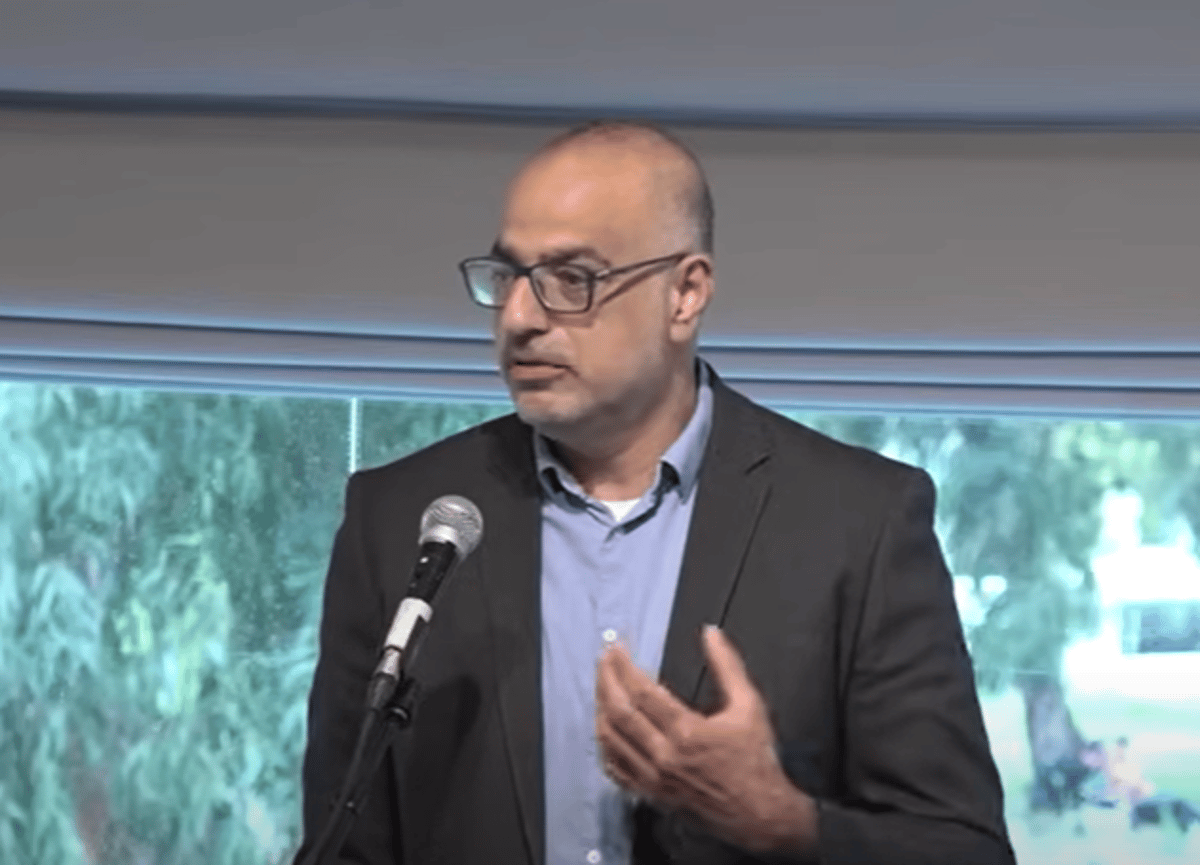
Whatever else can be said of Benjamin Netanyahu, Professor Moshe Cohen-Eliya argues, no one can say he has stopped fighting.
Writing on social media after the prime minister’s appearance on The Patriots in the final stretch before the Knesset elections, the legal scholar painted a portrait of a man who refuses to slow down. “There’s one thing you can’t take away from Netanyahu, and that’s his willingness to fight to the end,” he wrote. Nearing his ninth decade, Netanyahu still hurries from studio to studio, pressing his message and chasing every vote. He is a tactician, Cohen-Eliya observed, and he never gives up.
That stubbornness, in his telling, is precisely what Netanyahu’s adversaries failed to anticipate. He laid the blame at the feet of former State Attorney Shai Nitzan, backed by former Supreme Court President Aharon Barak and the rest of what he calls the “juristocracy.” They believed an indictment would push Netanyahu out of office. And who, after all, could withstand the din of what Cohen-Eliya calls the hegemonic media: Abramovich, Drucker, Peleg and the like, who drank his blood day after day and aired leaked protocols in violation of the law, all in the hope that he would go? “But Netanyahu didn’t go,” he wrote. “He stayed to fight.”
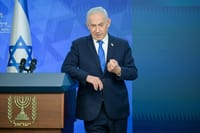
On the program, Cohen-Eliya wrote, Netanyahu came to make the case for security, and rightly so. At one point the prime minister rose and turned unexpectedly to the camera, addressing the public directly. His message, as Cohen-Eliya described it: with the next expected move against Iran approaching, Israelis can rest easier with Netanyahu at the wheel rather than Eisenkot.
On the trial, Cohen-Eliya saw a man torn between vindication and urgency. Netanyahu wants those who stitched together the cases against him, from Shai Nitzan to Avichai Mandelblit, to stand trial themselves. Yet he no longer has the appetite or the energy to see his own trial through, Cohen-Eliya wrote, even though each day of testimony serves the vital purpose of exposing the truth. He wants it closed now, so he can turn to the critical challenges facing the country.
The exchange that mattered most came at the end. Cohen-Eliya raised the fight against the juristocracy, noting that efforts to rebalance power between the branches of government had so far largely failed. If you win, he asked Netanyahu, what will you do differently?
For the first time in many years, Cohen-Eliya wrote, Netanyahu answered like a man at war with the deep state, without hesitating and without blinking: “We will eliminate the judicial dictatorship.”
“And better one hour earlier,” Cohen-Eliya added.