Get our mobile app
Download on the App StoreGet it on Google Play

Strait of Hormuz Clash

U.S. Destroys Iranian Boats in Strait

Revolutionary Guards tried to capture an American unmanned surface vessel patrolling the Strait of Hormuz; two missiles fired from U.S. drone destroyed the boats and killed most personnel aboard

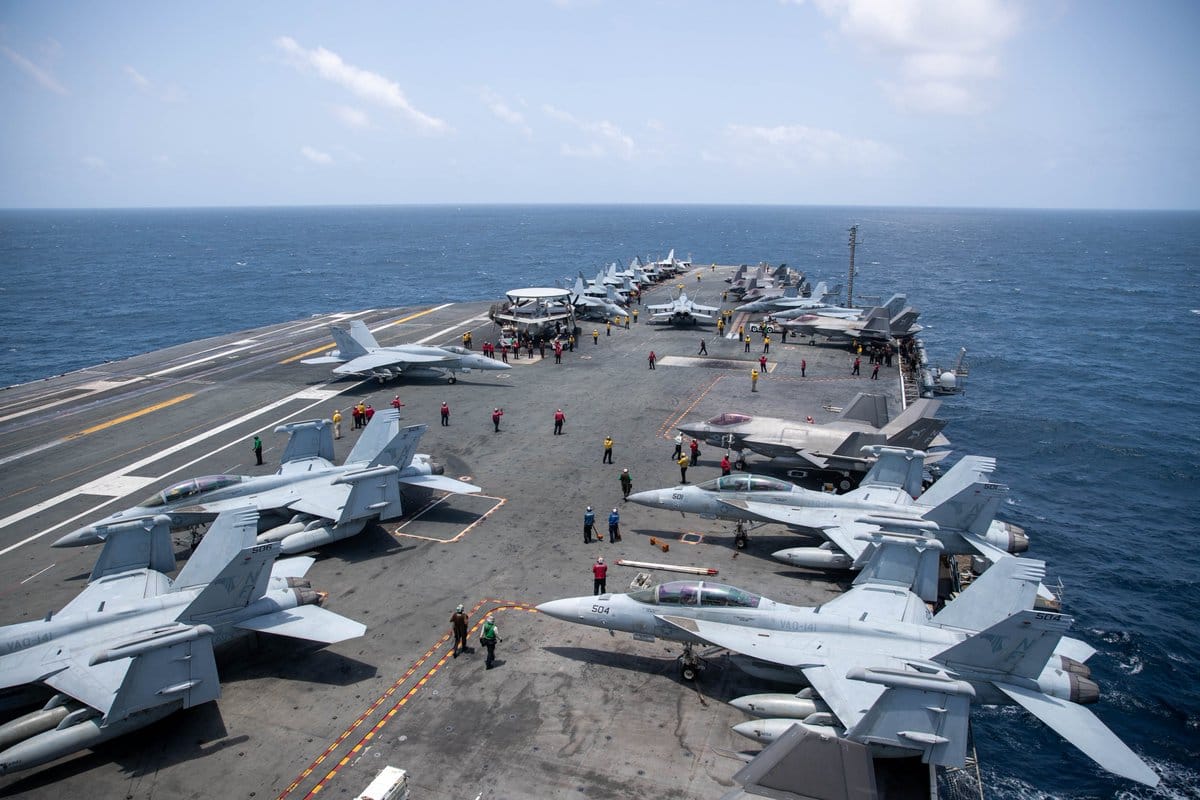
Aircraft carrier in the Gulf off Iran

The United States military destroyed two small boats belonging to Iran's Revolutionary Guards in the Strait of Hormuz after Iranian forces attempted to seize an American unmanned surface vessel conducting patrols in the area, according to Israeli reporter Barak Ravid reporting for Channel 12 News and Axios.

The incident unfolded against the backdrop of ongoing American efforts to restore and protect normal shipping and commercial traffic through the strategic waterway.

According to reports, the Revolutionary Guards deployed the naval craft in an attempt to capture the unmanned vessel. Immediately upon detecting the seizure attempt, two missiles were launched from an American drone at the boats, resulting in their complete destruction and the deaths of most personnel aboard at the time of the strike.
Captain Tim Hawkins, spokesman for U.S. Central Command, addressed the incident, stating: "Small Iranian boats recently attempted to seize a U.S. unmanned surface vessel, but they failed after Central Command responded forcefully." Hawkins added that "the unmanned surface vessel remained under U.S. operational control."

Meanwhile, Iranian media presented the event differently, describing an attack against fishing boats. Ahmad Nafisi, deputy governor of Hormozgan Province for security affairs, accused the American military of the strike and claimed that several fishermen are listed as missing while search and rescue operations continue.

The operational incident occurred as the United States expands security for commercial maritime traffic in the Strait of Hormuz. Official sources noted that forces have begun conducting tanker transits during daylight hours as well, not only at night as has been customary in recent months, while oil flow volumes remain below pre-war levels.

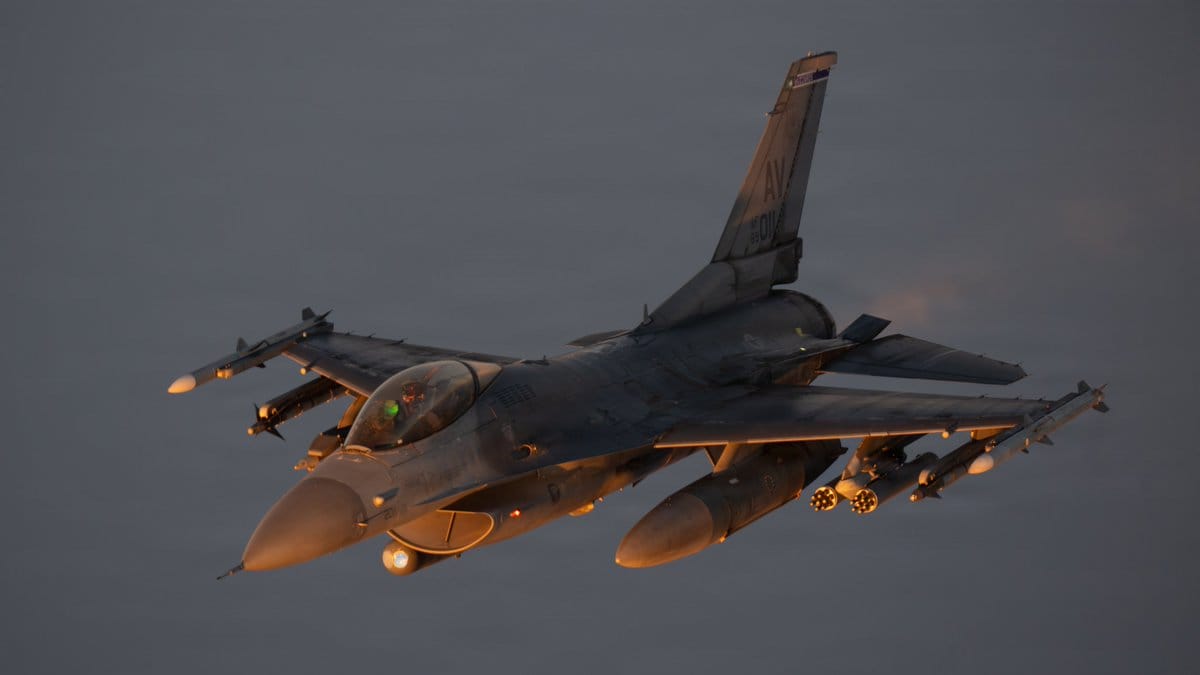
U.S. Air Force F-16CJ fighter jet
U.S. Air Force F-16CJ fighter jet (Photo: U.S. Central Command)
Ready for more?

Join our newsletter to receive updates on new articles and exclusive content.

We respect your privacy and will never share your information.

Enjoyed this article?

Yes
No
Follow Us:

Unmissable content


Loading comments...

Also of Interest