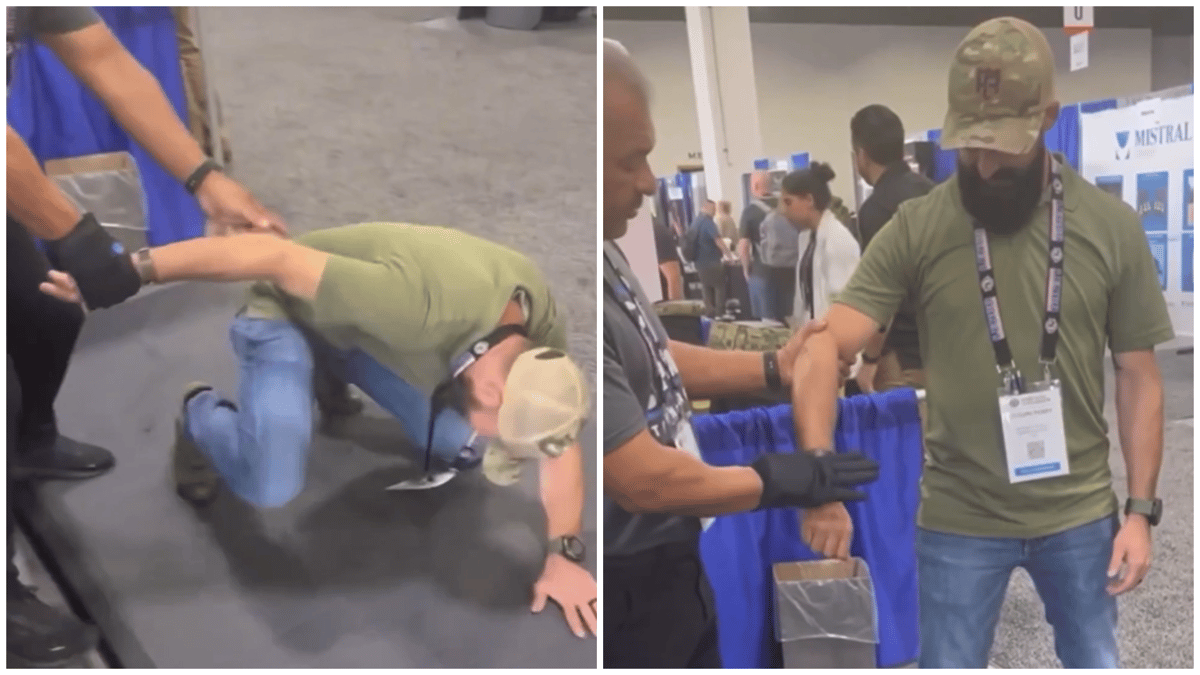
The controversy intensified after U.S. Immigration and Customs Enforcement (ICE) signed a contract with the manufacturer for 6,000 pairs of gloves valued at $16.7 million. Earlier reports had indicated a potential procurement framework of up to $20 million.
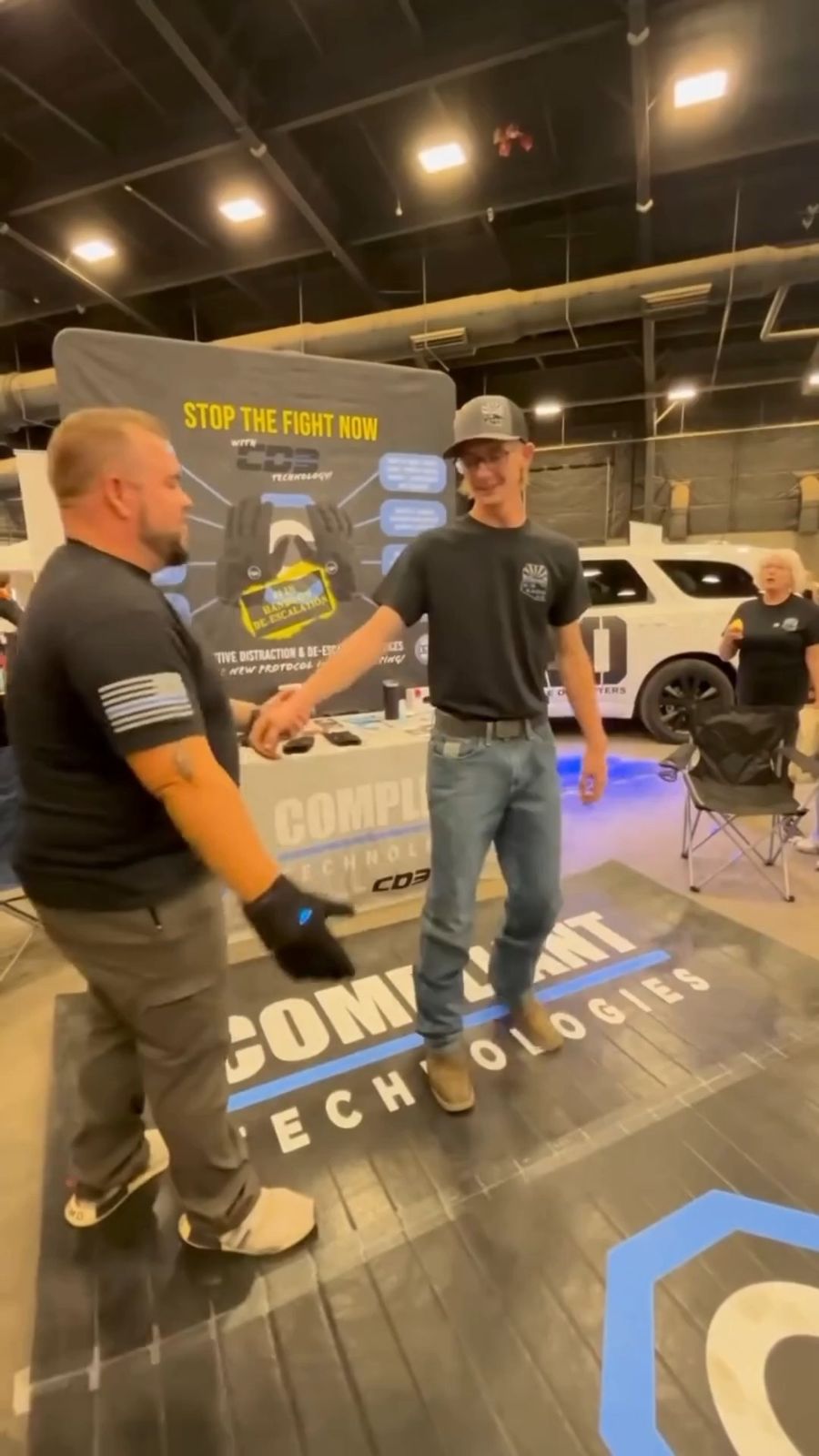
The glove is not like standard tasers: Instead of firing electrodes from a distance, it delivers current through direct physical contact. According to reports, the CTG-5 model can transmit electrical pulses of approximately 380 volts, though the manufacturer claims it is less powerful than traditional tasers.
Supporters argue the device's design allows agents to quickly respond to violent or resistant individuals while reducing reliance on other force options. The gloves are reportedly already in use at some U.S. correctional facilities and police departments.
Civil rights organizations and Democratic legislators counter that the glove remains attached to the agent's hand and can be activated at point-blank range. They are demanding answers regarding training protocols, oversight mechanisms, medical safety considerations, and the circumstances under which use is authorized.
The political backdrop adds volatility to the issue. California and the federal government remain locked in ongoing disputes over immigration enforcement activities within the state, and the electric glove has rapidly become another battleground.
The Department of Homeland Security has rejected California's intervention, asserting that the state lacks constitutional authority to dictate what equipment federal agents may use in executing their duties. Legal experts have warned that if Governor Newsom signs the legislation, it may face federal legal challenge.